
Acai Sensory Map
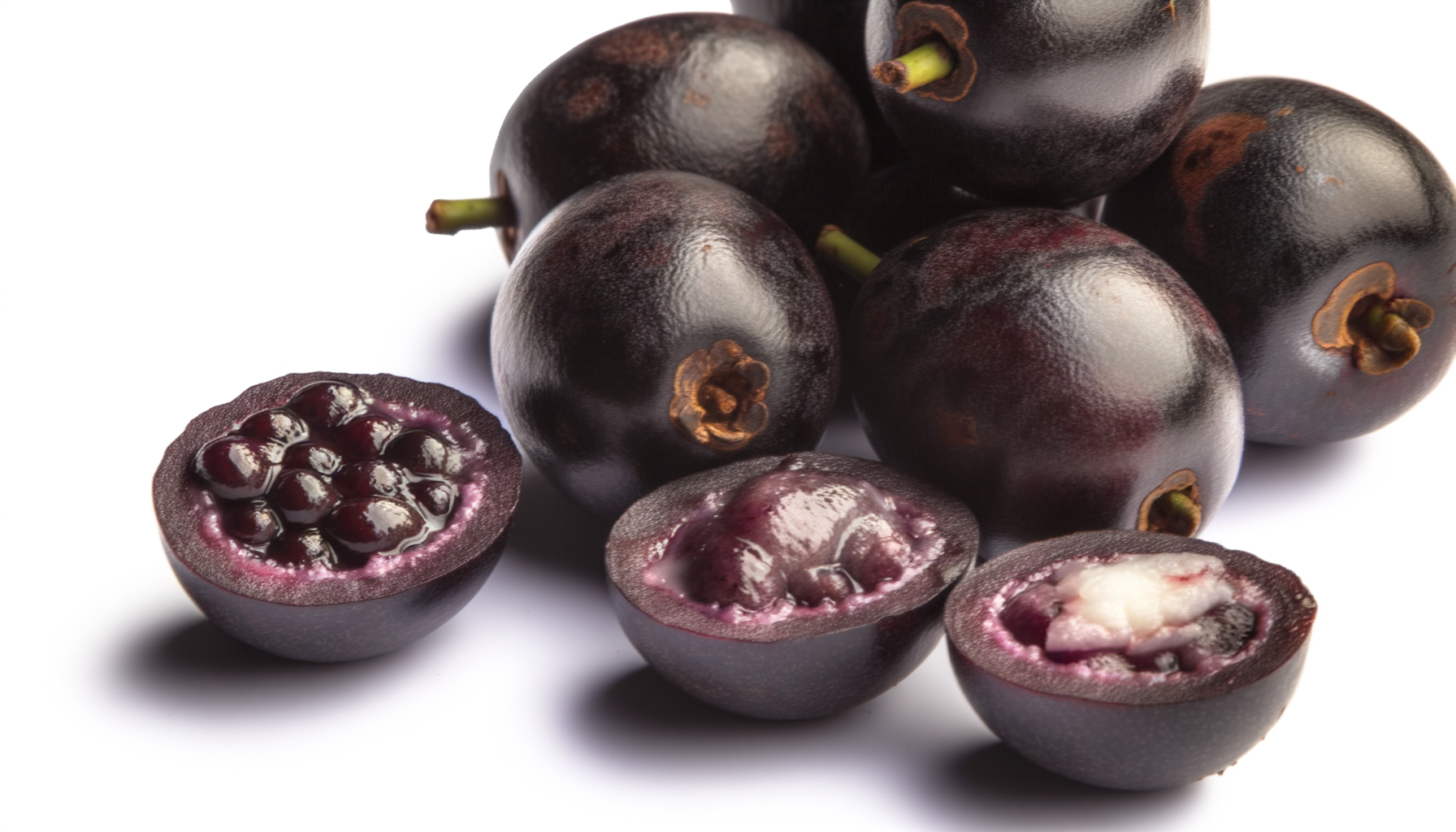
Acai
Euterpe oleracea
Sensory Profile
Tastes
Basic flavor profiles
Aromas
Scent characteristics
Stimuli
Sensory sensations
Textures
Physical properties
About Acai
Acai berries possess a unique flavor that is often described as a blend of earthy, berry-like sweetness with subtle notes of chocolate and a hint of tartness. Their rich, deep purple color is indicative of their high antioxidant content, particularly anthocyanins, which contribute to both their health benefits and their distinctive taste. Acai is primarily used in the form of frozen puree, powder, or juice. It is a popular ingredient in smoothies, smoothie bowls, and health-focused desserts due to its creamy texture and vibrant color. Acai can also be incorporated into energy bars, yogurt, and various beverages, making it a versatile addition to both sweet and savory dishes. Its flavor pairs well with tropical fruits, nuts, and granola, enhancing the nutritional profile of meals. Acai palm trees are native to the Amazon rainforest, particularly in Brazil, where they thrive in floodplains and swampy areas. The berries have been a staple in the diet of indigenous tribes for centuries, valued for their nutritional properties and energy-boosting effects. In recent years, acai has gained global popularity as a superfood, leading to its cultivation beyond its native habitat. Acai berries are small, round, and dark purple, with a large seed that makes up a significant portion of the fruit. They are highly perishable, which is
Associated health effects(25)
- Blood Pressure Support
- Micronutrient Support
- Exercise Recovery Support
- Cardiovascular Protection
- Antioxidant
- Allergic Reactions
- Cancer-Preventive
- Antifungal
- Blood Sugar Support
- Immune Booster
- Polyphenol-Mediated Antioxidant Activity
- Organ Protection
- Vasodilation
- Muscle Recovery Support
- LDL Oxidation Reduction
- No Evidence of Toxicity, Heavy Metals, or Contaminants
- Polysaccharide Immune Modulation
- Interaction with Medications
- Cholesterol Management
- LDL Cholesterol Reduction
- Antibacterial
- Neuroprotection
- Heart Health
- Anti-inflammatory
- Muscle Recovery Enhancement
Nutrition per 100 g(4)
- Energy: 232 kcal
- Protein: 2 g
- Fat: 4 g
- Fiber: 27 g