
Ajwan Sensory Map
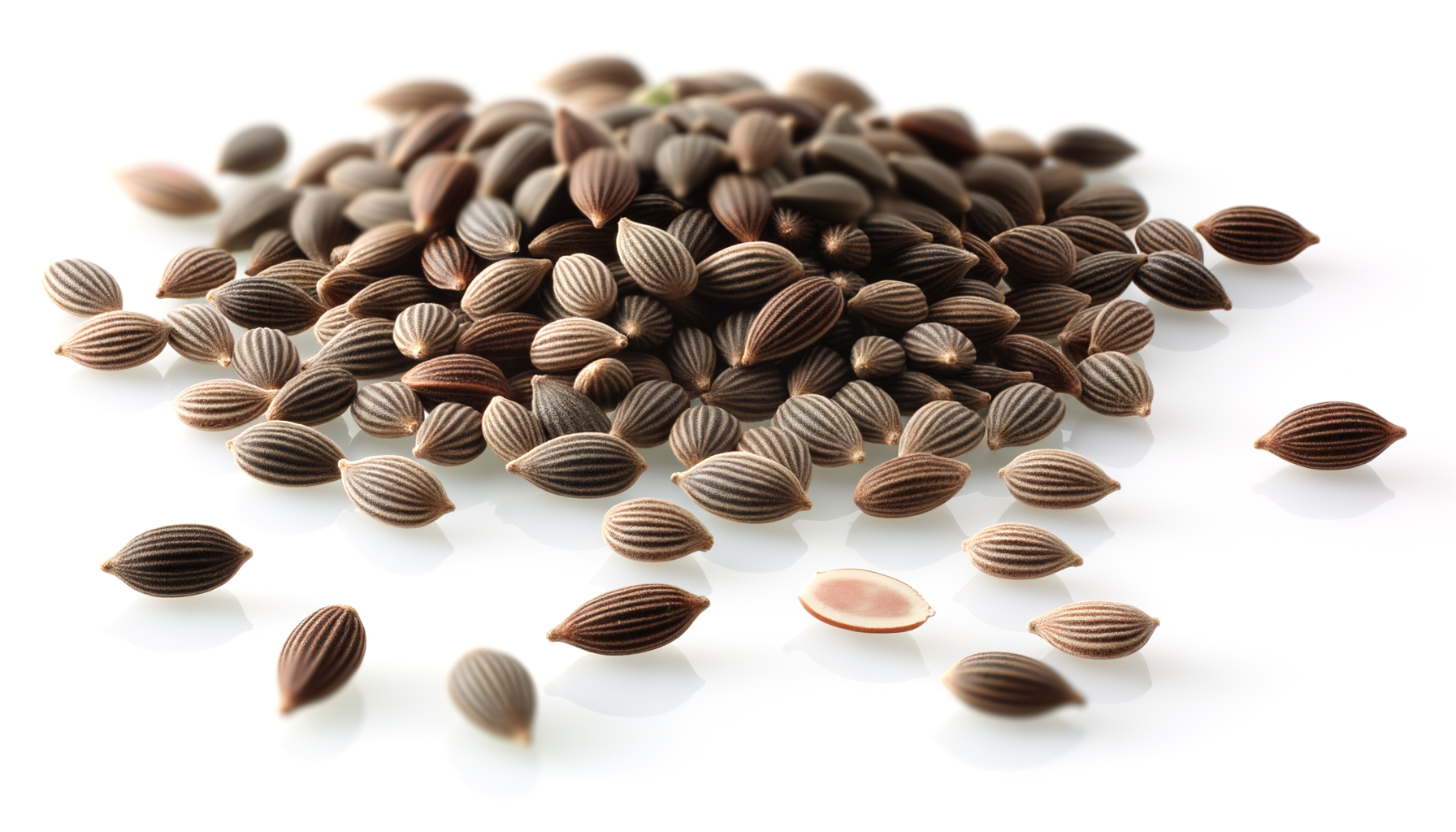
Ajwan
Trachyspermum ammi
Sensory Profile
Tastes
Basic flavor profiles
Aromas
Scent characteristics
Stimuli
Sensory sensations
Textures
Physical properties
About Ajwan
Ajwan, commonly known as carom seeds, boasts a robust, pungent flavor reminiscent of thyme and anise, with a slightly bitter undertone. Its aromatic profile is characterized by warm, earthy notes that can enhance the depth of various dishes. Ajwan is a staple in Indian, Middle Eastern, and North African cuisines. It is often used in spice blends, such as garam masala, and is integral to dishes like lentil soups, vegetable curries, and bread, particularly in the preparation of parathas and naan. The seeds can be used whole or ground, and they are typically toasted to release their essential oils, intensifying their flavor. Ajwan is also known for its digestive properties, making it a common ingredient in digestive aids and herbal teas. Native to the Indian subcontinent and the Mediterranean region, Ajwan has been cultivated for centuries. It thrives in arid climates and is primarily grown in India, Pakistan, and Iran. Its historical use dates back to ancient times, where it was valued not only for its culinary applications but also for its medicinal properties. Ajwan seeds are small, oval-shaped, and dark brown to grayish in color, featuring ridges along their surface. They are often confused with cumin seeds due to their similar appearance, but Ajwan's distinctive aroma sets it apart.
Associated health effects(17)
- Expectorant
- Appetite Stimulant
- Antioxidant
- Allergic Reactions
- Gastric Juice Secretion Stimulation
- Antifungal
- Pain Relief
- Flavor and Culinary Use
- Gastric Irritation
- Digestive Distress
- Cholesterol Management
- Antibacterial
- Bronchodilation
- Digestive Aid
- Respiratory Support
- Anti-inflammatory
- Carminative
Nutrition per 100 g(4)
- Energy: 486 kcal
- Protein: 18 g
- Fat: 15 g
- Fiber: 38 g