
Allspice Sensory Map
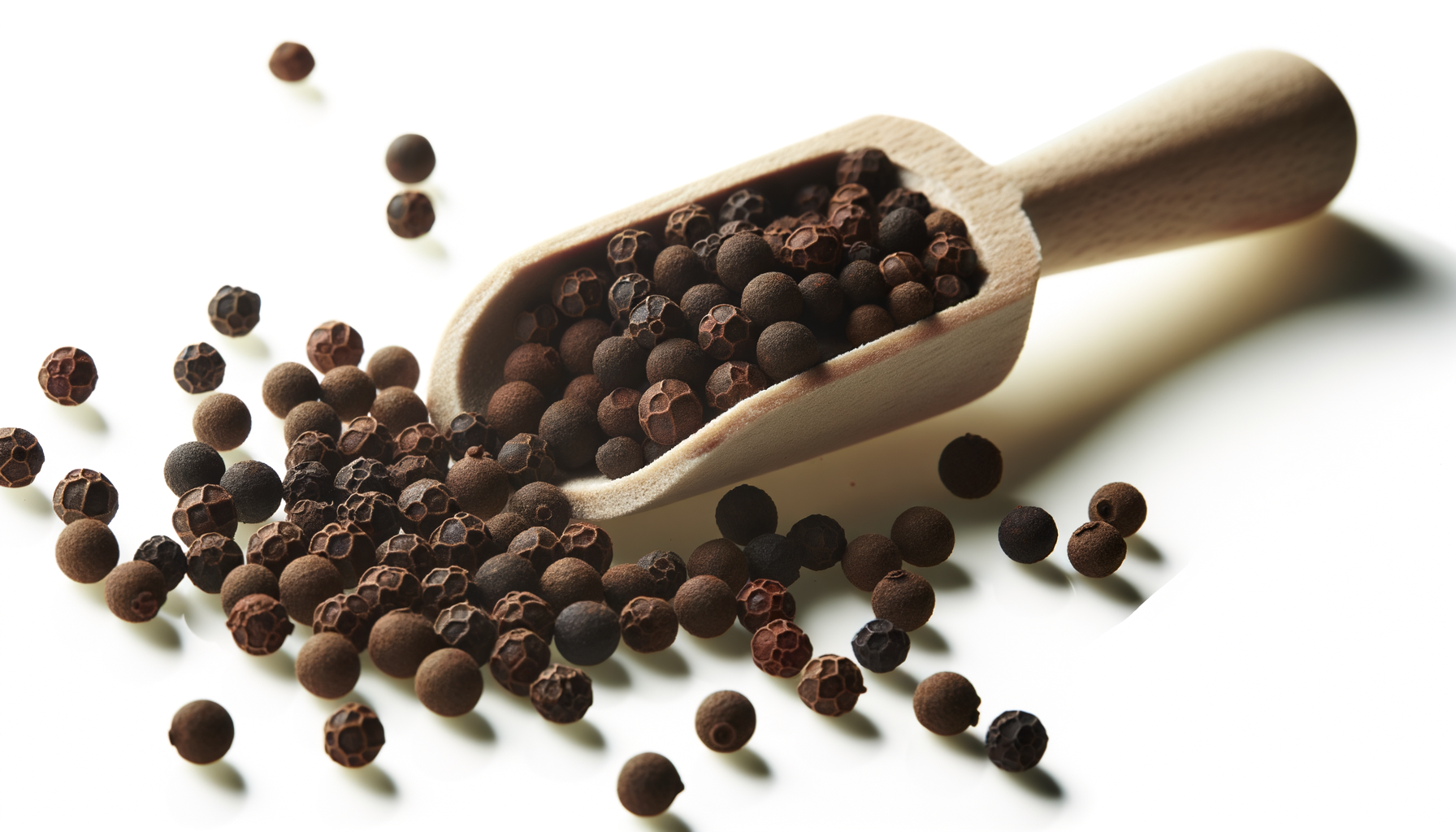
Allspice
Pimenta dioica
Sensory Profile
Tastes
Basic flavor profiles
Aromas
Scent characteristics
Stimuli
Sensory sensations
Textures
Physical properties
About Allspice
Allspice boasts a unique flavor that harmoniously combines the notes of cinnamon, nutmeg, and cloves, earning it its name. The spice has a warm, sweet, and slightly peppery taste with subtle hints of eucalyptus and bay leaf, making it versatile in both sweet and savory dishes. Allspice is a key ingredient in Caribbean cuisine, often used in jerk seasoning and marinades. It enhances the flavor of meats, stews, and sauces, and is also popular in baking, adding depth to desserts like gingerbread and pumpkin pie. Additionally, it is used in pickling and can be infused into beverages, such as mulled wine and spiced rum. Native to the Caribbean and Central America, allspice is derived from the dried berries of the Pimenta dioica tree, which thrives in tropical climates. The spice was first discovered by European explorers in the 16th century, who were captivated by its complex flavor profile. Allspice berries are small, round, and dark brown, resembling black peppercorns. They can be used whole or ground, with the whole berries releasing their flavor more slowly, making them ideal for long-cooking dishes. The aromatic oils in allspice are particularly potent, contributing to its strong, lingering fragrance.
Associated health effects(16)
- Menopausal Symptom Modulation
- Antioxidant
- Allergic Reactions
- Analgesic Activity
- Nutritional Advantages
- Blood Sugar Support
- Digestive Enzyme Stimulation
- Flavor and Culinary Use
- Anti-obesity Activity
- Gastrointestinal Discomfort
- Weight Management
- Contact Dermatitis
- Digestive Aid
- Anticancer Potential
- Anti-inflammatory
- Carminative
Nutrition per 100 g(4)
- Energy: 263 kcal
- Protein: 6.09 g
- Fat: 8.69 g
- Fiber: 21.6 g