
Amaranth Sensory Map
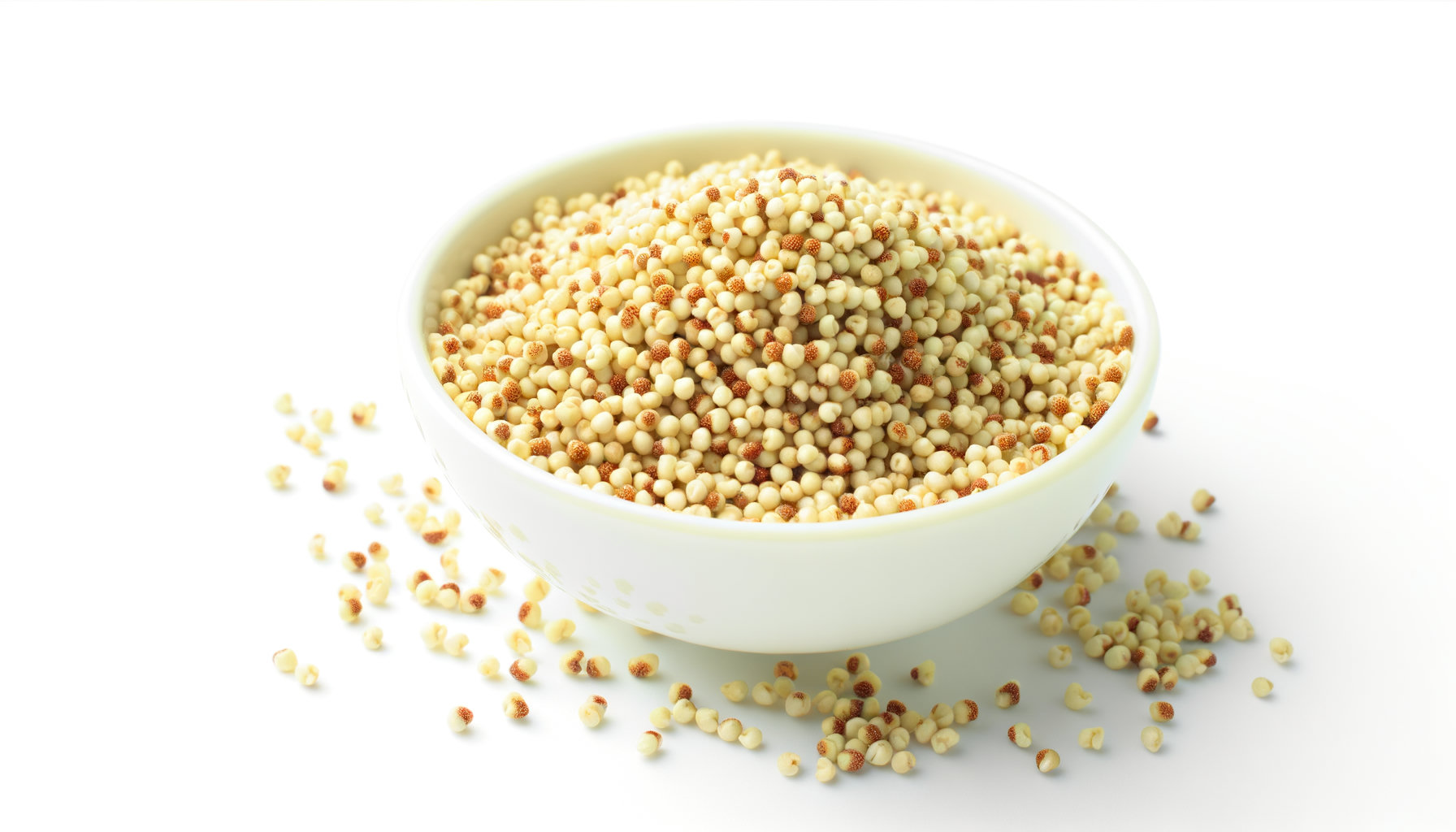
Amaranth
Amaranthus caudatus
Sensory Profile
Tastes
Basic flavor profiles
Aromas
Scent characteristics
Stimuli
Sensory sensations
Textures
Physical properties
About Amaranth
Amaranth seeds have a mild, nutty flavor with a slightly earthy undertone. When cooked, they develop a pleasantly chewy texture, reminiscent of quinoa, and can impart a subtle sweetness, making them versatile for both savory and sweet dishes. Amaranth is often used as a gluten-free grain alternative in various culinary applications. It can be cooked as a porridge, added to salads, or used as a thickener in soups and stews. The seeds can also be popped like popcorn, creating a crunchy snack or topping. Additionally, amaranth flour is popular in baking, particularly for gluten-free bread and pastries, enhancing the nutritional profile of baked goods. Amaranth is native to Central and South America, where it has been cultivated for thousands of years, particularly by the Aztecs and Incas. It was revered not only for its nutritional value but also for its cultural significance in ancient rituals. Today, it is grown in various regions around the world, including India, Africa, and the United States. Amaranth is notable for its high nutritional content, being rich in protein, fiber, and essential amino acids, particularly lysine, which is often lacking in other grains. It is also a good source of vitamins and minerals, including iron and magnesium.
Associated health effects(52)
- Squalene-Mediated Cholesterol Regulation
- Micronutrient Support
- Insulin Sensitivity Enhancement
- Micronutrient Density
- Vitamin C Content Support
- Anti-ulcer Activity
- Constipation Relief
- Betacyanin Antioxidant Activity
- Phytate Mineral Bioavailability Reduction
- Cardiovascular Protection
- Cardiovascular Health
- Blood Pressure Reduction
- Gut Microbiota Modulation
- Lysine Provision
- Lunasin-Like Peptide Activity
- Lipid Profile Improvement
- Gluten-Free Suitability
- Blood Sugar Support
- Appetite Reduction via Fiber-Induced Satiety
- Antidiabetic Activity
- Blood Sugar Regulation
- Amino Acid Quality Support
- Immune Booster
- Polyphenol-Mediated Antioxidant Activity
- Lunasin-Mediated Anti-inflammatory Activity
- No Evidence of Toxicity, Heavy Metals, or Contaminants
- Mineral Content
- Hepatoprotection
- Dietary Fiber
- Allergic Reaction Risk
- Cholesterol Absorption Inhibition
- Bone Health
- Cholesterol Management
- Anemia Prevention
- Antinutrient Exposure
- Gluten-Free Nature
- Protein Content
- Antidiarrheal Activity
- Anti-fatigue and Improved Physical Performance
- LDL Cholesterol Reduction
- Bioactive Peptide Support
- Gastric Ulcer Protection
- Triglyceride Reduction
- Laxative Activity
- Immune Function
- Complete Protein Support
- Manganese-Mediated Enzyme Support
- Digestive Aid
- Digestive Health
- Anticancer Potential
- Anti-inflammatory
- Complete Protein Profile
Nutrition per 100 g(4)
- Energy: 371 kcal
- Protein: 13.56 g
- Fat: 7.02 g
- Fiber: 7 g