
Ammonium Carbonates Sensory Map
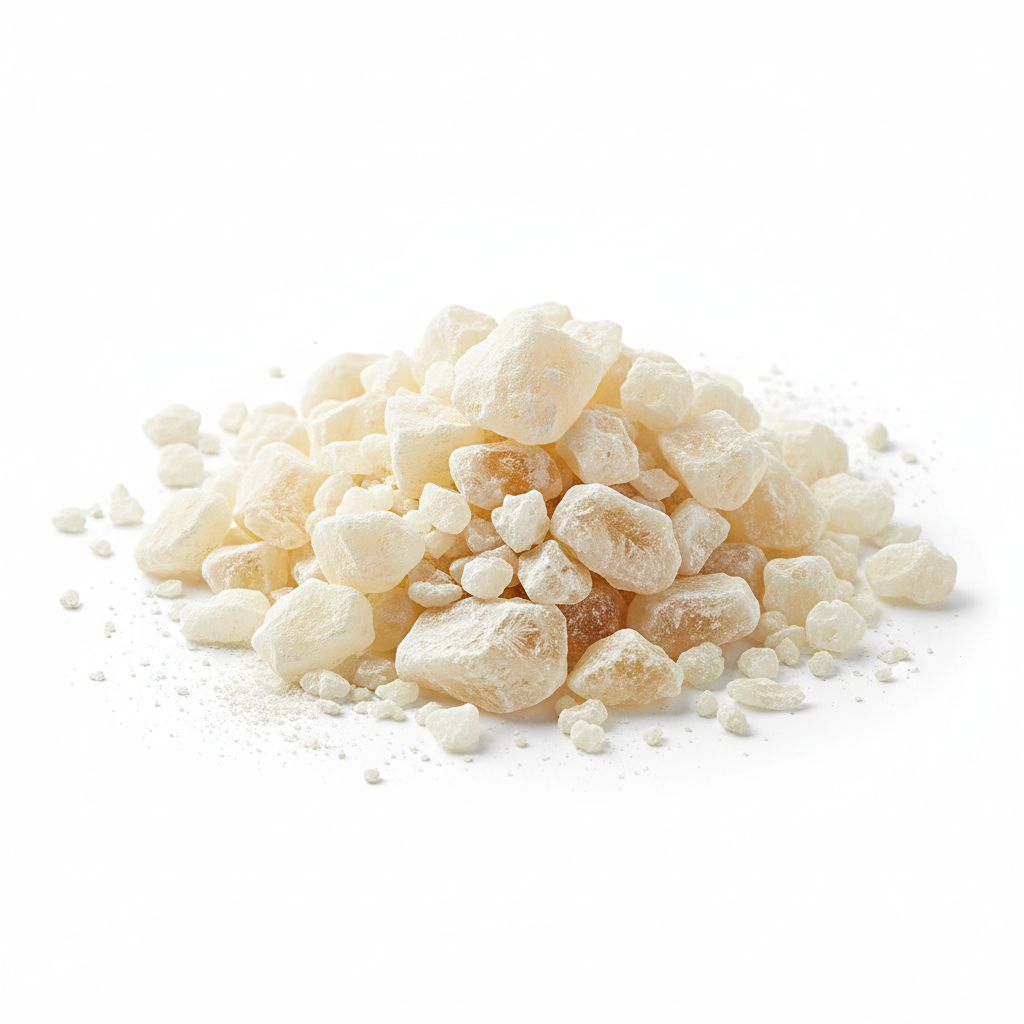
Ammonium Carbonates
Ammonii carbonas
Sensory Profile
Tastes
Basic flavor profiles
Aromas
Scent characteristics
Stimuli
Sensory sensations
Textures
Physical properties
About Ammonium Carbonates
Ammonium Carbonates (Ammonii carbonas), historically known as "hartshorn," is a potent chemical leavening agent characterized by a sharp, pungent ammoniacal aroma that dissipates entirely during the baking process, leaving behind a neutral flavor profile and a remarkably crisp, airy crumb. Unlike modern baking powder, this salt decomposes rapidly at temperatures above 60°C (140°F) into carbon dioxide, water, and ammonia gas, a reaction that creates high-pressure internal expansion without the lingering soapy alkalinity often associated with sodium bicarbonate. This unique volatility makes it indispensable for traditional Northern European "flat" pastries such as German *Lebkuchen* and Scandinavian *Drømmekager*, where the rapid gas release facilitates a porous, honeycomb-like internal structure and a signature "snap" in low-moisture doughs. Originally derived from the dry distillation of deer antlers and later refined through the sublimation of ammonium chloride and calcium carbonate, the ingredient remains a cornerstone of artisanal confectionery because it does not react until heat is applied, allowing for long-term aging of spiced honey doughs without loss of leavening potency. Because the ammonia gas must be allowed to escape to avoid a caustic aftertaste, its application is strictly reserved for thin, high-surface-area baked goods, where it interacts with flour proteins to produce a delicate, friable texture that cannot be replicated by other leaveners.
Associated health effects(5)
- Food Processing Functionality
- Acute Oral Toxicity
- Respiratory Irritation
- Skin and Eye Irritation
- Gastrointestinal Irritation
Nutrition per 100 g(4)
- Energy: 398 kcal
- Protein: 0.4 g
- Fat: 0.1 g
- Fiber: 0 g