
Anaheim Pepper Sensory Map
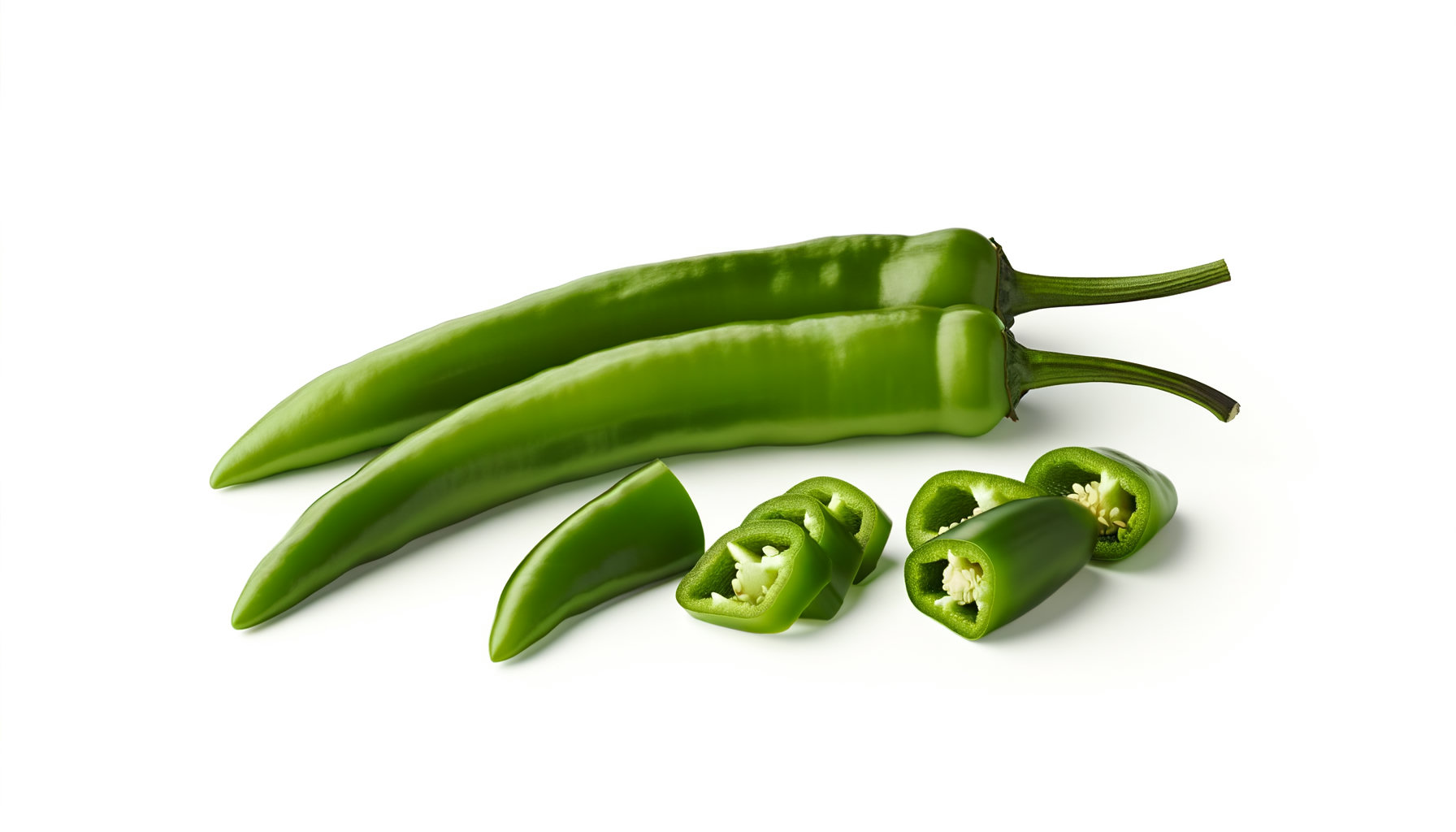
Anaheim Pepper
Capsicum annuum
Sensory Profile
Tastes
Basic flavor profiles
Aromas
Scent characteristics
Stimuli
Sensory sensations
Textures
Physical properties
About Anaheim Pepper
Anaheim Pepper (Capsicum annuum), a member of the Solanaceae family, is characterized by its mild heat level, typically ranging from 500 to 2,500 Scoville Heat Units, making it an approachable choice for those seeking a gentle kick. The flavor profile is subtly sweet with a hint of earthiness, complemented by a fresh, grassy aroma that evokes the essence of sun-drenched gardens. Its smooth, slightly waxy skin encases a tender flesh that lends itself well to various cooking methods, from roasting to sautéing, enhancing dishes with both flavor and texture. Culinary applications of the Anaheim pepper are abundant, particularly in classic dishes such as Chile Rellenos, where its robust flesh is ideal for stuffing, allowing it to absorb and meld with rich cheeses and spices. In salsas and sauces, the pepper's mild heat and sweet undertones balance acidity and provide depth, making it a staple in Southwestern cuisine. The pepper’s ability to caramelize when roasted further enhances its natural sugars, creating a complex flavor profile that elevates dishes like enchiladas or tacos. Originating from the region around Anaheim, California, this pepper has become emblematic of Mexican-American cuisine, reflecting a cultural fusion that celebrates both traditional and contemporary culinary practices. Traditionally, Anaheim peppers are harvested at their peak ripeness and can be dried or smoked to create variations such as the popular New Mexico chile, which deepens their flavor through the Maillard reaction during the drying process. What sets the Anaheim pepper apart is its unique balance of sweetness and mild heat, which allows it to serve as a versatile ingredient without overpowering other flavors in a dish. Its chemical composition, rich in capsaicin, not only contributes to its mild spiciness but also offers potential health benefits, including anti-inflammatory properties. This makes the Anaheim pepper not just a flavorful addition but also a thoughtful choice for health-conscious culinary applications.
Associated health effects(39)
- Digestive Motility Enhancement
- Capsaicin-Induced Appetite Suppression
- Satiety Enhancement
- Antioxidant
- Allergy Risk
- Analgesic Activity
- Blood Pressure Reduction
- Folate Source
- Type 2 Diabetes Prevention
- Gut Microbiota Modulation via Capsaicin
- Alpha-amylase Inhibition
- Cancer-Preventive
- Blood Cholesterol Reduction
- Blood Sugar Support
- Capsaicin-Induced Pain Relief
- Blood Sugar Regulation
- Immune Booster
- Carotenoid Source
- Atherosclerosis Prevention
- Capsaicin-Induced LDL Oxidation Reduction
- Capsaicin-Induced Thermogenesis
- Dietary Fiber
- Carotenoid Eye Protection
- Antiscorbutic Activity
- Alpha-glucosidase Inhibition
- Weight Management
- Vitamin and Mineral Support
- B Vitamin Nervous System Support
- LDL Cholesterol Reduction
- Potassium
- Fiber Content
- Capsaicin-Induced Gastrointestinal Irritation
- Heart Health
- Eye Health
- Lipid Metabolism Support
- Digestive Aid
- Vitamin A Source
- Anticancer Potential
- Anti-inflammatory
Nutrition per 100 g(4)
- Energy: 24 kcal
- Protein: 1 g
- Fat: 0.2 g
- Fiber: 1.5 g