
Andaliman Pepper Sensory Map
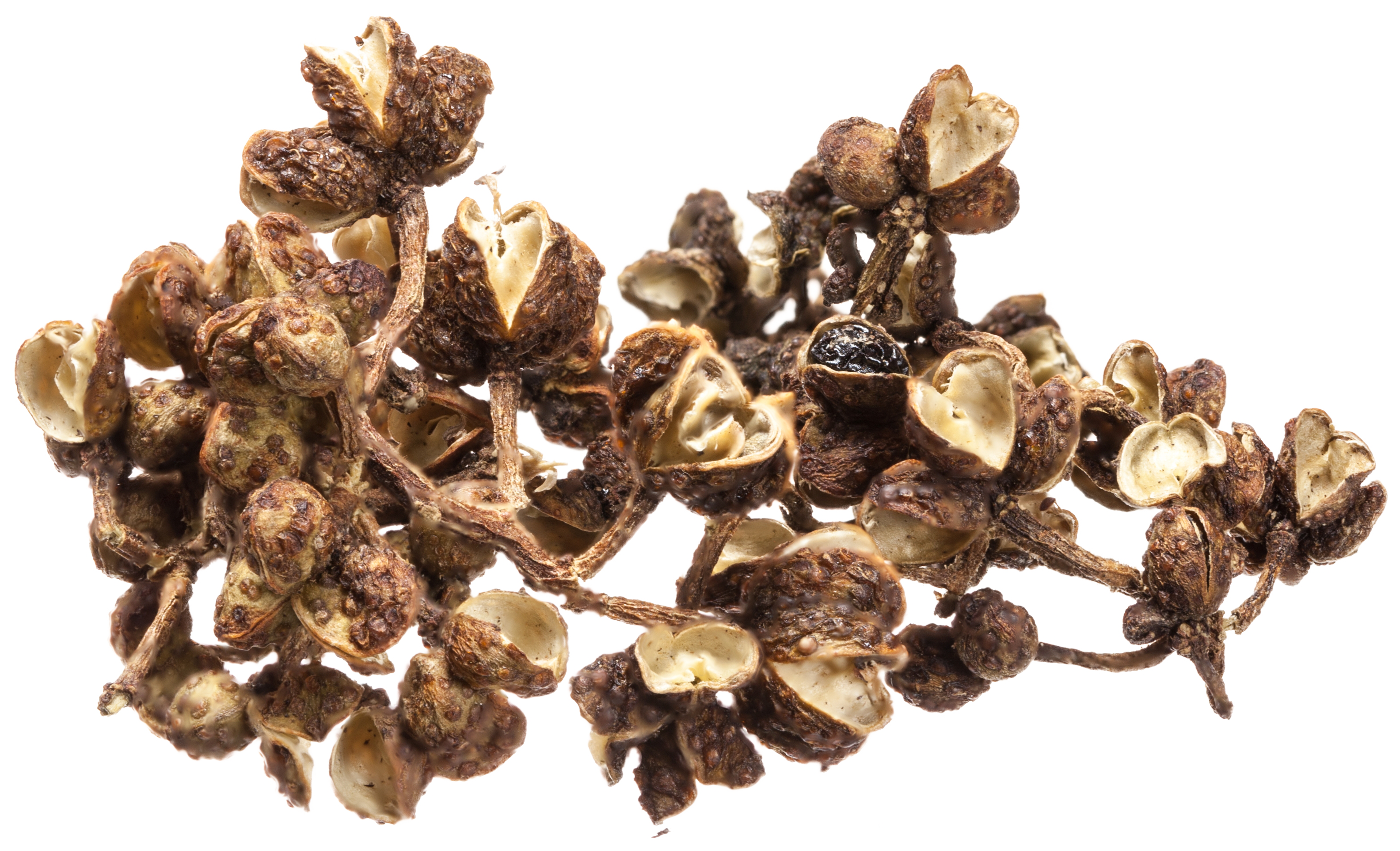
Andaliman Pepper
Zanthoxylum acanthopodium
Sensory Profile
Tastes
Basic flavor profiles
Aromas
Scent characteristics
Stimuli
Sensory sensations
Textures
Physical properties
About Andaliman Pepper
Andaliman pepper, often referred to as Indonesian Sichuan pepper, offers a unique flavor experience characterized by its citrusy, slightly floral notes, accompanied by a gentle heat and a distinct numbing sensation on the palate. Its complex taste combines hints of lemon and grapefruit with a subtle earthiness, making it a versatile spice in various culinary applications. Primarily used in Indonesian cuisine, particularly in the regions of Sumatra and Java, Andaliman pepper enhances dishes such as rendang, sambal, and various meat and seafood preparations. It is also used to season soups, stews, and marinades, imparting a refreshing zing that elevates the overall flavor profile. Additionally, it can be ground into a powder or used whole, making it suitable for both cooking and as a finishing spice. Andaliman pepper is native to the mountainous regions of Sumatra, Indonesia, where it grows in the wild. It thrives in the humid, tropical climate and is often harvested by local communities who have utilized it for generations. The spice is gaining recognition beyond its native region, finding its way into global culinary trends. Belonging to the Rutaceae family, Andaliman pepper is distinguished by its small, round, reddish-brown berries, which are harvested when ripe. The berries are typically dried before use, enhancing their aromatic properties.
Associated health effects(5)
- Antioxidant
- Sensory Tingling and Numbing
- Antibacterial
- Anticancer Potential
- Anti-inflammatory
Nutrition per 100 g(4)
- Energy: 195 kcal
- Protein: 10 g
- Fat: 5 g
- Fiber: 8 g