
Angelica Sensory Map
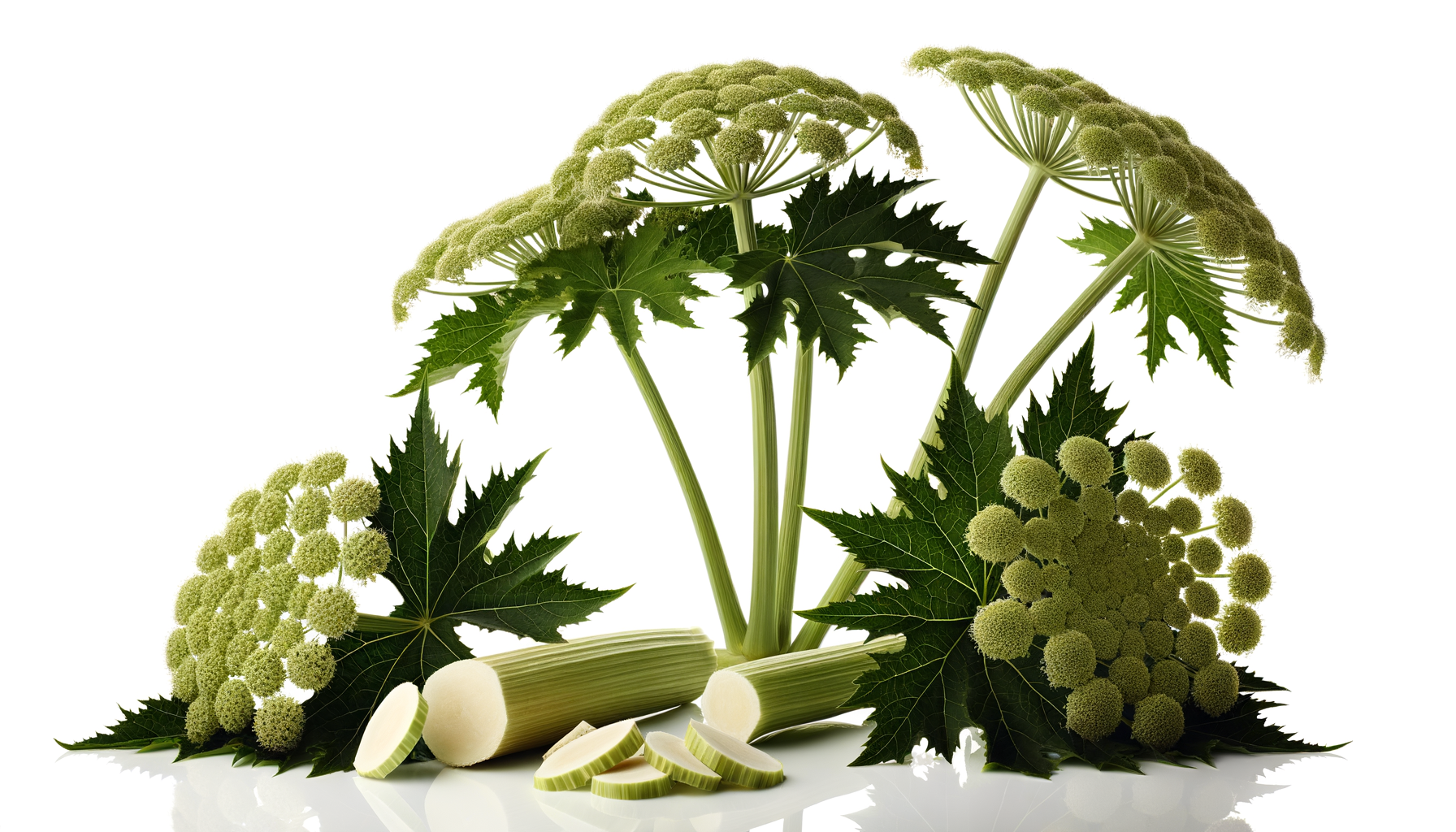
Angelica
Angelica archangelica
Sensory Profile
Tastes
Basic flavor profiles
Aromas
Scent characteristics
Stimuli
Sensory sensations
Textures
Physical properties
About Angelica
Angelica boasts a complex flavor profile that is both sweet and herbaceous, with a hint of earthiness and a subtle bitterness. Its aromatic qualities are reminiscent of anise and celery, making it a unique addition to various culinary applications. This versatile spice is often used in both sweet and savory dishes. The stems can be candied and used in confections, while the leaves and roots are employed in herbal teas, liqueurs (notably Chartreuse and gin), and as a flavoring agent in desserts. In savory cooking, angelica can enhance soups, stews, and marinades, imparting a distinctive taste that complements rich meats and vegetables. Native to the cold, damp regions of Europe and Asia, angelica has a long history of use in traditional medicine and culinary practices. It thrives in temperate climates and is often found growing wild in marshy areas. The plant has been cultivated since the Middle Ages, particularly in Scandinavia, where it is known as "the root of the Holy Ghost." Angelica is characterized by its tall, hollow stems, large, umbrella-like clusters of white flowers, and broad, serrated leaves. The plant can grow up to 2 meters in height and is often recognized by its strong, aromatic scent. Its medicinal properties have been valued for centuries.
Associated health effects(70)
- Anxiety Relief
- Blood Pressure Support
- Circulation Support
- Expectorant
- Appetite Stimulant
- Neurological and Anxiolytic Effects
- Apoptosis Induction
- Furanocoumarin-Induced Photosensitivity
- Essential Oil-Mediated Antimicrobial Activity
- Constipation Relief
- Drug Interactions
- GABAergic Modulation
- Pregnancy/nursing contraindication
- Cardiovascular Protection
- Antioxidant
- Immunomodulatory Activity
- Allergic Reactions
- Photosensitivity
- Allergy Risk
- Toxicity and Safety
- Estrogenic Activity
- Analgesic Activity
- Blood Pressure Reduction
- Anti-anxiety Effects
- Nutritional Advantages
- Polysaccharide Hematopoietic Support
- Wound Healing
- Photosensitivity Reaction
- Antifungal
- Menstrual Cramp Relief
- Phototoxicity
- Bitter Receptor-Mediated Digestive Stimulation
- Cytotoxic Activity Against Cancer Cell Lines
- Antihypertensive
- No Unique Nutritional Advantage
- Gynecological Support
- Wound Healing Promotion
- Menstrual Regulation
- Digestive Spasm Relief
- Coumarin-Induced Anticoagulant Activity
- Digestive Secretory Stimulation
- Immune Booster
- Immune Modulation
- Neuroprotection via Decursin Compounds
- Hepatoprotection
- Polysaccharide Immune Modulation
- Furanocoumarin-Induced Phototoxicity
- Respiratory Tonic Activity
- Bitter Receptor-Mediated Digestive Secretory Stimulation
- Allergic Reaction Risk
- Circulatory Stimulant Activity
- Anemia Prevention
- Digestive Protection
- Bitter Receptor-Mediated Respiratory Expectorant Activity
- Diuretic Activity
- Furanocoumarin-Induced Drug Interaction Potential
- Antibacterial
- Emmenagogue Activity
- Fibrosis Attenuation
- Neuroprotection
- Furanocoumarin-Mediated Anti-inflammatory Activity
- Gastrointestinal Distress
- Antiviral
- Digestive Aid
- Respiratory Support
- Digestive Health
- Anticancer Potential
- Anti-inflammatory
- Carminative
- Target Organ Protection
Nutrition per 100 g(4)
- Energy: 43 kcal
- Protein: 2 g
- Fat: 0.5 g
- Fiber: 3 g