
Anise Sensory Map
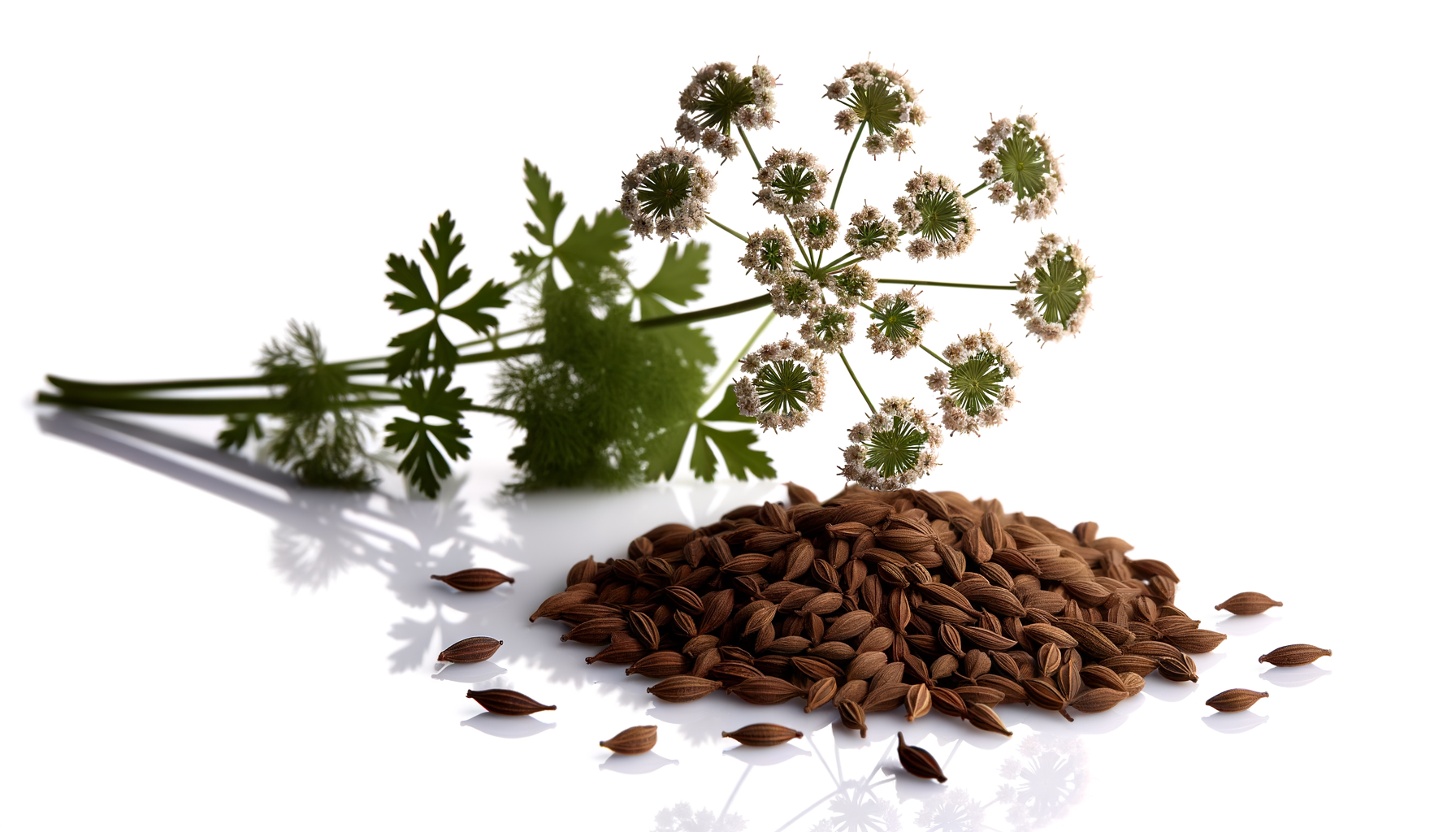
Anise
Pimpinella anisum
Sensory Profile
Tastes
Basic flavor profiles
Aromas
Scent characteristics
Stimuli
Sensory sensations
Textures
Physical properties
About Anise
Anise (not to be confused with star anise) is renowned for its sweet, aromatic flavor reminiscent of licorice, with subtle hints of fennel and a warm, slightly spicy undertone. Its distinctive taste is both bold and complex, making it a unique addition to various dishes. Anise is versatile in culinary applications, commonly used in both sweet and savory dishes. It is a key ingredient in baked goods such as cookies and cakes, particularly in Mediterranean and Middle Eastern cuisines. Anise seeds can be infused into teas, liqueurs (notably in absinthe and ouzo), and sauces, while the leaves are often used as a garnish or in salads. In Indian cuisine, anise is found in spice blends like garam masala and is used to flavor curries and rice dishes. Native to the eastern Mediterranean and Southwest Asia, anise has been cultivated since ancient times. It was highly valued by the Egyptians and Romans, who used it for both culinary and medicinal purposes. Today, it is grown in various regions, including Spain, Turkey, and India. Anise seeds are small, oval, and brownish-gray, with a smooth surface and a strong aroma. The plant itself can grow up to 3 feet tall, featuring delicate white flowers that bloom in umbels. Anise is often confused with star anise (Illicium verum), which, despite
Associated health effects(23)
- Menstrual Support
- Blood Pressure Support
- Micronutrient Support
- Expectorant
- Appetite Stimulant
- Antidepressant
- Hormone Regulation
- Antioxidant
- Allergic Reactions
- Liver Toxicity
- Antifungal
- Pain Relief
- Blood Sugar Support
- Digestive Irritation
- Skin Health
- Interaction with Medications
- Nausea Relief
- Gastrointestinal Relief
- Antibacterial
- Antiviral
- Digestive Aid
- Anti-inflammatory
- Carminative
Nutrition per 100 g(4)
- Energy: 347 kcal
- Protein: 17.6 g
- Fat: 15.9 g
- Fiber: 14.6 g