
Apple Cider Vinegar Sensory Map
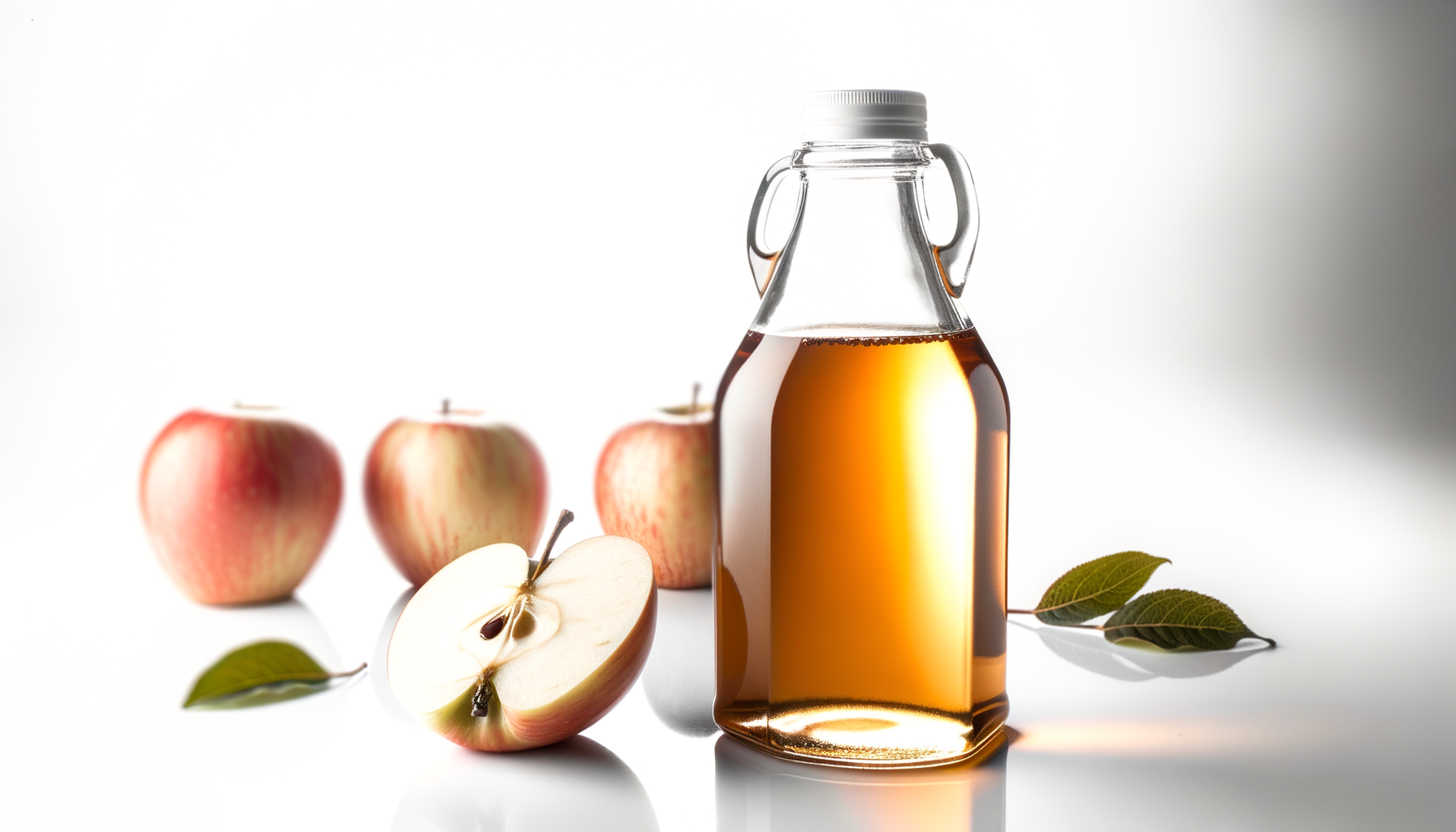
Apple Cider Vinegar
Malus domestica
Sensory Profile
Tastes
Basic flavor profiles
Aromas
Scent characteristics
Stimuli
Sensory sensations
Textures
Physical properties
About Apple Cider Vinegar
Apple cider vinegar offers a tangy, slightly sweet flavor with a crisp acidity that can enhance both sweet and savory dishes. Its complex taste profile includes fruity undertones from the apples, making it a versatile ingredient in various culinary applications. Widely used in salad dressings, marinades, and pickling, apple cider vinegar adds brightness to dishes and balances rich flavors. It can also be incorporated into sauces, glazes, and beverages, such as tonics and cocktails. Additionally, it serves as a natural preservative and is often used in fermentation processes. Originating from the domesticated apple (Malus domestica), apple cider vinegar has its roots in ancient civilizations, with historical records dating back to Babylon around 5000 BC. It has been traditionally produced in regions with a strong apple-growing culture, particularly in the United States and Europe. Apple cider vinegar is characterized by its amber hue and can be found in both filtered and unfiltered forms, with the latter containing the "mother"—a colony of beneficial bacteria that contributes to its probiotic properties. This vinegar is celebrated not only for its culinary versatility but also for its potential health benefits, including aiding digestion and supporting metabolic health. Its natural acidity makes it an excellent choice for enhancing flavors while providing a refreshing zing to a wide array of dishes.
Associated health effects(10)
- Kidney Stress
- Blood Sugar Support
- Digestive Irritation
- Interaction with Medications
- Cholesterol Management
- Esophageal Irritation
- Weight Management
- Antibacterial
- Tooth Decay
- Digestive Aid
Nutrition per 100 g(4)
- Energy: 21 kcal
- Protein: 0 g
- Fat: 0 g
- Fiber: 0 g