
Apricot Sensory Map
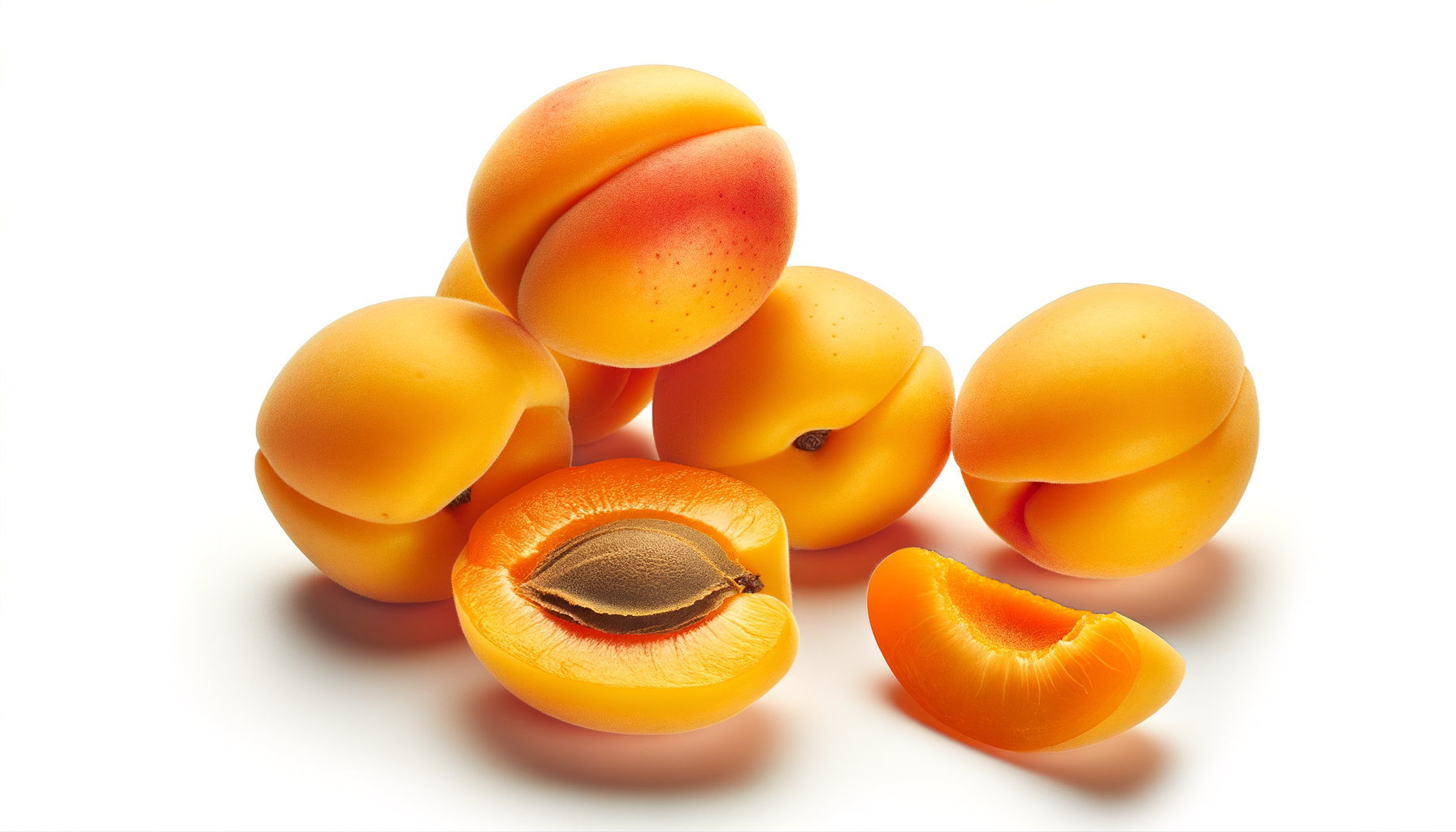
Apricot
Prunus armeniaca
Sensory Profile
Tastes
Basic flavor profiles
Aromas
Scent characteristics
Stimuli
Sensory sensations
Textures
Physical properties
About Apricot
Apricots possess a delicate balance of sweetness and tartness, offering a subtly tangy flavor with hints of honey and floral notes. The flesh is juicy and tender, while the skin adds a slight bitterness that enhances its overall complexity. Fresh apricots are delightful in salads, desserts, and as a snack. They can be dried to intensify their sweetness, making them a popular addition to granola, trail mixes, and baked goods. Apricot preserves and jams are common, pairing well with cheeses and charcuterie. In savory dishes, apricots can be used in tagines, stews, and glazes, providing a fruity contrast to rich meats. The apricot is believed to have originated in Central Asia, particularly in the region of Armenia, which is reflected in its scientific name, *Prunus armeniaca*. It has been cultivated for thousands of years and spread throughout the Mediterranean and into Europe and the Americas, where it thrives in temperate climates. Apricots are small, round fruits with a smooth, velvety skin that ranges in color from pale yellow to deep orange. They are rich in vitamins A and C, dietary fiber, and antioxidants. The fruit's stone, or pit, is hard and inedible, but it contains a kernel that can be used to produce
Associated health effects(13)
- Cyanide Toxicity
- Micronutrient Support
- Antioxidant
- Allergic Reactions
- Cancer-Preventive
- Immune Booster
- Vision Protection
- Skin Health
- Cholesterol Management
- Neuroprotection
- Heart Health
- Digestive Aid
- Anti-inflammatory
Nutrition per 100 g(4)
- Energy: 48 kcal
- Protein: 0.5 g
- Fat: 0.14 g
- Fiber: 2 g