
Aronia Sensory Map
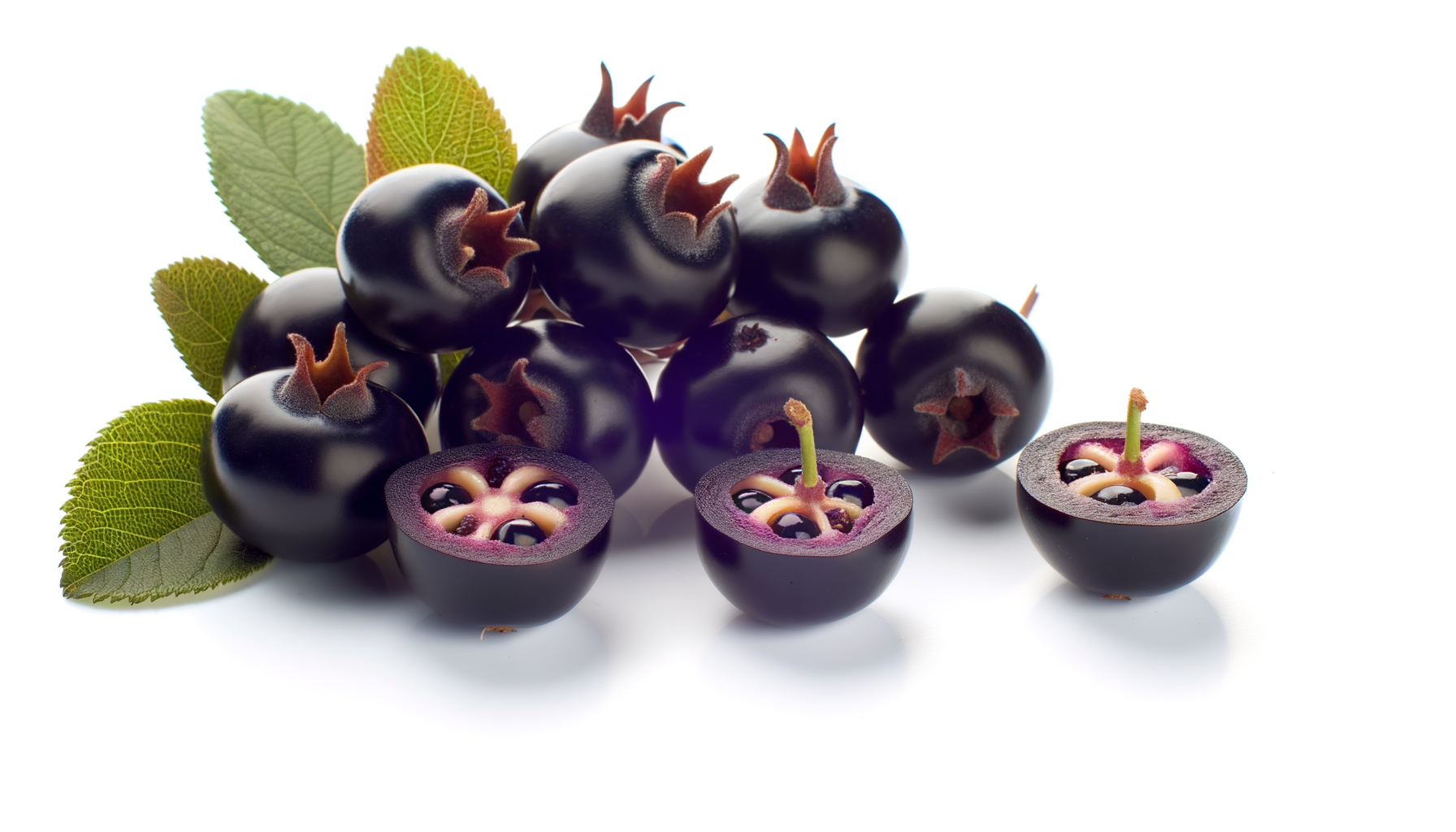
Aronia
Aronia melanocarpa
Sensory Profile
Tastes
Basic flavor profiles
Aromas
Scent characteristics
Stimuli
Sensory sensations
Textures
Physical properties
About Aronia
Aronia, commonly known as chokeberry, boasts a complex flavor that balances tartness and sweetness. The berries have a slightly astringent quality, with notes reminiscent of blackcurrants and cranberries, making them both refreshing and slightly tangy. Aronia berries are versatile in the kitchen. They can be used fresh in salads or smoothies, but are more commonly found in processed forms such as jams, jellies, and syrups due to their high pectin content. They also lend themselves well to baking, enhancing muffins, pies, and breads. Additionally, aronia can be infused into beverages, including wines and teas, or used as a natural coloring agent in sauces and dressings. Native to North America, aronia berries were traditionally utilized by Indigenous peoples for their nutritional and medicinal properties. The plant thrives in wetland areas and is now cultivated in various regions, particularly in the northeastern United States and parts of Europe, where it has gained popularity for its health benefits. Aronia shrubs are characterized by their glossy, dark green leaves and clusters of small, black berries that mature in late summer to early fall. The berries are rich in antioxidants, vitamins, and minerals, contributing to their reputation as a superfood. The plant is also valued for its ornamental qualities, featuring white flowers in spring and vibrant red foliage in autumn
Associated health effects(14)
- Blood Pressure Support
- Micronutrient Support
- Antioxidant
- Allergic Reactions
- Cancer-Preventive
- Blood Sugar Support
- Organ Protection
- Digestive Irritation
- Hepatoprotection
- Interaction with Medications
- Cholesterol Management
- Nutrient Interference
- Heart Health
- Anti-inflammatory
Nutrition per 100 g(4)
- Energy: 65 kcal
- Protein: 1 g
- Fat: 0.5 g
- Fiber: 5 g