
Artichoke Sensory Map
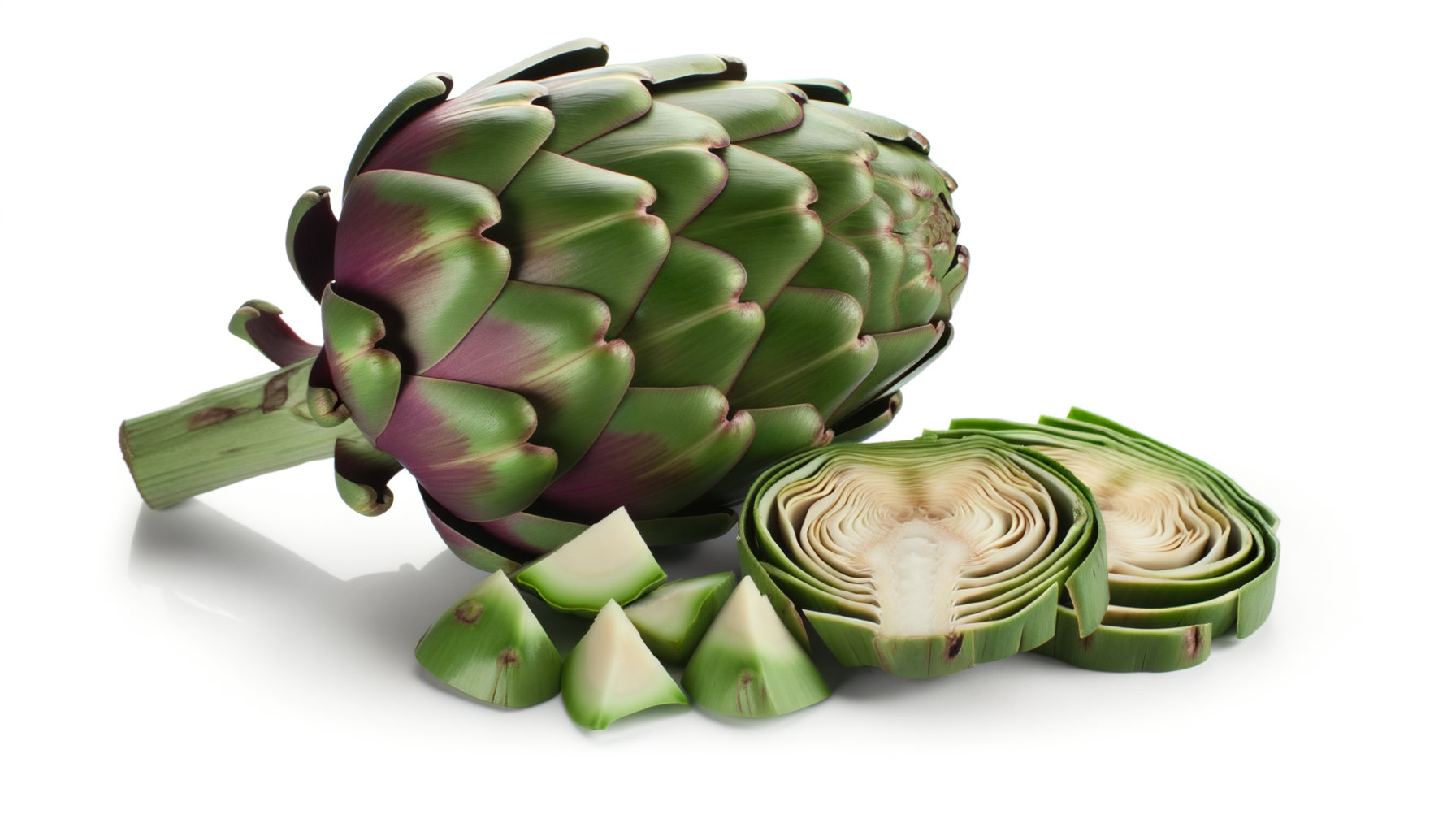
Artichoke
Cynara cardunculus
Sensory Profile
Tastes
Basic flavor profiles
Aromas
Scent characteristics
Stimuli
Sensory sensations
Textures
Physical properties
About Artichoke
Artichokes possess a unique, mildly nutty flavor with a subtle sweetness and a hint of earthiness. The tender hearts are particularly prized for their creamy texture, while the leaves offer a slightly bitter, herbaceous taste that enhances their culinary versatility. Artichokes are often enjoyed steamed, boiled, or grilled, making them a popular addition to salads, pastas, and dips. The hearts can be marinated or incorporated into dishes like risottos and pizzas. Additionally, artichokes are commonly used in Mediterranean cuisine, featured in dishes such as stuffed artichokes or as a component in antipasto platters. The leaves can be dipped in sauces, such as melted butter or aioli, for a flavorful appetizer. Native to the Mediterranean region, artichokes have been cultivated since ancient times, with origins tracing back to the ancient Greeks and Romans. They thrive in temperate climates and are now grown in various parts of the world, including California, which is a significant producer in the United States. Artichokes are characterized by their large, thistle-like flower buds, which are typically green or purple. The edible portions include the fleshy leaves and the tender heart, while the inedible choke is found in the center of mature buds.
Associated health effects(9)
- Antioxidant
- IBS Symptom Relief
- Liver Support
- Hepatoprotection
- Cholesterol Management
- LDL Cholesterol Reduction
- Triglyceride Reduction
- Digestive Aid
- Anti-inflammatory
Nutrition per 100 g(4)
- Energy: 47 kcal
- Protein: 3.3 g
- Fat: 0.2 g
- Fiber: 5.4 g