
Asafoetida Sensory Map
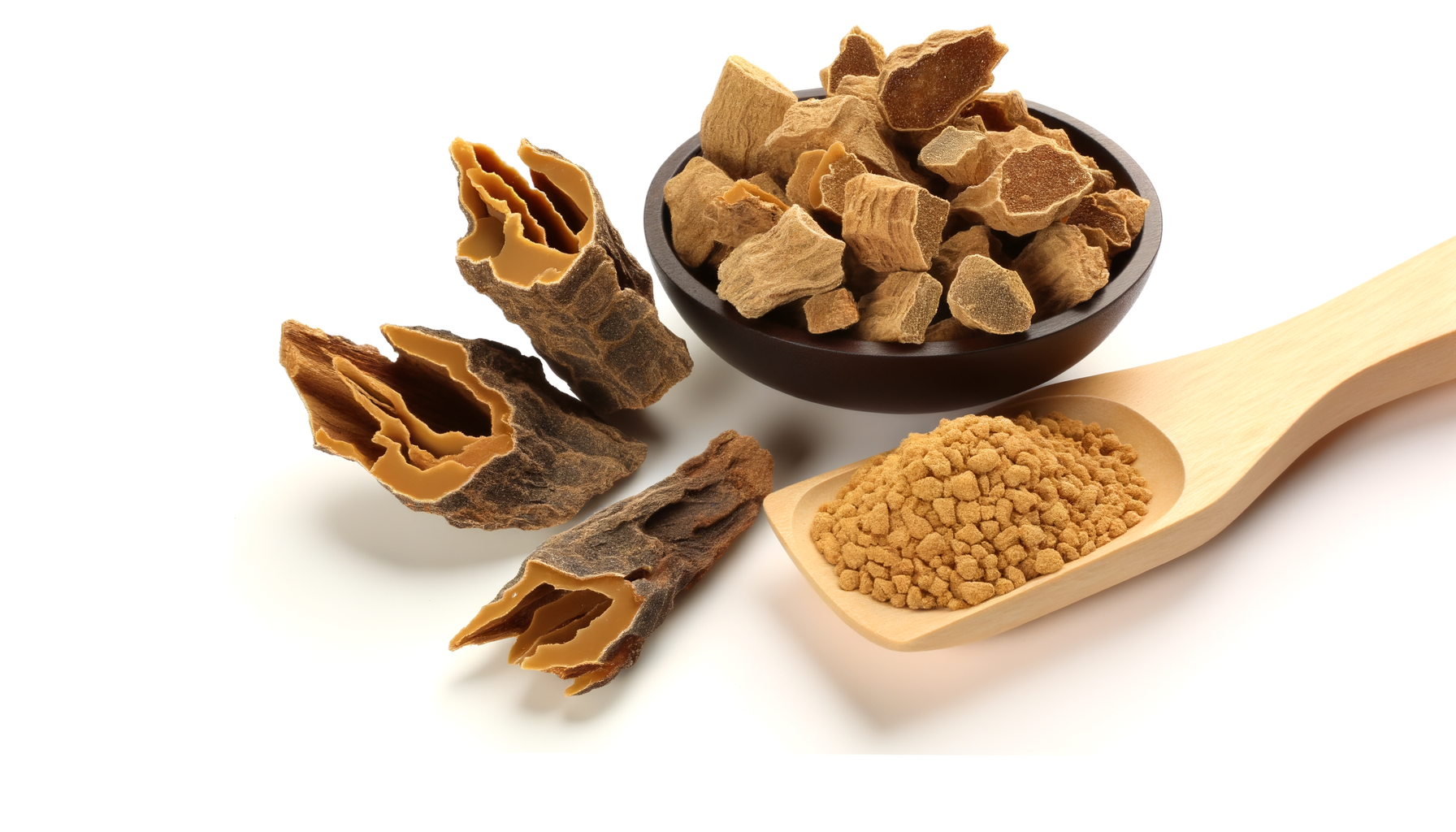
Asafoetida
Ferula asafoetida
Sensory Profile
Tastes
Basic flavor profiles
Aromas
Scent characteristics
Stimuli
Sensory sensations
Textures
Physical properties
About Asafoetida
Asafoetida, often referred to as "hing," possesses a pungent aroma reminiscent of garlic and onion when raw, which mellows significantly upon cooking. Its flavor is savory and umami-rich, adding depth to dishes, making it a popular substitute for alliums. Widely used in Indian, Middle Eastern, and some Mediterranean cuisines, asafoetida is typically added to hot oil or ghee at the beginning of cooking, allowing its flavors to infuse the dish. It is a key ingredient in lentil dishes, vegetable curries, and pickles, and is often used in vegetarian and vegan recipes to enhance flavor without the use of garlic or onions. Asafoetida is derived from the resin of the Ferula asafoetida plant, a giant fennel native to the mountainous regions of Iran and Afghanistan. Historically, it has been used in traditional medicine and culinary practices for centuries, with references found in ancient texts. Asafoetida is sold in powdered form or as a solid resin. Its strong, sulfurous scent can be off-putting in raw form, but it transforms into a rich, savory flavor when cooked. It is often used in small quantities due to its potency. Asafoetida is also valued for its digestive properties and is believed to have various health benefits,
Associated health effects(18)
- Menstrual Support
- Blood Pressure Support
- Antioxidant
- Allergic Reactions
- Antifungal
- Blood Sugar Support
- Vasodilation
- Digestive Irritation
- Skin Health
- Interaction with Medications
- Nausea Relief
- Carcinogenesis Inhibition
- Antibacterial
- Neuroprotection
- Digestive Aid
- Respiratory Support
- Anti-inflammatory
- Carminative
Nutrition per 100 g(4)
- Energy: 256 kcal
- Protein: 1 g
- Fat: 0.5 g
- Fiber: 0 g