
Ascorbic Acid Sensory Map
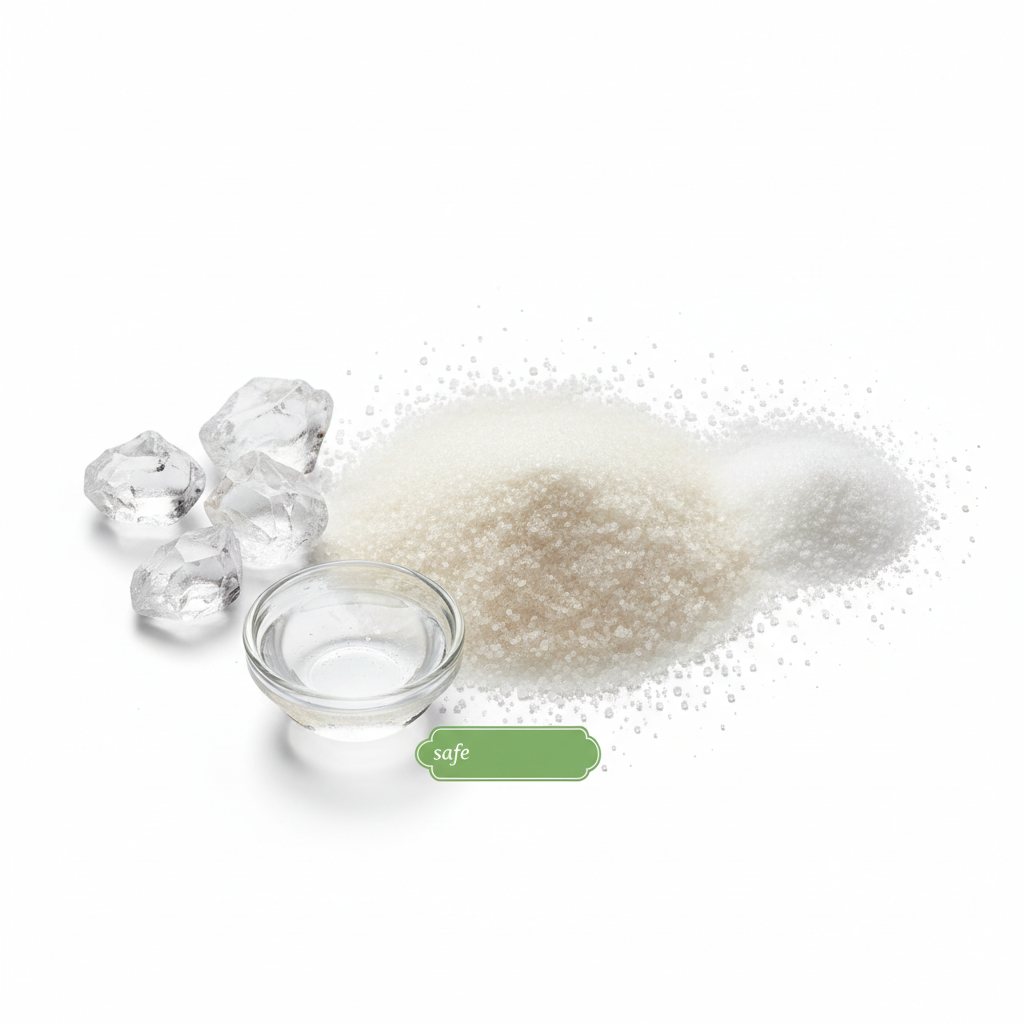
Ascorbic Acid
Acidum ascorbicum
Sensory Profile
Tastes
Basic flavor profiles
Aromas
Scent characteristics
Stimuli
Sensory sensations
Textures
Physical properties
About Ascorbic Acid
Ascorbic Acid (Acidum ascorbicum, vitamin C, E300, green label = safe) is a crystalline organic compound that presents a sharp, clean acidity devoid of the lingering fruity notes found in citric acid, offering a neutral scent and a fine, granular texture that dissolves rapidly in aqueous environments. In professional bread baking, it serves as a potent oxidizing agent that strengthens the glutenin and gliadin protein network, resulting in the increased loaf volume and tight crumb structure characteristic of a classic **Parisian Baguette**. Beyond leavening support, it is indispensable in the preparation of **Artichokes à la Barigoule**, where its low pH inhibits polyphenol oxidase to prevent enzymatic browning, maintaining the vibrant verdancy of the vegetable during the braise. While historically derived from the fermentation of glucose via the Reichstein process, its culinary provenance is rooted in the mid-20th-century modernization of food preservation, where it became the gold standard for stabilizing the color and flavor of cured meats and fruit preserves. What distinguishes Ascorbic Acid from other acidulants is its dual functionality as a reductone; it acts as a sacrificial antioxidant that scavenges free radicals, thereby extending the shelf life of delicate emulsions and preventing the oxidative rancidity of fats without altering the intended flavor profile of the dish.
Associated health effects(11)
- Uric Acid Reduction
- Collagen Synthesis Enhancement
- Antioxidant
- Deficiency Prevention
- Blood Pressure Reduction
- Common Cold Symptom Reduction
- Wound Healing
- Non-Heme Iron Absorption Enhancement
- Antiscorbutic Activity
- Immune Function
- Anti-inflammatory
Nutrition per 100 g(4)
- Energy: 1 kcal
- Protein: 0 g
- Fat: 0.1 g
- Fiber: 0 g