
Ashwagandha Sensory Map
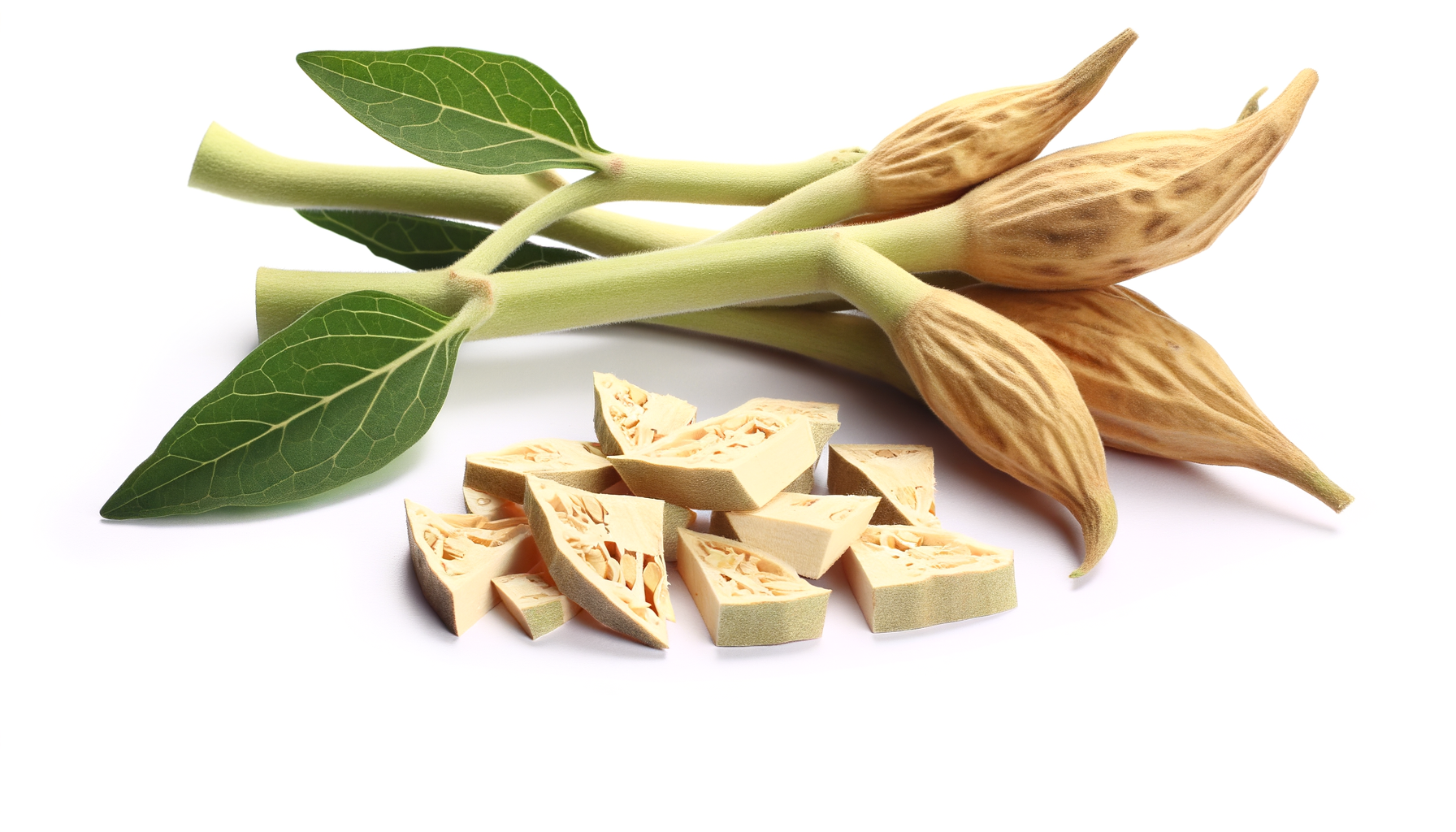
Ashwagandha
Withania somnifera
Sensory Profile
Tastes
Basic flavor profiles
Aromas
Scent characteristics
Stimuli
Sensory sensations
Textures
Physical properties
About Ashwagandha
Ashwagandha (Withania somnifera), a member of the Solanaceae family, is a revered herb in Ayurvedic medicine, known for its earthy, slightly bitter flavor profile and a distinct aroma reminiscent of wet soil and hay. Its texture is fine and powdery when ground, making it an ideal addition to both sweet and savory dishes. In culinary applications, ashwagandha is often incorporated into traditional Indian recipes such as kheer, a creamy rice pudding where its adaptogenic properties complement the sweetness of the dish while enhancing its nutritional profile. Additionally, it plays a crucial role in golden milk (haldi doodh), where its earthy notes harmonize with turmeric and spices, creating a soothing beverage that is both comforting and health-promoting. Originating from the arid regions of India, ashwagandha has deep cultural significance, often referred to as "Indian ginseng" due to its restorative properties. Traditionally, the roots are harvested and sun-dried to preserve their potency, ensuring that the active compounds, including withanolides, remain intact. What sets ashwagandha apart is its unique ability to modulate stress responses in the body, attributed to its adaptogenic qualities; this makes it not only a flavorful addition but also a functional ingredient that can enhance the overall well-being of the dish. Its incorporation into culinary practices is a testament to the intersection of health and flavor, making ashwagandha a distinctive herb that elevates both the palate and the nutritional value of meals.
Associated health effects(17)
- Male Fertility Boost
- Anti-arthritic
- Hypoglycemic Activity
- Potential Additive Hypoglycemia
- Antioxidant
- Cognitive Enhancement
- Mania Induction
- Immune Modulation
- Mood and Sleep Quality Enhancement
- Digestive Discomfort
- Adaptogenic Activity
- Thyroid Stimulation
- Exercise Recovery Enhancement
- Anxiolytic Activity
- Muscle Performance Enhancement
- Digestive Aid
- Anti-inflammatory
Nutrition per 100 g(4)
- Energy: 232 kcal
- Protein: 3 g
- Fat: 0.3 g
- Fiber: 5 g