
Asparagus Sensory Map
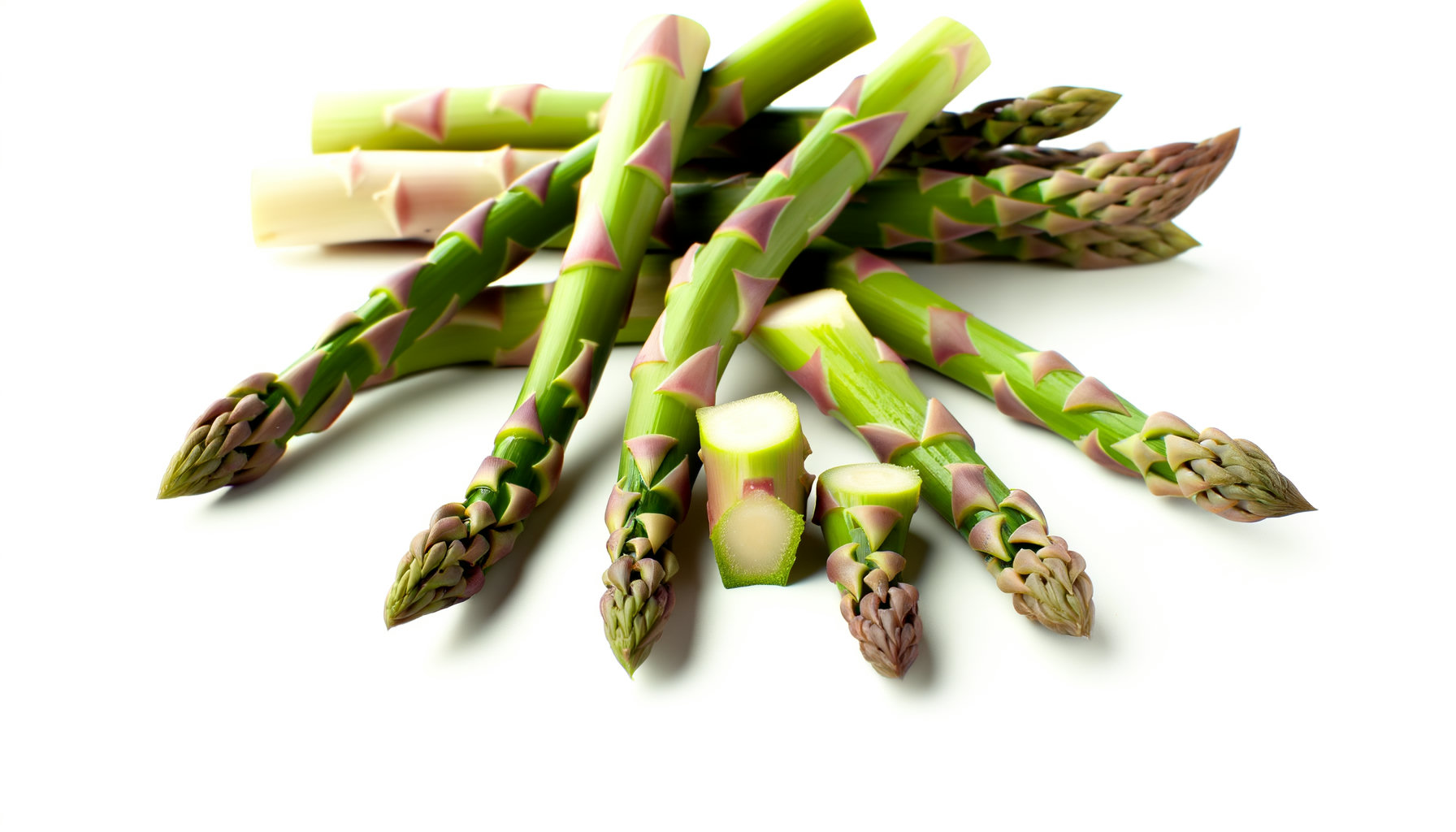
Asparagus
Asparagus officinalis
Sensory Profile
Tastes
Basic flavor profiles
Aromas
Scent characteristics
Stimuli
Sensory sensations
Textures
Physical properties
About Asparagus
Asparagus boasts a unique flavor that is often described as earthy and slightly sweet, with a hint of nuttiness. The tender spears have a crisp texture, and their taste can vary from grassy to slightly bitter, depending on the variety and preparation method. Asparagus is a versatile vegetable used in a wide range of culinary applications. It can be steamed, roasted, grilled, or sautéed, making it a popular addition to salads, pastas, and stir-fries. It pairs well with flavors such as lemon, garlic, and Parmesan cheese. Additionally, asparagus can be pickled or blended into soups and purees, enhancing dishes with its distinct flavor and vibrant green color. Native to the Mediterranean region, asparagus has been cultivated for thousands of years, with historical records dating back to ancient Egypt and Greece. It thrives in temperate climates and is now grown in various parts of the world, including the United States, Mexico, and Europe, where it is celebrated as a spring delicacy. Asparagus is characterized by its long, slender spears that can vary in color from green to purple and white, depending on the growing conditions. The green variety is the most common and is known for its high nutritional value, being rich in vitamins A, C, E, and K, as well as folate and fiber.
Associated health effects(10)
- Antioxidant
- Folate Source
- Cancer-Preventive
- Blood Sugar Support
- Vitamin K Source
- Dietary Fiber
- LDL Cholesterol Reduction
- Potassium
- Saponin-Mediated Cholesterol Reduction
- Anti-inflammatory
Nutrition per 100 g(4)
- Energy: 20 kcal
- Protein: 2.2 g
- Fat: 0.2 g
- Fiber: 2.1 g