
Avocado Sensory Map
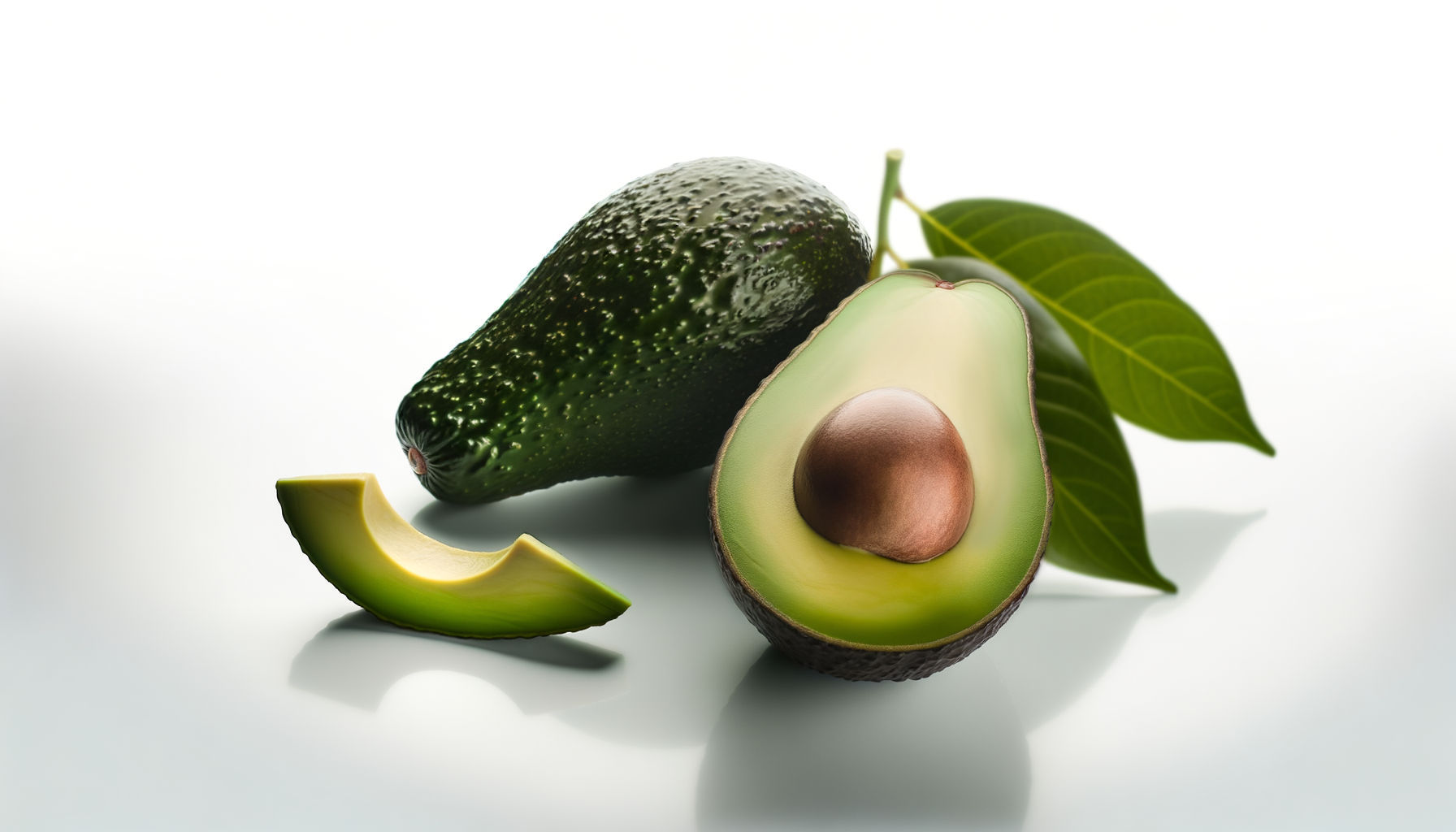
Avocado
Persea americana
Sensory Profile
Tastes
Basic flavor profiles
Aromas
Scent characteristics
Stimuli
Sensory sensations
Textures
Physical properties
About Avocado
Avocado boasts a rich, creamy texture with a mild, buttery flavor that is both nutty and slightly grassy. Its subtle taste allows it to complement a wide range of ingredients, making it a versatile addition to various dishes. Avocado is celebrated for its versatility in both savory and sweet applications. It is a staple in guacamole, salads, and sandwiches, and is often used as a spread in place of butter or mayonnaise. Additionally, it can be blended into smoothies for added creaminess, incorporated into desserts like chocolate mousse, or sliced atop toast for a nutritious breakfast. Its high-fat content makes it an excellent emulsifier in dressings and sauces. Native to south-central Mexico, the avocado has been cultivated for thousands of years, with evidence of its use dating back to 500 B.C. It thrives in warm climates and is now grown in various regions around the world, including California, Florida, and parts of South America. Avocado is unique among fruits due to its high fat content, primarily monounsaturated fats, which contribute to its creamy texture and health benefits. It is also rich in vitamins E, K, and B6, as well as potassium and fiber. The fruit's skin can vary in color from dark green to black, depending on the variety, while its flesh ranges from pale yellow to vibrant green. The avocado
Associated health effects(17)
- Blood Pressure Support
- Micronutrient Support
- Antioxidant
- Allergic Reactions
- Blood Sugar Support
- Vision Protection
- Digestive Irritation
- Skin Health
- Interaction with Medications
- Caloric Excess
- Prebiotic Support
- Cholesterol Management
- Weight Management
- Heart Health
- Digestive Aid
- Anti-inflammatory
- Cognitive Support
Nutrition per 100 g(4)
- Energy: 160 kcal
- Protein: 2 g
- Fat: 15 g
- Fiber: 7 g