
Bacon Sensory Map
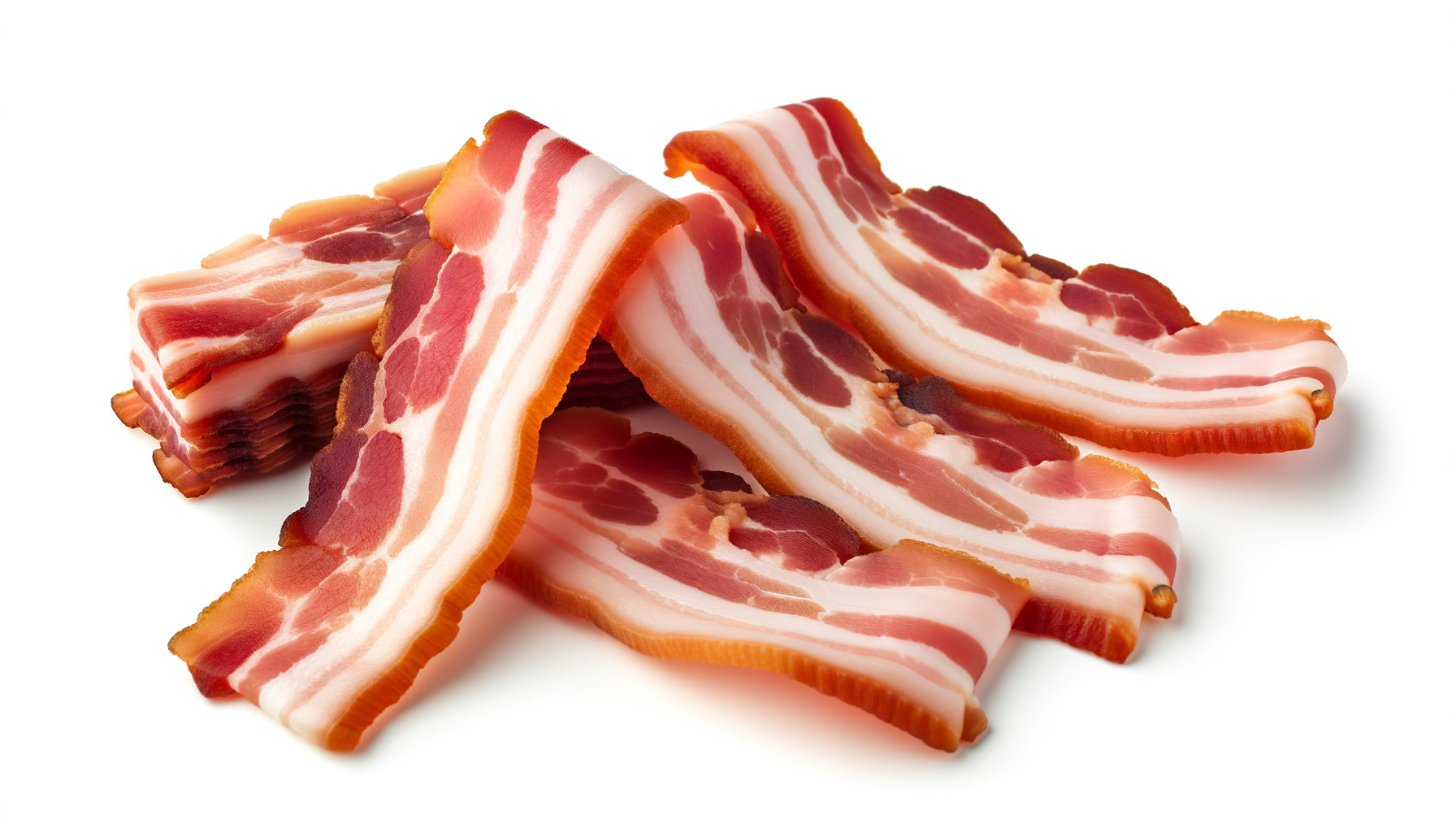
Bacon
Lardum
Sensory Profile
Tastes
Basic flavor profiles
Aromas
Scent characteristics
Stimuli
Sensory sensations
Textures
Physical properties
About Bacon
Bacon (Lardum) is a richly flavored cured meat derived primarily from the belly of the pig, characterized by its deep umami notes and a complex interplay of savory, smoky, and slightly sweet flavors. The aroma is intoxicatingly robust, often described as a warm, nutty scent with hints of caramelization, which wafts through the air when cooked, enticing diners and chefs alike. Its texture varies from crispy to tender, depending on the cooking method, with a satisfying mouthfeel that balances fat and protein, making it a beloved ingredient in many culinary traditions. In classic dishes such as **Bacon-Wrapped Scallops**, the bacon's fat renders during cooking, imparting a smoky richness that enhances the delicate sweetness of the scallops while creating a delightful contrast in textures. Similarly, in **Carbonara**, the rendered fat from guanciale (a traditional Italian cured pork cheek) or bacon emulsifies with the egg and cheese, creating a creamy sauce that clings to the pasta, showcasing the ingredient's ability to elevate simple components through its savory depth. Furthermore, in **Bacon Jam**, the slow-cooking process allows the sugars in the bacon to caramelize, resulting in a spread that marries the salty, smoky flavors with a sweet, sticky consistency, perfect for enhancing sandwiches or charcuterie boards. Originating from various cultures around the world, bacon holds significant cultural importance, particularly in regions like the American South, where it is often featured in breakfast dishes and comfort foods. Traditional production methods include dry curing with salt and spices, followed by smoking over hardwoods, which not only preserves the meat but also infuses it with distinctive flavors that vary by region and technique. What sets bacon apart is its unique combination of fat and protein, which, when rendered, creates a flavorful base for countless dishes. The Maillard reaction during cooking enhances its savory notes, while the fat contributes to mouthfeel and moisture, making it an indispensable ingredient in both classic and contemporary cuisine. Bacon's ability to transform and elevate dishes through its complex flavor profile and textural versatility solidifies its status as a cornerstone of culinary excellence.
Associated health effects(42)
- Zinc
- Micronutrient Support
- Hypertension
- Selenium Status Improvement
- Potential Additive-Induced Gut Disturbance
- Keto Diet Compatibility
- Chronic Disease Risk
- Dose-Dependent Effects
- Processed Meat Dose-Dependent Risk
- Saturated Fat and Cholesterol
- Cardiovascular Risk
- LDL and Total Cholesterol Elevation
- Cancer Risk
- Sodium Content
- No Unique Nutritional Advantage
- Processed Poultry Carcinogenicity
- Taurine Content Support
- High Sodium Content
- Foodborne Infection Risk
- Iron Content Support
- At-Risk Populations
- Gastric Irritation
- High Saturated Fat Content
- Monounsaturated Fatty Acid Support
- Obesity and Weight Gain
- Blood Pressure Elevation
- Phosphorus
- Nitrosamine Exposure
- Protein Content
- Premature Mortality
- Colorectal Cancer Risk
- N-nitroso Compound Exposure
- PAH Exposure
- B Vitamin Nervous System Support
- Potassium
- Stomach Cancer Risk
- Choline Content Support
- Weight Gain
- Magnesium
- Sodium Overload
- Type 2 Diabetes Risk
- Complete Protein Profile
Nutrition per 100 g(4)
- Energy: 500 kcal
- Protein: 37 g
- Fat: 42 g
- Fiber: 0 g