
Bael Fruit Sensory Map
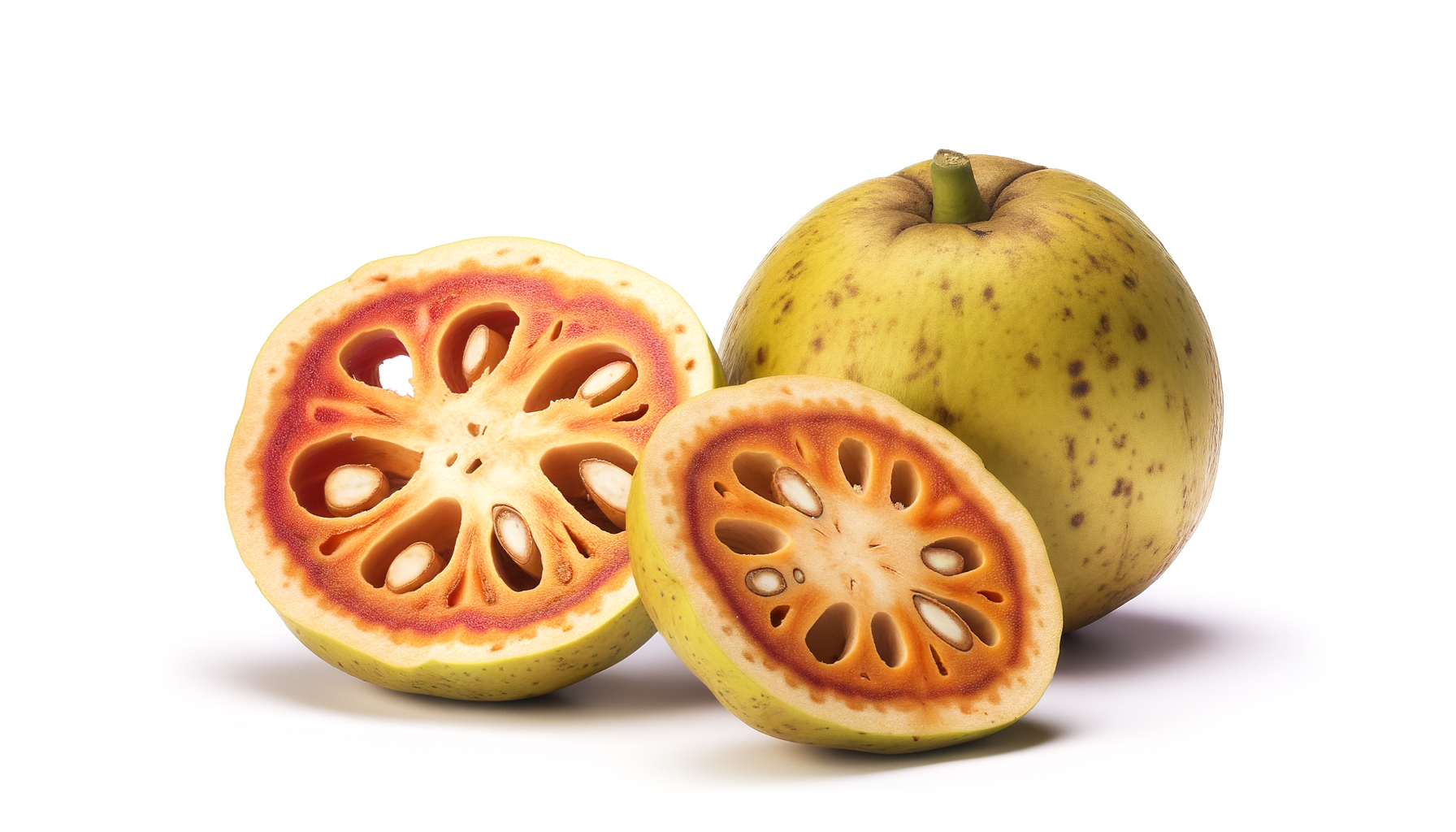
Bael Fruit
Aegle marmelos
Sensory Profile
Tastes
Basic flavor profiles
Aromas
Scent characteristics
Stimuli
Sensory sensations
Textures
Physical properties
About Bael Fruit
Bael fruit presents a unique and complex flavor, characterized by a sweet, aromatic profile with hints of citrus and a subtle bitterness. The pulp is often described as fragrant and slightly musky, making it a delightful addition to both sweet and savory dishes. In culinary applications, bael fruit is versatile. It can be consumed fresh, dried, or juiced, and is commonly used in traditional Indian sweets, jams, and beverages. The dried pulp is often ground into a powder and used to flavor desserts or mixed into smoothies. In savory dishes, it can be incorporated into curries or used as a natural thickener due to its gelatinous texture when cooked. Bael fruit is native to the Indian subcontinent and is widely cultivated in tropical and subtropical regions, including Southeast Asia. Revered in Hindu culture, the tree is often associated with religious rituals and traditional medicine, highlighting its cultural significance beyond culinary uses. The bael tree is notable for its rugged, thorny trunk and large, heart-shaped leaves. The fruit itself is round, with a hard, woody shell that encases a fragrant, orange-yellow pulp filled with seeds. Its medicinal properties are well-documented, with uses in traditional Ayurvedic practices for digestive health and respiratory ailments. The fruit's unique aroma and flavor, combined with its health benefits, make ba
Associated health effects(39)
- Insulin Sensitivity Enhancement
- Micronutrient Density
- Anti-ulcer Activity
- Constipation Relief
- Potential Additive Hypoglycemia
- Antioxidant
- Cardiovascular Health
- Dose-Dependent Effects
- Analgesic Activity
- Blood Pressure Reduction
- Vitamin Content Support
- IBS Symptom Relief
- Nutritional Advantages
- Wound Healing
- Alpha-amylase Inhibition
- Blood Cholesterol Reduction
- Blood Sugar Support
- Cell Toxicity
- Radioprotective Activity
- Blood Sugar Regulation
- Immune Booster
- Mineral Content
- Hepatoprotection
- Polysaccharide Immune Modulation
- Dietary Fiber
- Interaction with Medications
- Gastrointestinal Discomfort
- Antidiarrheal Activity
- Digestive Protection
- Gastroprotection
- Antibacterial
- Fiber Content
- Gastrointestinal Distress
- Antiviral
- Digestive Aid
- Insulin Sensitivity Support
- Digestive Health
- Anticancer Potential
- Anti-inflammatory
Nutrition per 100 g(4)
- Energy: 104 kcal
- Protein: 2 g
- Fat: 0.6 g
- Fiber: 5 g