
Baking Powder Sensory Map
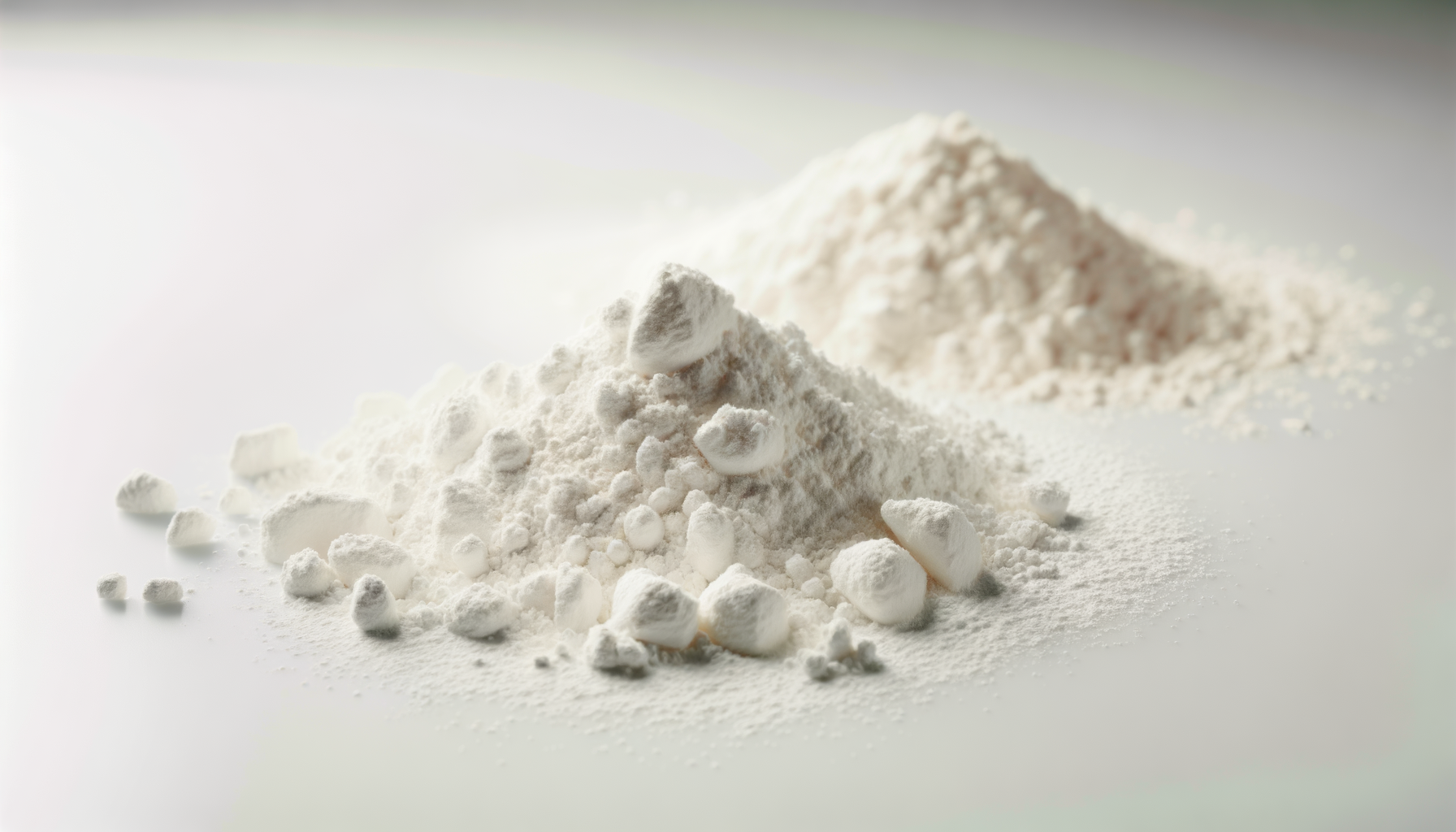
Baking Powder
Pulvis fermenti
Sensory Profile
Tastes
Basic flavor profiles
Aromas
Scent characteristics
Stimuli
Sensory sensations
Textures
Physical properties
About Baking Powder
Baking powder is a leavening agent that is predominantly neutral in flavor, allowing it to blend seamlessly into a variety of baked goods without altering their taste. However, it can impart a slight metallic or alkaline note if used in excess. Baking powder is essential in the preparation of baked goods such as cakes, muffins, pancakes, and biscuits. It works by releasing carbon dioxide gas when moistened and heated, causing the dough or batter to rise and achieve a light, airy texture. It is particularly favored for recipes that require a quick rise, as it eliminates the need for yeast and long fermentation times. Baking powder was developed in the 19th century as a convenient alternative to traditional yeast leavening. Its invention is attributed to the chemist Alfred Bird, who created a mixture of sodium bicarbonate and cream of tartar. The commercial production of baking powder began in the 1850s, revolutionizing baking practices and making it accessible for home cooks. Baking powder typically comes in two varieties: single-acting and double-acting. Single-acting baking powder releases gas upon hydration, while double-acting baking powder releases gas in two phases—once when mixed with liquid and again when exposed to heat. This dual action provides greater flexibility and reliability in baking. It is important to store baking powder in a
Associated health effects(7)
- Kidney Stress
- Oral Mucosal Soothing
- Gastroesophageal Relief
- Interaction with Medications
- Metabolic Alkalosis
- Gastrointestinal Distress
- Sodium Overload
Nutrition per 100 g(4)
- Energy: 0 kcal
- Protein: 0 g
- Fat: 0 g
- Fiber: 0 g