
Baking Soda Sensory Map
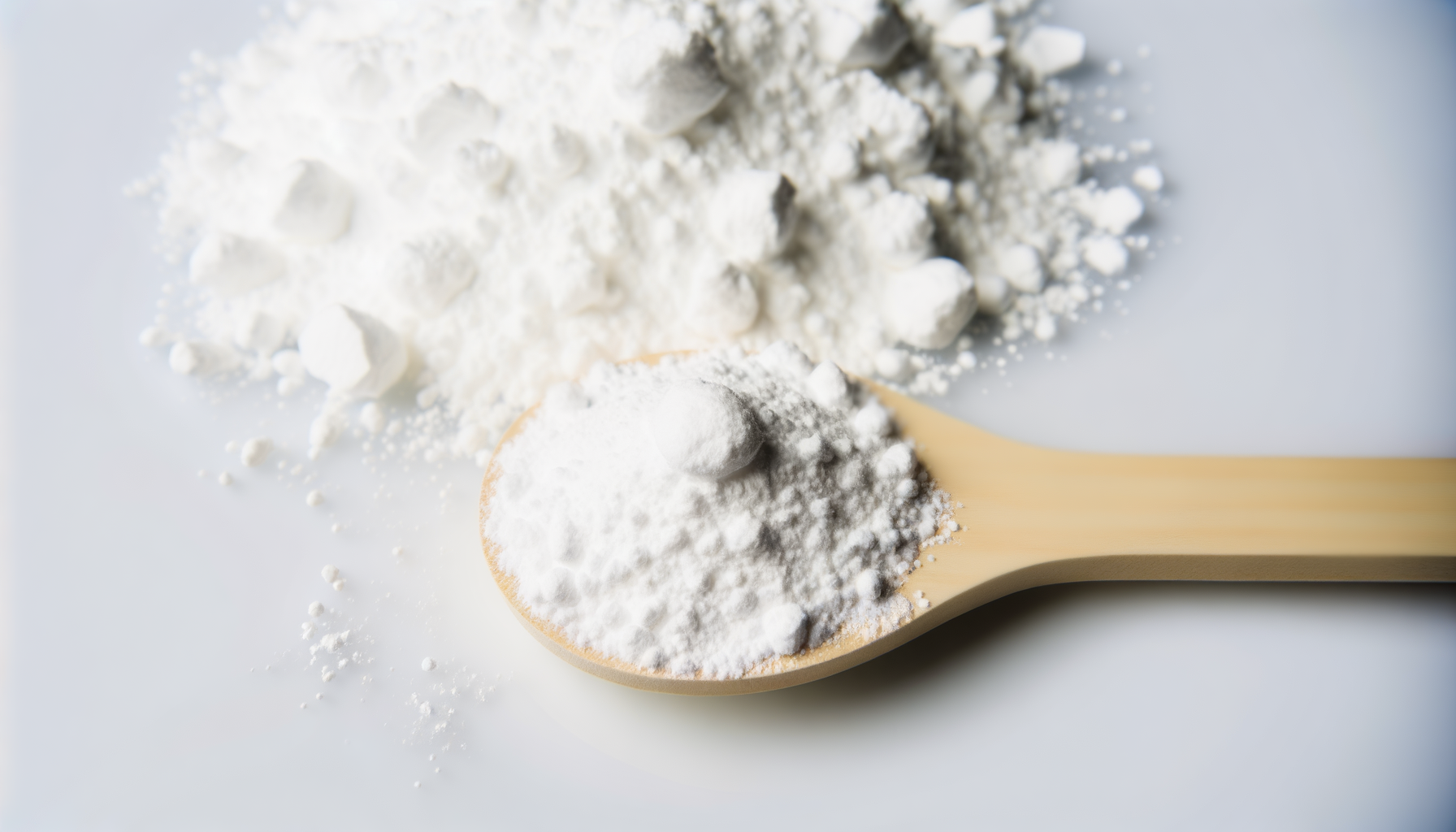
Baking Soda
Bicarbonatis sodii
Sensory Profile
Tastes
Basic flavor profiles
Aromas
Scent characteristics
Stimuli
Sensory sensations
Textures
Physical properties
About Baking Soda
Baking soda is a white crystalline powder with a slightly alkaline taste. While it does not impart a significant flavor on its own, it can enhance the overall taste of baked goods by neutralizing acidity and contributing to a balanced flavor profile. Primarily used as a leavening agent, baking soda reacts with acidic ingredients (such as buttermilk, yogurt, or vinegar) to produce carbon dioxide gas, which causes doughs and batters to rise. It is essential in recipes for cookies, cakes, and quick breads. Additionally, baking soda can be employed in tenderizing meats, as a cleaning agent for vegetables, and in some recipes to achieve a crispy texture in fried foods. Baking soda is a naturally occurring mineral known as nahcolite, found in deposits around the world, particularly in the United States, Canada, and parts of Europe. Its use dates back to ancient civilizations, where it was utilized for various purposes, including cooking and medicinal applications. Baking soda is highly versatile and an essential ingredient in many kitchens. It is known for its quick-acting properties, making it ideal for recipes that require immediate leavening. When stored in a cool, dry place, it has a long shelf life, although it can lose potency over time. Its ability to neutralize odors also makes it a popular choice for
Associated health effects(47)
- Kidney Stress
- Kidney Damage Risk
- Drug Interactions
- Oral Cavity pH Modulation
- Dose-Dependent Effects
- Oral Mucosal Soothing
- Oral Cavity pH Alkalinization
- Culinary Leavening Activity
- Nephroprotection
- Nutrient Destruction
- Stomach Rupture Risk
- Chemotherapy Mouth Rinse
- Acute Side Effects
- Sodium Content
- Gastrointestinal Toxicity
- No Unique Nutritional Advantage
- Drug Absorption Interference
- Rapid Electrolyte Shifts
- Electrolyte Disturbance
- Arrhythmia Risk Elevation
- Acid-Driven Urinary Alkalinization
- High Sodium Content
- Gastroesophageal Relief
- Heat Stress Protection
- Kidney Support
- Muscle Endurance Enhancement
- Skin Health
- Interaction with Medications
- Cardiac Arrhythmia Risk Elevation
- Dehydration
- Gastrointestinal Discomfort
- Blood Pressure Elevation
- Acid Neutralization
- Sodium Load-Induced Blood Pressure Elevation
- Food Safety Enhancement
- Exercise Endurance Enhancement
- Nutrient Interference
- Metabolic Alkalosis
- Hypokalemia Risk
- Gastric Gas Production
- Gastrointestinal Distress
- Sodium Overload
- High Sodium Content and Electrolyte Imbalances
- Gastrointestinal Irritation
- Metabolic Acidosis Reduction
- Anti-inflammatory
- Muscle Recovery Enhancement
Nutrition per 100 g(4)
- Energy: 0 kcal
- Protein: 0 g
- Fat: 0 g
- Fiber: 0 g