
Balsamic Vinegar Sensory Map
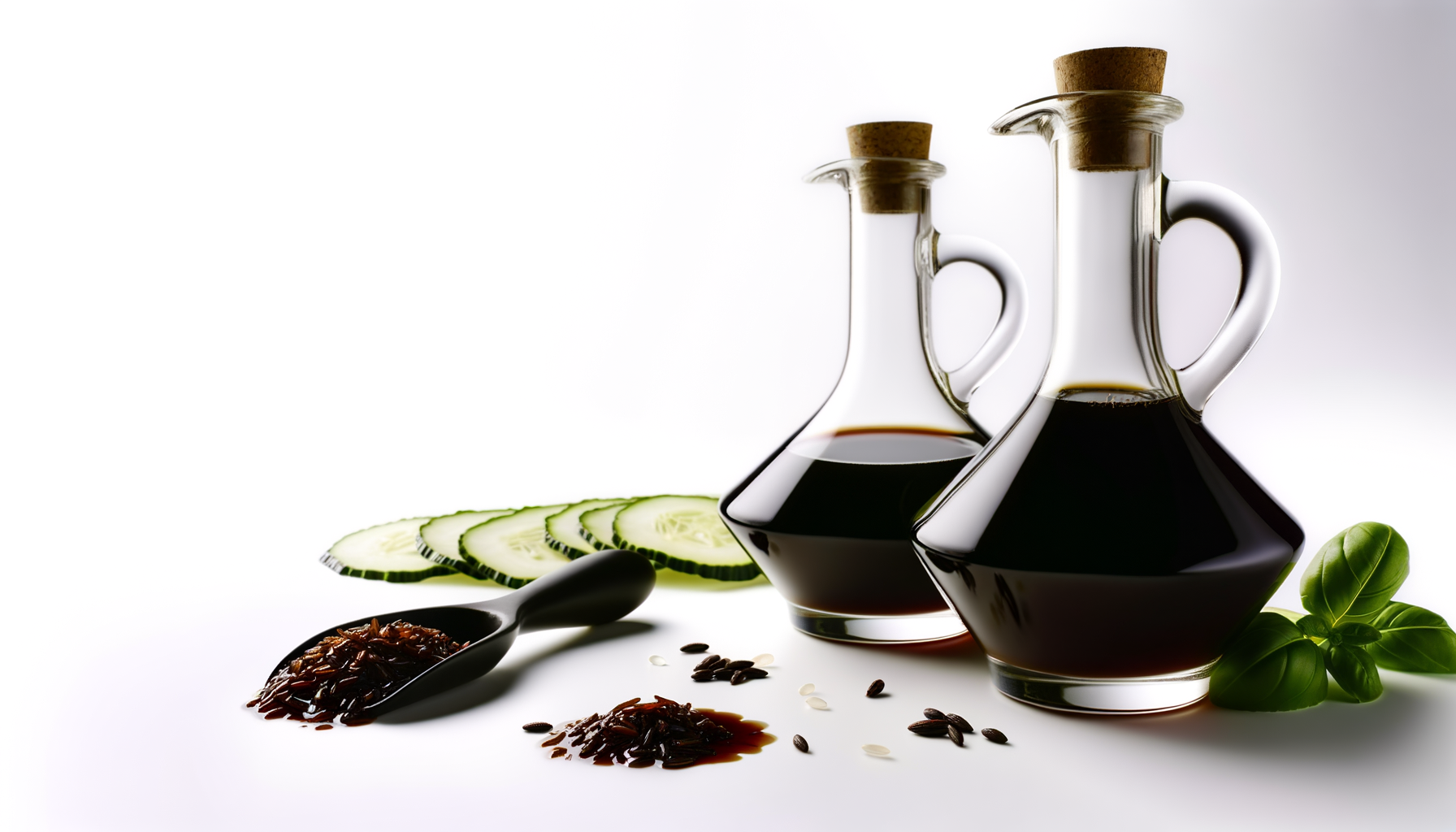
Balsamic Vinegar
Vitis vinifera
Sensory Profile
Tastes
Basic flavor profiles
Aromas
Scent characteristics
Stimuli
Sensory sensations
Textures
Physical properties
About Balsamic Vinegar
Balsamic vinegar is renowned for its complex flavor profile, characterized by a harmonious balance of sweetness and acidity. It offers rich notes of dark fruits, particularly figs and cherries, with undertones of woodiness and a subtle tang. The aging process contributes to its syrupy consistency and depth of flavor, making it both versatile and distinctive. Balsamic vinegar is a staple in Italian cuisine, frequently used in salad dressings, marinades, and glazes. It enhances the flavor of roasted vegetables, meats, and seafood, and is often drizzled over fresh fruits, cheeses, or desserts for a gourmet touch. Its versatility extends to being used as a finishing touch on dishes, adding a layer of complexity to sauces and reductions. Originating from Modena and Reggio Emilia in Italy, authentic balsamic vinegar is produced from the must of freshly crushed grapes, typically Trebbiano and Lambrusco. The traditional production method involves aging the vinegar in a series of wooden barrels, which can range from several years to several decades, imparting unique flavors and characteristics to the final product. True balsamic vinegar is distinguished by its thick, syrupy texture and deep, dark color, which can range from mahogany to near-black. The aging process not only enhances its flavor but also develops a complex aroma
Associated health effects(42)
- Polyphenol Antioxidant Activity
- Blood Pressure Support
- Gastrointestinal Enzyme Activity Enhancement
- Circulation Support
- Satiety Enhancement
- Insulin Sensitivity Enhancement
- Polyphenol-Mediated LDL Oxidation Reduction
- Melanoidin Prebiotic Activity
- Acidity-Induced Heartburn
- Constipation Relief
- Antioxidant
- Allergic Reactions
- Cardiovascular Health
- Dose-Dependent Effects
- Acidity-Induced Gastric Irritation
- Fermentation-Enhanced Prebiotic Activity
- Blood Pressure Reduction
- Alpha-amylase Inhibition
- Blood Cholesterol Reduction
- Blood Sugar Support
- Blood Sugar Regulation
- Polyphenol-Mediated Antioxidant Activity
- Digestive Enzyme Stimulation
- Digestive Irritation
- No Evidence of Toxicity, Heavy Metals, or Contaminants
- Skin Health
- Dental Enamel Erosion
- Dental Erosion
- Bone Health
- Cholesterol Management
- Antiglycemic Activity
- Alpha-glucosidase Inhibition
- Weight Management
- Anti-aging Activity
- Melanoidin-Mediated Prebiotic Activity
- LDL Cholesterol Reduction
- Enhanced Nutrient Absorption
- Heart Health
- Lipid Metabolism Support
- Digestive Aid
- Digestive Health
- Anti-inflammatory
Nutrition per 100 g(4)
- Energy: 70 kcal
- Protein: 0.5 g
- Fat: 0.1 g
- Fiber: 0 g