
Bamboo Shoots Sensory Map
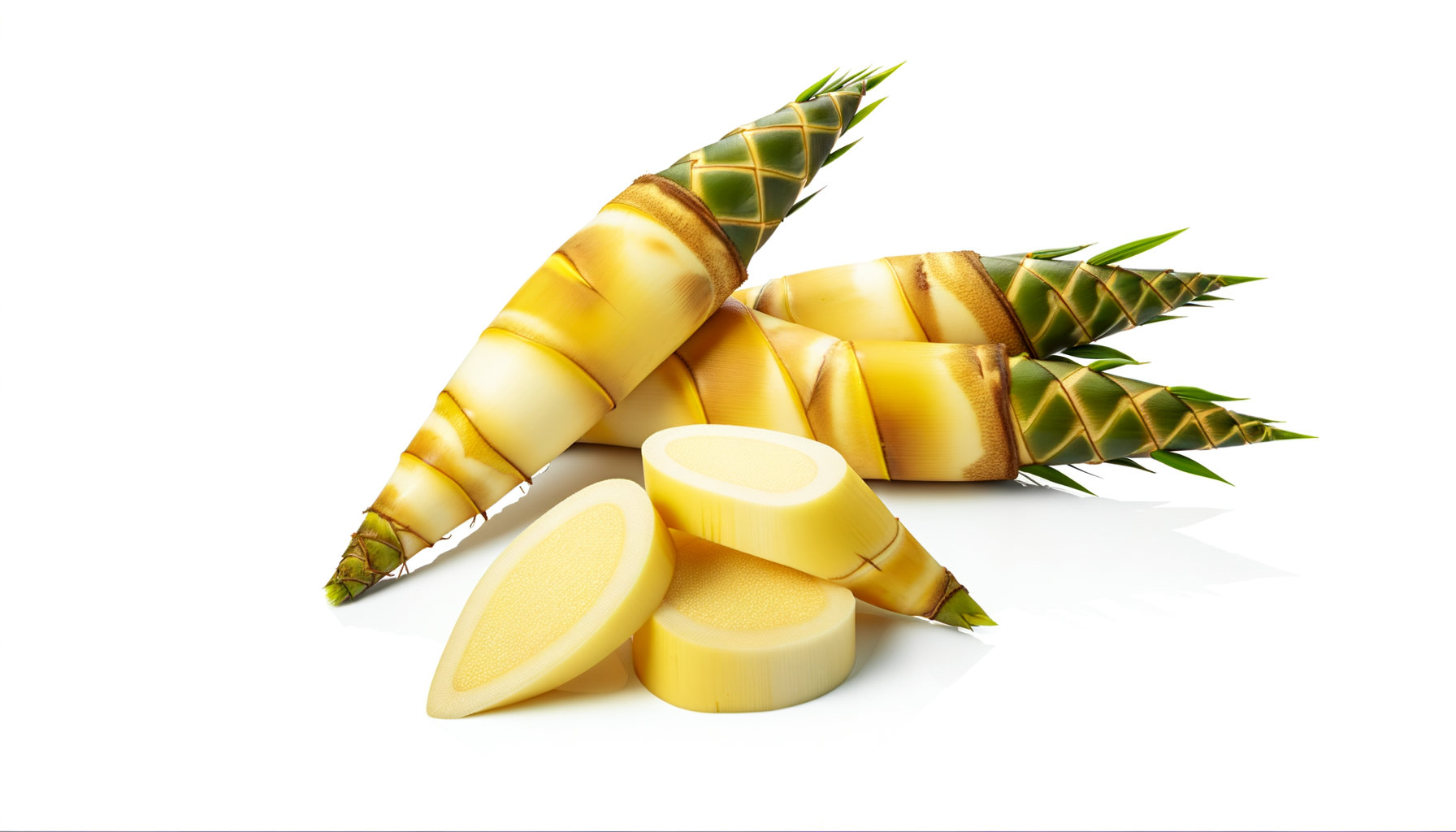
Bamboo Shoots
Bambusa vulgaris
Sensory Profile
Tastes
Basic flavor profiles
Aromas
Scent characteristics
Stimuli
Sensory sensations
Textures
Physical properties
About Bamboo Shoots
Bamboo shoots possess a mild, slightly sweet flavor with a crisp, crunchy texture. Their taste is often described as subtly earthy, with a hint of nuttiness, making them a versatile ingredient in various dishes. Bamboo shoots are widely used in Asian cuisines, particularly in Chinese, Thai, and Japanese cooking. They can be found in stir-fries, soups, salads, and curries. Fresh bamboo shoots are often sliced or julienned and can be enjoyed raw in salads or pickled for added tang. Canned bamboo shoots are also popular and are commonly added to dishes for texture and flavor. Their ability to absorb surrounding flavors makes them an excellent addition to savory dishes. Bamboo shoots are the young, edible shoots of bamboo plants, primarily belonging to the genus Bambusa. They are native to tropical and subtropical regions of Asia, with significant cultivation in countries such as China, India, Thailand, and Japan. The harvesting of bamboo shoots typically occurs in spring, when the shoots are tender and at their peak flavor. Bamboo shoots are characterized by their pale yellow to cream color and cylindrical shape, tapering to a point. Fresh shoots have a tough outer layer that must be peeled away to reveal the tender inner core. They are rich in dietary fiber, low in calories, and contain essential nutrients.
Associated health effects(8)
- Short-Chain Fatty Acid Production
- Cyanogenic Glycoside Toxicity
- Blood Sugar Support
- Cholesterol Management
- Food Safety Enhancement
- Weight Management
- Digestive Aid
- Anti-inflammatory
Nutrition per 100 g(4)
- Energy: 20 kcal
- Protein: 2.5 g
- Fat: 0.2 g
- Fiber: 2.2 g