
Barley Sensory Map
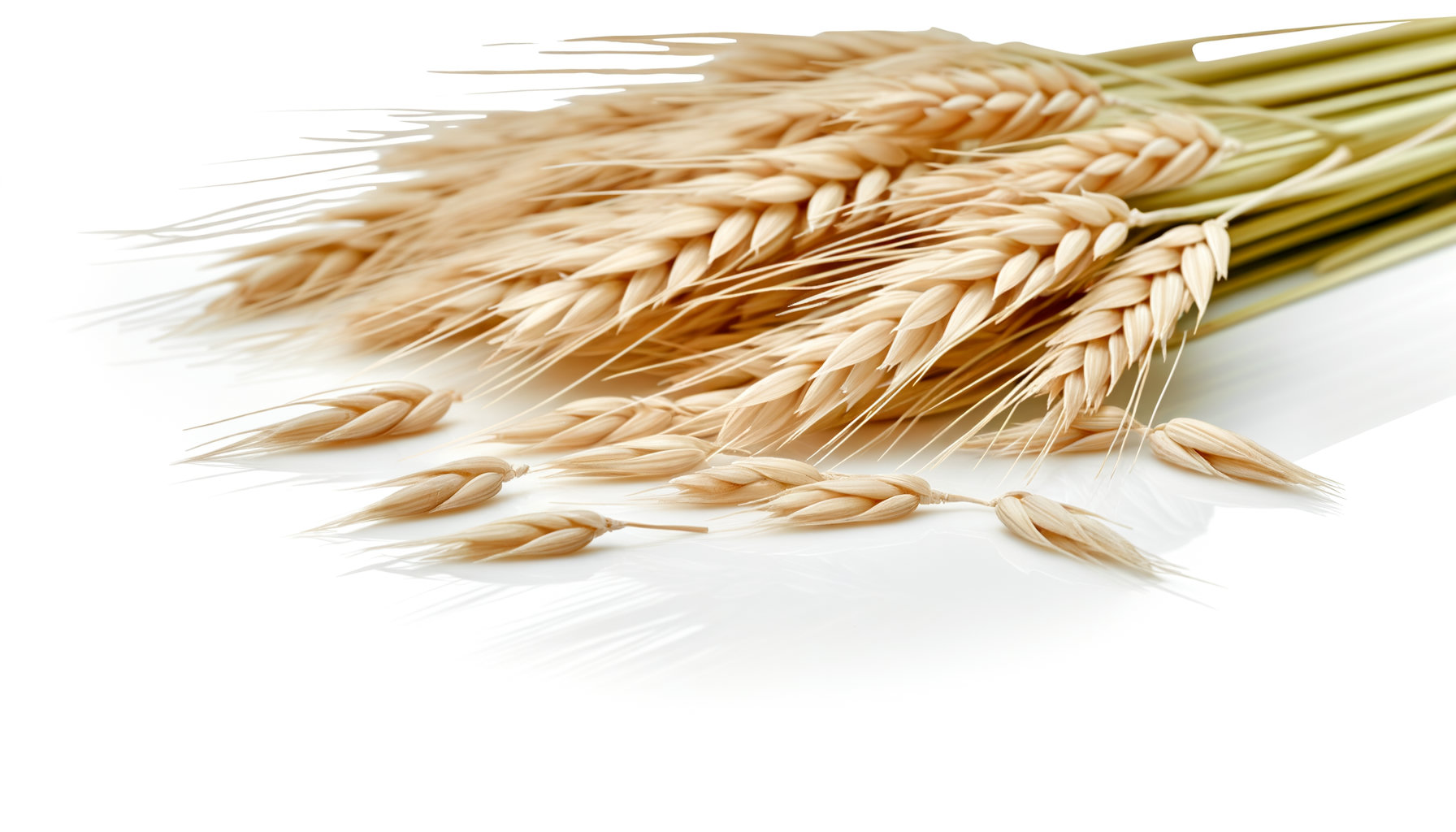
Barley
Hordeum vulgare
Sensory Profile
Tastes
Basic flavor profiles
Aromas
Scent characteristics
Stimuli
Sensory sensations
Textures
Physical properties
About Barley
Barley has a mild, nutty flavor with a slightly chewy texture. Its taste can vary depending on the variety, with some types exhibiting a subtle sweetness and others a more earthy, robust profile. When cooked, barley absorbs flavors well, making it a versatile ingredient in various dishes. Barley is a versatile grain commonly used in soups, stews, salads, and as a side dish. It can be found in both whole grain and pearled forms; whole barley retains more nutrients and has a firmer texture, while pearled barley cooks faster and has a softer bite. Barley is also a key ingredient in brewing beer and can be used to make malt, adding depth and sweetness to baked goods. Additionally, barley flour is used in various baking applications, providing a unique flavor and nutritional benefit. Barley is one of the oldest cultivated grains, believed to have originated in the Fertile Crescent of the Middle East over 10,000 years ago. It has since spread globally, thriving in diverse climates and becoming a staple in many cultures, particularly in Europe, Asia, and North Africa. Barley is notable for its high fiber content, particularly beta-glucans, which are beneficial for heart health. It is also rich in vitamins and minerals, including B vitamins, iron, and magnesium.
Associated health effects(12)
- Blood Pressure Support
- Stroke Prevention
- Short-Chain Fatty Acid Production
- IBS Symptom Relief
- Blood Sugar Support
- Dietary Fiber
- Cholesterol Management
- HDL Cholesterol
- LDL Cholesterol Reduction
- Beta-Glucan Prebiotic Support
- Triglyceride Reduction
- Gluten Content
Nutrition per 100 g(4)
- Energy: 354 kcal
- Protein: 12.5 g
- Fat: 1.2 g
- Fiber: 17.3 g