
Basil Sensory Map
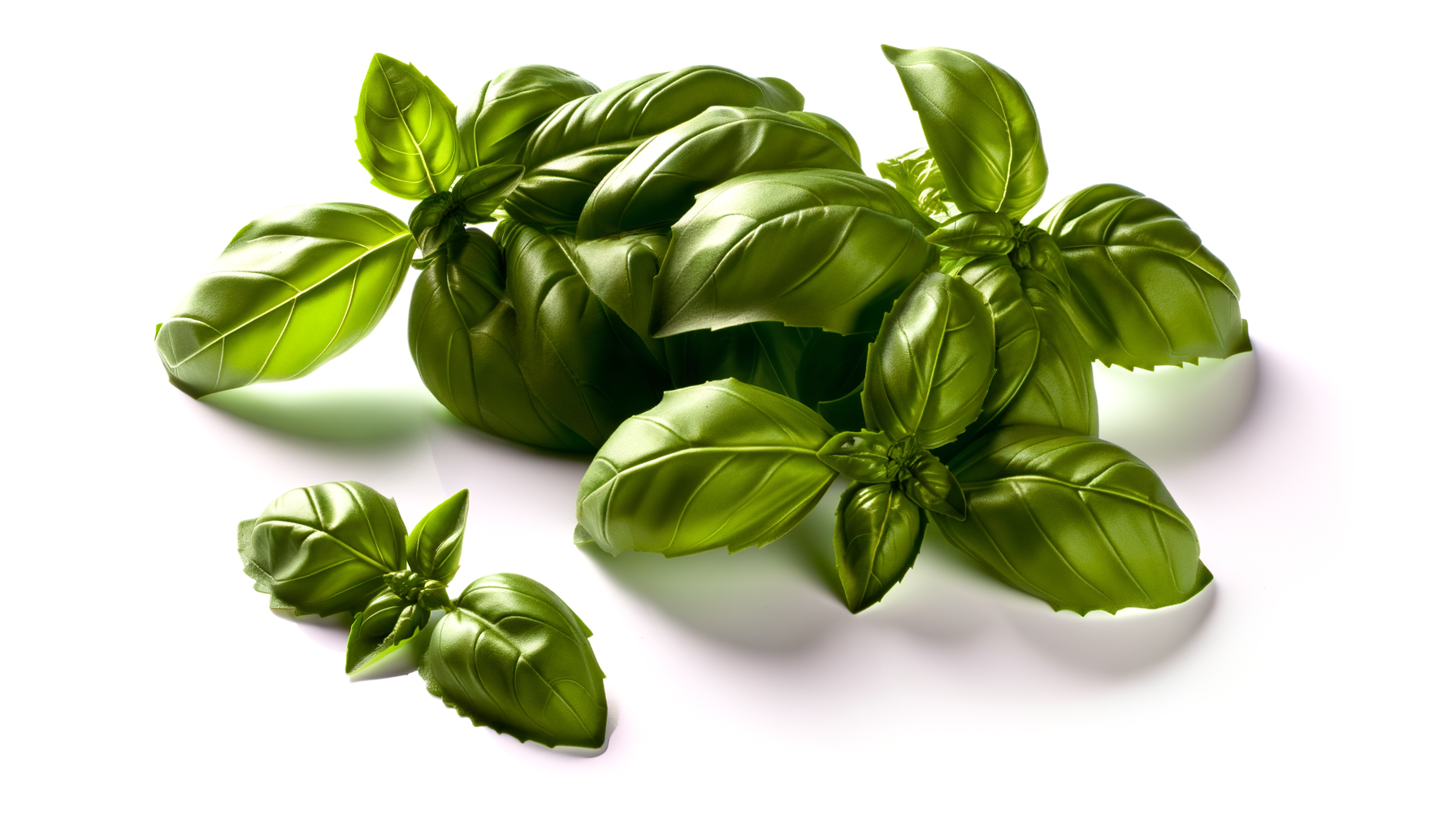
Basil
Ocimum basilicum
Sensory Profile
Tastes
Basic flavor profiles
Aromas
Scent characteristics
Stimuli
Sensory sensations
Textures
Physical properties
About Basil
Basil is renowned for its aromatic, sweet, and slightly peppery flavor, with hints of mint and clove. Its fresh, vibrant taste is often described as herbaceous and uplifting, making it a beloved herb in various culinary traditions. Basil is a staple in Mediterranean cuisine, particularly in Italian dishes such as pesto, Caprese salad, and tomato-based sauces. It pairs beautifully with tomatoes, garlic, and olive oil, enhancing the overall flavor profile of dishes. Fresh basil is often used as a finishing herb, added just before serving to preserve its delicate flavor, while dried basil is commonly used in marinades, soups, and stews. Native to tropical regions of Central Africa and Southeast Asia, basil has been cultivated for thousands of years. It holds cultural significance in many countries, including India, where it is revered in Hindu tradition. The herb was introduced to Europe in the 16th century and has since become integral to various cuisines worldwide. Basil is characterized by its bright green, tender leaves that can vary in shape and size, depending on the variety. Sweet basil is the most common type, but there are many cultivars, including Thai basil, which has a spicier flavor and a hint of anise, and purple basil, known for its striking color and slightly milder taste. Basil thrives in warm climates
Associated health effects(76)
- Safety and Toxicity
- Micronutrient Support
- Diet Quality Improvement
- Micronutrient Density
- Anti-arthritic
- Lutein and Zeaxanthin Provision
- Drug Interactions
- Beta-Carotene-Mediated Vitamin A Support
- Cardiovascular Protection
- Antioxidant
- Allergic Reactions
- Cardiovascular Health
- Culinary Herb Potassium Contribution
- Estragole Exposure Risk
- Culinary Herb Vitamin A Contribution
- Blood Pressure Reduction
- Anti-anxiety Effects
- Nutritional Advantages
- Wound Healing
- Cancer-Preventive
- Antifungal
- Lipid Profile Improvement
- Blood Cholesterol Reduction
- Anthocyanin Provision
- Blood Sugar Support
- Culinary Herb Vitamin K Contribution
- Vitamin K Source
- Vitamin K Support
- Gastrointestinal Mucosal Protection
- Antidiabetic Activity
- Blood Sugar Regulation
- Immune Booster
- Culinary Herb Sweet Basil Allergy Risk
- Culinary Herb Phytonutrient Contribution
- Rosmarinic Acid-Mediated Liver Protection
- Immune Modulation
- Vision Protection
- Culinary Herb Folate Contribution
- Flavor and Culinary Use
- Mood Enhancement
- Mood and Sleep Quality Enhancement
- Iron Content Support
- Estragole Toxicity
- No Evidence of Toxicity, Heavy Metals, or Contaminants
- Hepatoprotection
- Adaptogenic Activity
- Essential Oil-Induced Gastrointestinal Irritation
- Skin Health
- Interaction with Medications
- Allergic Reaction Risk
- Vitamin K Content Support
- Bone Health
- Cholesterol Management
- Rosmarinic Acid Support
- Stress Relief
- Estragole and Methyleugenol Toxicity
- Culinary Herb Polyphenol Contribution
- Culinary Herb Nutrient Density
- Gastroprotection
- Alpha-glucosidase Inhibition
- Culinary Herb Vitamin C Contribution
- Antibacterial
- Emmenagogue Activity
- Beta-Carotene-Mediated Eye Health Support
- Neuroprotection
- Heart Health
- Contact Dermatitis
- Eugenol-Mediated Anti-inflammatory Activity
- Magnesium
- Lipid Metabolism Support
- Digestive Aid
- Culinary Essential Oil Antimicrobial Activity
- Anticancer Potential
- Anti-inflammatory
- Carminative
- Cognitive Support
Nutrition per 100 g(4)
- Energy: 27 kcal
- Protein: 3.2 g
- Fat: 0.6 g
- Fiber: 1.6 g