
Basmati Rice Sensory Map
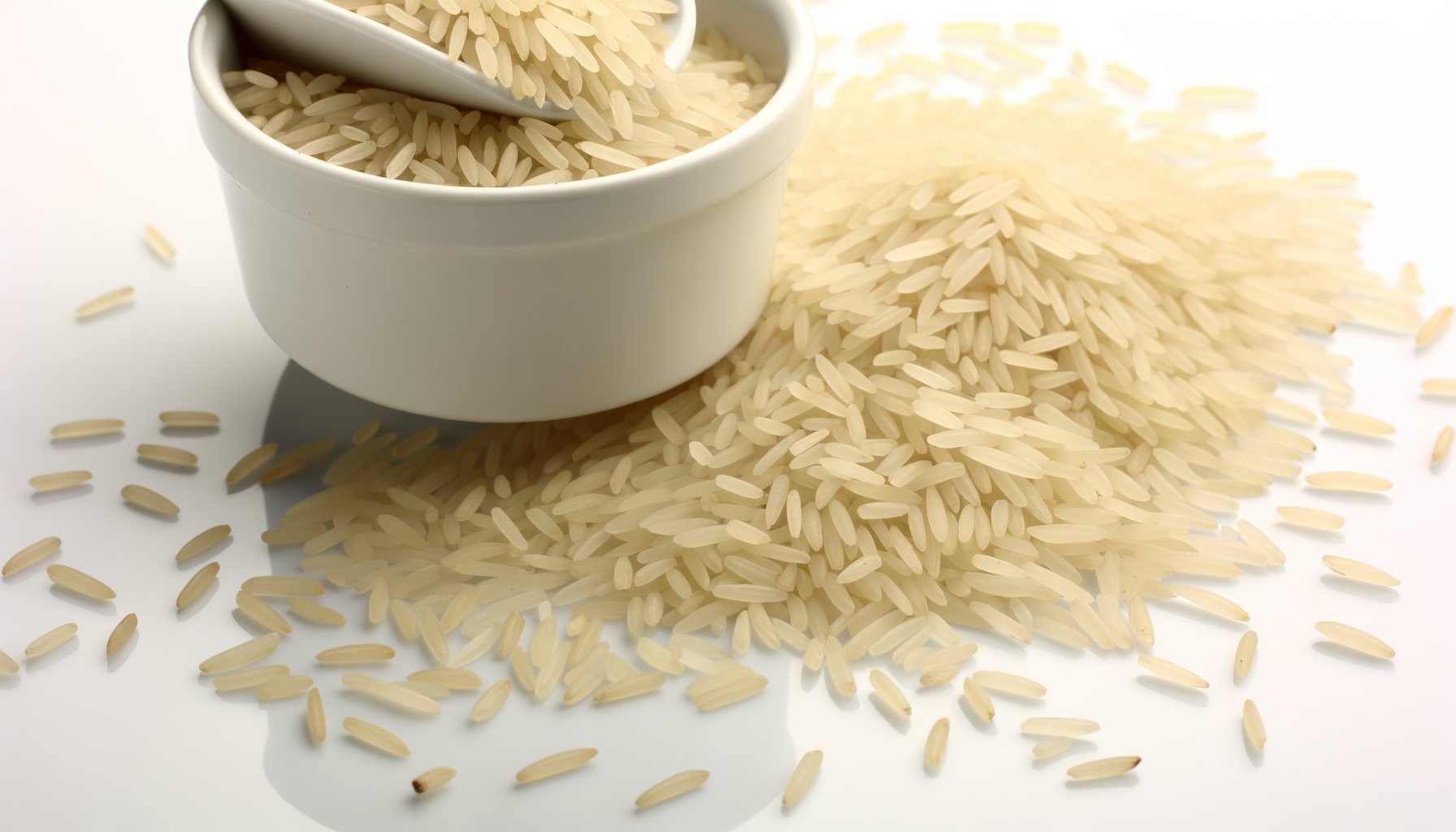
Basmati Rice
Oryza sativa
Sensory Profile
Tastes
Basic flavor profiles
Aromas
Scent characteristics
Stimuli
Sensory sensations
Textures
Physical properties
About Basmati Rice
Basmati Rice (Oryza sativa), a member of the Poaceae family, is renowned for its long, slender grains and distinctive aromatic profile, which features a delicate, nutty fragrance with subtle floral undertones reminiscent of jasmine. When cooked, Basmati transforms into fluffy, separate grains that offer a tender yet slightly firm texture, making it an ideal companion for a variety of dishes. Its unique flavor and aroma are attributed to the presence of 2-acetyl-1-pyrroline, a compound that enhances its culinary appeal, particularly in iconic dishes such as Biryani, where the rice absorbs the rich spices and meats, creating a harmonious balance of flavors, and in Pulao, where its ability to remain distinct and non-sticky allows for a visually appealing presentation. Originating from the foothills of the Himalayas, particularly in regions of India and Pakistan, Basmati holds significant cultural importance, often featured in traditional celebrations and feasts, reflecting the agricultural heritage of these areas. The traditional production methods involve careful cultivation and aging processes; aged Basmati, typically stored for a year or more, develops a deeper flavor profile and improved cooking qualities, as the moisture content decreases, allowing for a firmer grain that cooks to perfection. What sets Basmati apart is not only its aromatic and textural qualities but also its low glycemic index, making it a preferred choice for health-conscious consumers, while its unique chemical composition allows it to absorb flavors beautifully, enhancing the overall culinary experience.
Associated health effects(35)
- Zinc
- Blood Sugar Spikes
- Glycemic Index Modulation
- Satiety Enhancement
- Micronutrient Density
- Low Arsenic Exposure
- Heavy Metal Accumulation
- Arsenic Accumulation
- Phytate Mineral Bioavailability Reduction
- Antioxidant
- Short-Chain Fatty Acid Production
- Blood Pressure Reduction
- Folate Source
- Type 2 Diabetes Prevention
- Refining and micronutrient loss
- Blood Sugar Support
- Antidiabetic Activity
- Blood Sugar Regulation
- Thiamin
- Dietary Fiber
- Cholesterol Management
- Brain Health
- Gluten-Free Nature
- Weight Management
- B Vitamin Nervous System Support
- LDL Cholesterol Reduction
- Trace Mineral Content Support
- Potassium
- Triglyceride Reduction
- Heart Health
- Colorectal Cancer Risk Reduction
- Magnesium
- Type 2 Diabetes Risk
- Digestive Health
- Resistant Starch Prebiotic Support
Nutrition per 100 g(4)
- Energy: 365 kcal
- Protein: 8 g
- Fat: 0.6 g
- Fiber: 1 g