
Beetroot Sensory Map
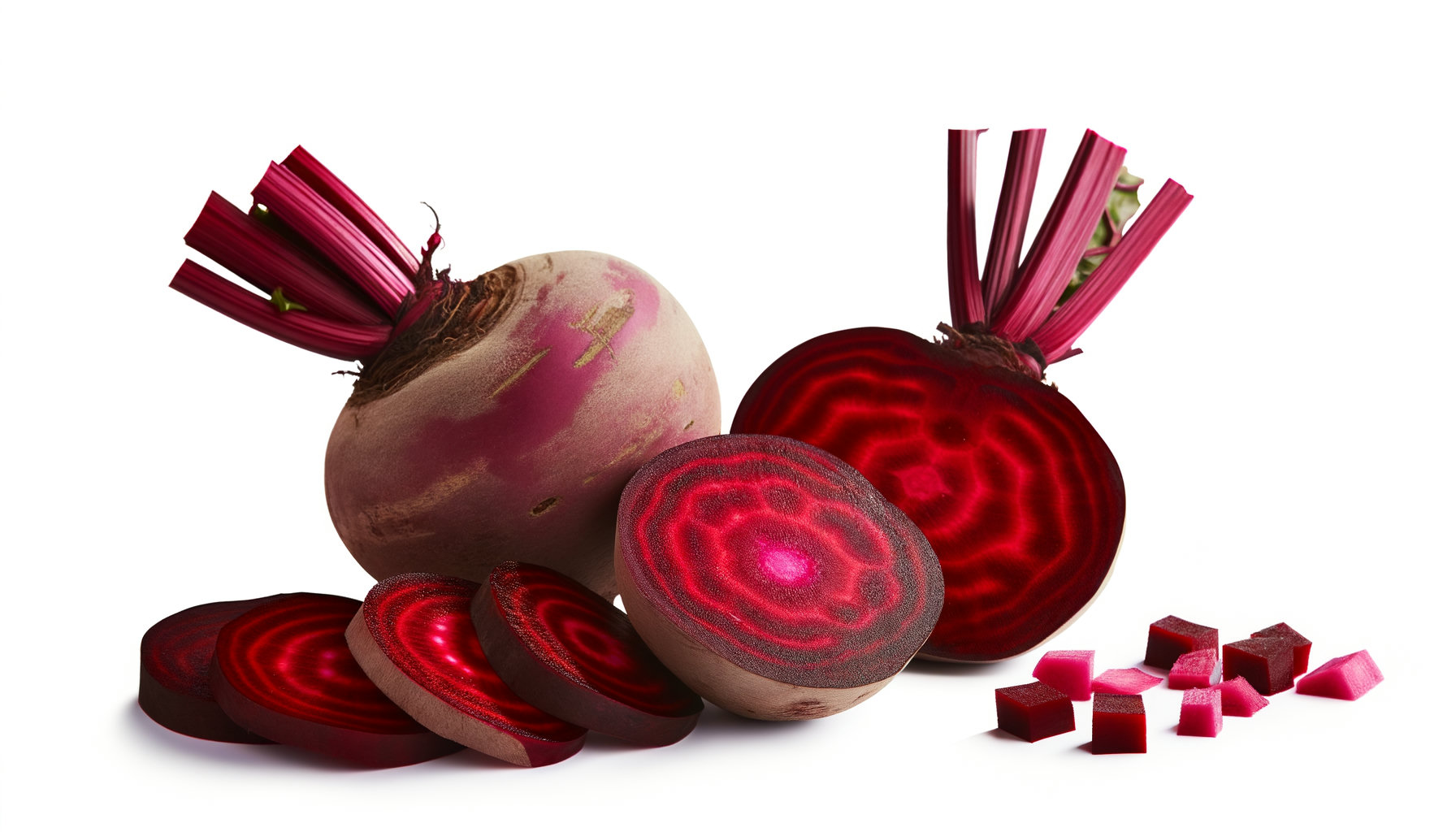
Beetroot
Beta vulgaris
Sensory Profile
Tastes
Basic flavor profiles
Aromas
Scent characteristics
Stimuli
Sensory sensations
Textures
Physical properties
About Beetroot
Beetroot boasts a unique earthy sweetness, complemented by subtle notes of bitterness and a hint of acidity. Its flavor can vary from mild and tender when roasted or boiled to more robust and intense when pickled or raw. The vibrant color of beetroot also contributes to its visual appeal, enhancing the overall sensory experience in dishes. Beetroot is incredibly versatile in the kitchen. It can be enjoyed raw in salads, grated or sliced thinly for a crunchy texture, or juiced for a nutrient-rich beverage. Cooking methods such as roasting, steaming, or boiling bring out its natural sweetness, making it a popular addition to soups, stews, and side dishes. Beetroot pairs well with ingredients like goat cheese, citrus, nuts, and spices such as cumin and dill. It is also used in baking, particularly in cakes and brownies, where it adds moisture and a subtle sweetness. Beetroot is believed to have originated in the Mediterranean region, with its use dating back to ancient civilizations. Initially cultivated for its leafy greens, it was not until the Roman era that the root itself gained prominence. Today, beetroot is grown in various climates worldwide, with significant production in countries like Russia, the United States, and Germany.
Associated health effects(55)
- Blood Pressure Support
- Nitrate-Induced Exercise Endurance Enhancement
- Micronutrient Density
- Menopausal Symptom Modulation
- Dietary Prebiotic Support
- Betacyanin Antioxidant Activity
- Cardiovascular Protection
- Antioxidant
- Cardiovascular Health
- Short-Chain Fatty Acid Production
- Analgesic Activity
- Blood Pressure Reduction
- Folate Source
- Improved Physical Function
- Cancer-Preventive
- Liver Support
- Blood Cholesterol Reduction
- Stroke and Heart Disease Prevention
- Cognitive Performance Enhancement
- Oxalate Nephrolithiasis Risk
- Beeturia
- Immune Modulation
- Dietary Nitrate-Mediated Blood Pressure Reduction
- Nitrate-Induced Vasodilation
- Atherosclerosis Prevention
- Gout and Metabolic Disorders
- Betalain-Mediated Endothelial Function Enhancement
- Iron Content Support
- Dietary Fiber
- Skin Health
- Nitrate-Induced Cerebral Blood Flow Enhancement
- Prebiotic Fiber-Mediated Gut Microbiota Improvement
- Cholesterol Management
- Brain Health
- Nitrate-Derived Vasodilation
- Oxalate-Induced Kidney Stone Risk
- Manganese
- Betalain Anti-inflammatory Activity
- Exercise Endurance Enhancement
- Exercise Recovery Enhancement
- Potassium
- Betaine-Mediated Homocysteine Reduction
- Fiber Content
- Homocysteine Reduction
- Nitrate-Induced Blood Pressure Reduction
- Immune Function
- Betalain Antioxidant Activity
- Digestive Prebiotic Support
- Digestive Aid
- Exercise Oxygen Utilization Enhancement
- Digestive Health
- Anticancer Potential
- Anti-inflammatory
- Cognitive Support
- Muscle Recovery Enhancement
Nutrition per 100 g(4)
- Energy: 43 kcal
- Protein: 1.6 g
- Fat: 0.2 g
- Fiber: 2.8 g