
Bell pepper Sensory Map
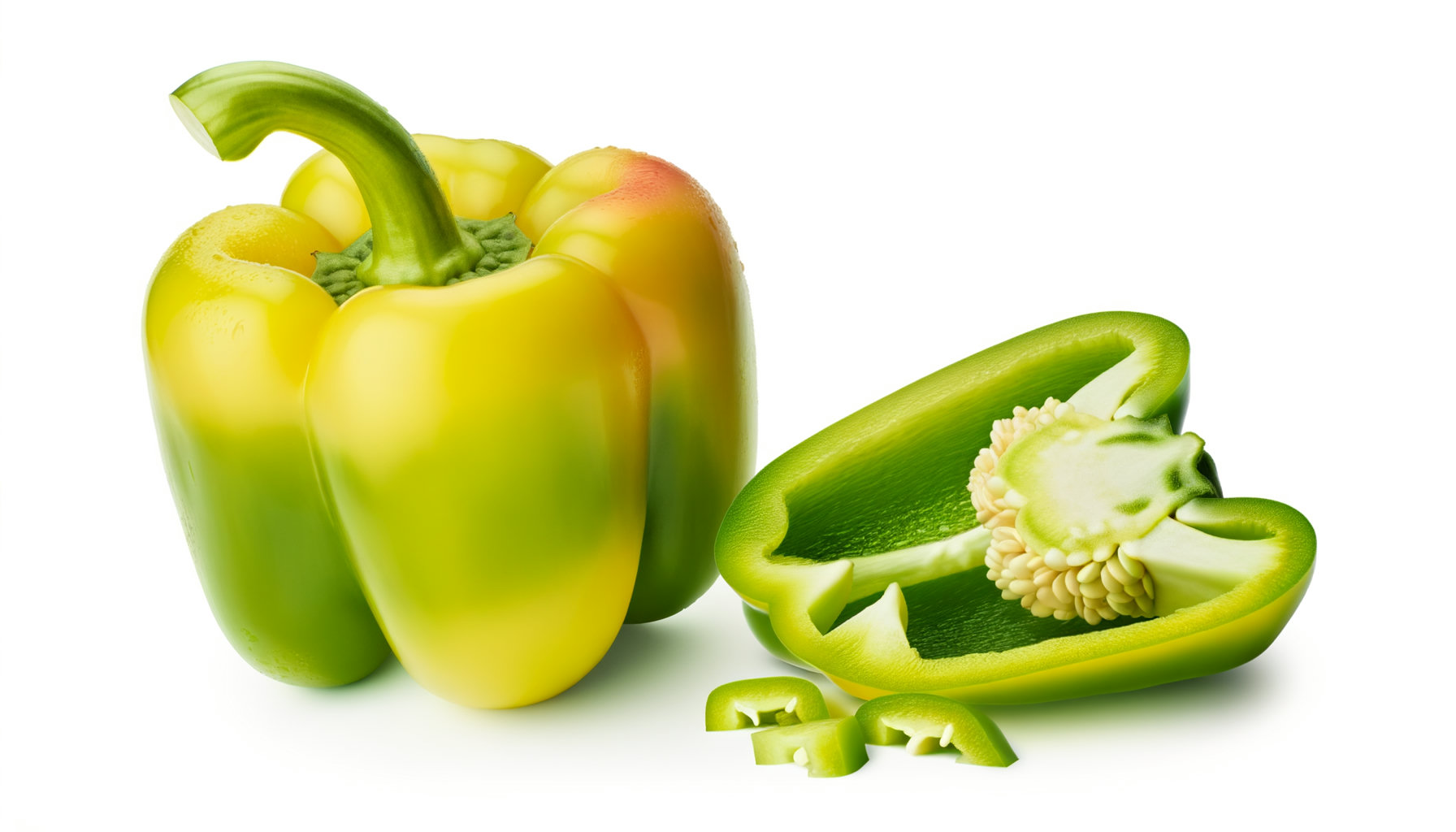
Bell pepper
Capsicum annuum
Sensory Profile
Tastes
Basic flavor profiles
Aromas
Scent characteristics
Stimuli
Sensory sensations
Textures
Physical properties
About Bell pepper
Bell Pepper (Capsicum annuum), a member of the Solanaceae family, is celebrated for its vibrant colors—ranging from deep green to bright red, yellow, and orange—and its crisp, succulent texture. The flavor profile of bell peppers is mildly sweet with subtle grassy undertones, and they emit a fresh, slightly fruity aroma reminiscent of summer gardens. When cooked, they soften beautifully, releasing their natural sugars and enhancing their sweetness, which makes them an essential ingredient in a variety of culinary applications. In classic dishes such as Ratatouille, the bell pepper contributes not only its sweetness but also a satisfying crunch that contrasts with the tender textures of other vegetables. In the iconic Fajitas, the peppers' ability to caramelize when sautéed adds depth and complexity, while their vibrant colors enhance the visual appeal of the dish. The Maillard reaction during cooking intensifies their flavor, making them a key player in achieving a well-rounded taste profile. Originating from Central and South America, bell peppers have become integral to numerous regional cuisines, particularly in Mediterranean and Mexican cooking. Traditional production methods often involve cultivating them in warm climates, where they thrive in well-drained, nutrient-rich soils. This geographical significance is echoed in their cultural importance, as they are often featured in local festivals and culinary traditions. What sets bell peppers apart is their unique chemical composition; they are rich in vitamins A and C, which not only contribute to their health benefits but also enhance their flavor when combined with acidic ingredients like tomatoes or citrus. Unlike their spicier relatives, bell peppers contain no capsaicin, making them suitable for a broader audience. Their ability to maintain structural integrity during cooking, while also absorbing flavors from surrounding ingredients, makes them a staple in both home kitchens and professional culinary settings.
Associated health effects(41)
- Vitamin C Source
- Polyphenol Antioxidant Activity
- Blood Pressure Support
- Beta-Carotene Source
- Micronutrient Density
- Anti-arthritic
- Cardiovascular Protection
- Antioxidant
- Allergic Reactions
- Cardiovascular Health
- Beta-Cryptoxanthin-Mediated Arthritis Support
- Blood Pressure Reduction
- Folate Source
- Wound Healing
- Cancer-Preventive
- Pain Relief
- Blood Sugar Support
- Vitamin K Source
- Blood Sugar Regulation
- Immune Booster
- Carotenoid Source
- Pregnancy and Growth Support
- Vision Protection
- Dietary Fiber
- Skin Health
- Bone Health
- Cholesterol Management
- Anemia Prevention
- Carotenoid Eye Protection
- Weight Management
- LDL Cholesterol Reduction
- Vitamin B6 Nervous System Support
- Potassium
- Triglyceride Reduction
- Neuroprotection
- Eye Health
- Vitamin A Source
- Lutein and Zeaxanthin Support
- Digestive Health
- Anticancer Potential
- Anti-inflammatory
Nutrition per 100 g(4)
- Energy: 26 kcal
- Protein: 1 g
- Fat: 0.3 g
- Fiber: 1.5 g