
Benzoic Acid Sensory Map
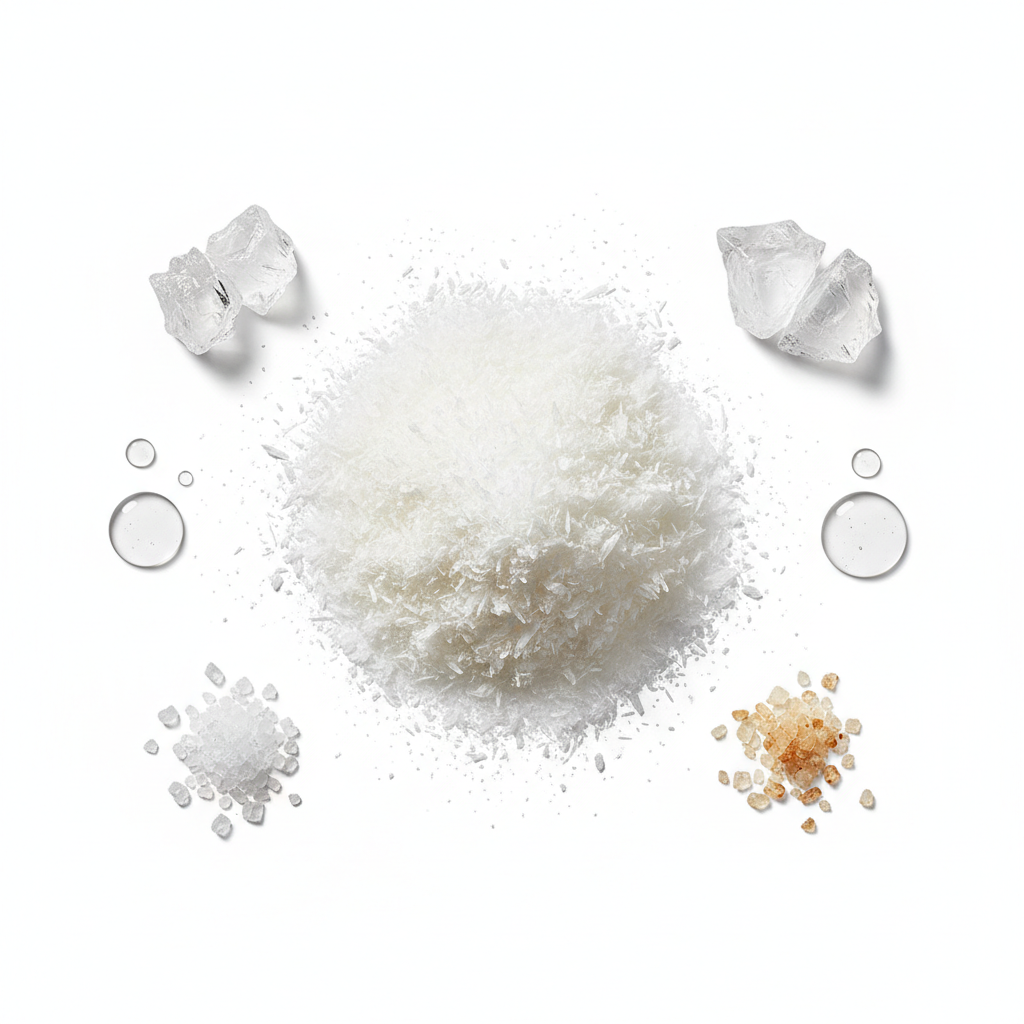
Benzoic Acid
Acidum benzoicum
Sensory Profile
Tastes
Basic flavor profiles
Aromas
Scent characteristics
Stimuli
Sensory sensations
Textures
Physical properties
About Benzoic Acid
Benzoic acid (E210, red label, dangerous) functions as a potent antimicrobial organic acid characterized by a faint, balsamic aroma reminiscent of benzoin resin and a sharp, slightly acrid flavor profile that provides a clean, acidic finish to preserved foods. Naturally occurring in high concentrations within Vaccinium species like cranberries and lingonberries, it is traditionally utilized in Nordic cuisine to stabilize raw fruit preserves and *Rårörda lingon* (stirred lingonberries) without the need for heat, as the acid inhibits the growth of yeasts and molds by disrupting cellular membrane permeability. In the production of traditional fermented condiments and pickled vegetables, such as Japanese *Umeboshi*, the presence of benzoic acid—whether naturally occurring or added—works synergistically with salt to lower pH levels, thereby ensuring the structural integrity of plant cell walls and preventing the enzymatic softening of pectin. Beyond its preservative capacity, the compound is unique for its ability to undergo esterification during long-term aging processes, where it reacts with alcohols to produce ethyl benzoate, contributing sophisticated floral and fruity nuances to aged spirits and fermented sauces. While it does not act as a leavening agent, its role in maintaining the oxidative stability of fats makes it an essential component in the artisanal production of high-moisture fruit curds and margarines, where it prevents rancidity while maintaining a smooth, emulsified texture.
Associated health effects(6)
- Foodborne Illness Risk Reduction
- Food Preservation Support
- Food Spoilage Prevention
- Hypersensitivity-Like Reaction Risk
- Skin, eye, and respiratory irritation
- Gastrointestinal Irritation
Nutrition per 100 g(4)
- Energy: 4 kcal
- Protein: 0 g
- Fat: 0.1 g
- Fiber: 0 g