
Berry Sensory Map
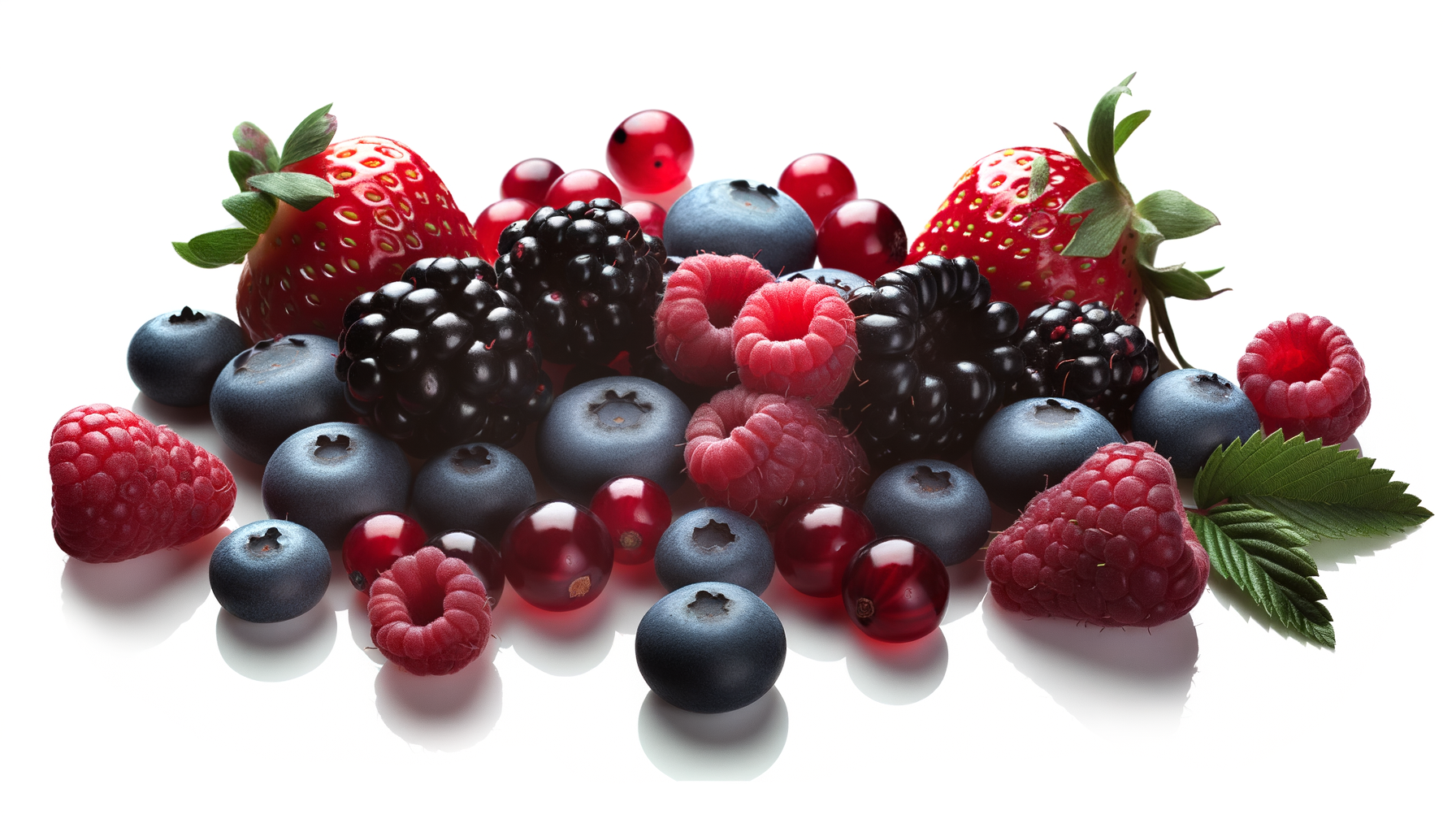
Berry
Sensory Profile
Tastes
Basic flavor profiles
Aromas
Scent characteristics
Stimuli
Sensory sensations
Textures
Physical properties
About Berry
Berries are a versatile and widely cherished ingredient in cooking and culinary arts, celebrated for their vibrant colors, distinct flavors, and nutritional benefits. As a cooking ingredient, berries can be used in a multitude of ways, spanning both sweet and savory dishes. They are available in various forms—fresh, frozen, dried, or as preserves—allowing for year-round use and adaptability in recipes. Their natural sweetness, tartness, and texture make them a popular choice for enhancing the flavor profile and visual appeal of a wide range of dishes. Several types of berries are commonly used in cooking, each bringing its own unique taste and culinary applications: - **Strawberries**: Frequently featured in desserts such as shortcakes, tarts, and salads due to their sweet and juicy nature. - **Blueberries**: A favorite in baked goods like muffins, pancakes, and pies, offering a mild sweetness and subtle tartness. - **Raspberries and Blackberries**: Often transformed into jams, sauces, or coulis, which pair beautifully with both desserts and savory dishes like roasted meats. - **Cranberries**: Known for their tartness, they are a staple in holiday dishes, particularly in sauces and relishes that accompany poultry or game. Berries shine in a variety of culinary contexts beyond traditional desserts and sauces: - **Breakfast**: Incorporated into oatmeal, yogurt parfaits, or smoothies for a fresh and flavorful start to the day. - **Savory Dishes**: Used in salads, grain bowls, or as a glaze for meats, adding a burst of color and a balance of flavors. - **Beverages**: Blended into smoothies, muddled into cocktails, or used to infuse water and teas, providing a refreshing twist. In addition to their culinary appeal, berries are highly nutritious, making them a valuable ingredient for health-conscious cooking. They are: - **Rich in Antioxidants**: Help combat oxidative stress and inflammation. - **High in Vitamins**: Particularly vitamin C, which supports immune health. - **Good Source of Fiber**: Promotes digestive health and adds texture to dishes. Their natural sweetness also makes them a healthier alternative to refined sugars in many recipes, enhancing both flavor and nutrition. Overall, berries are a dynamic and healthful ingredient that can elevate both the taste and presentation of a dish, whether used as a primary component or as a garnish. Their adaptability across different forms and dishes, combined with their nutritional benefits, makes them an essential ingredient in both home kitchens and professional culinary settings.
Associated health effects(63)
- Anthocyanin-Mediated Neuroprotection
- Vitamin C Source
- Polyphenol Antioxidant Activity
- Blood Pressure Support
- Insulin Sensitivity Enhancement
- Micronutrient Density
- Intestinal Barrier Integrity Enhancement
- Polyphenol-Mediated Digestive Enzyme Inhibition
- Unripe Goji Toxicity Risk
- Anti-arthritic
- Dietary Prebiotic Support
- Drug Interactions
- Cardiovascular Protection
- Antioxidant
- Joint Pain Relief
- Allergic Reactions
- Cardiovascular Health
- Anthocyanin Support
- Toxicity and Safety
- Short-Chain Fatty Acid Production
- Blood Pressure Reduction
- Vitamin Content Support
- Cognitive Enhancement
- Gut Microbiota Modulation
- Cancer-Preventive
- Lipid Profile Improvement
- Blood Cholesterol Reduction
- Anthocyanin Provision
- Blood Sugar Support
- Goji Berry Drug Interaction Risk
- Vitamin K Source
- Antidiabetic Activity
- Blood Sugar Regulation
- Anthocyanin-Mediated Gut Microbiota Modulation
- Immune Booster
- Immune Modulation
- Vision Protection
- Muscle Recovery Support
- Digestive Irritation
- Anti-obesity Activity
- No Evidence of Toxicity, Heavy Metals, or Contaminants
- At-Risk Populations
- Mineral Content
- Polysaccharide Immune Modulation
- Dietary Fiber
- Interaction with Medications
- Prebiotic Support
- Cholesterol Management
- Weight Management
- Exercise Recovery Enhancement
- Polyphenol-Mediated Neuroprotection
- Anti-aging Activity
- LDL Cholesterol Reduction
- Potassium
- Fiber Content
- Neuroprotection
- Heart Health
- Magnesium
- Lipid Metabolism Support
- Cholesterol Improvement
- Anticancer Potential
- Anti-inflammatory
- Cognitive Support
Nutrition per 100 g(4)
- Energy: 57 kcal
- Protein: 1 g
- Fat: 0.3 g
- Fiber: 5 g