
Betel Leaf Sensory Map
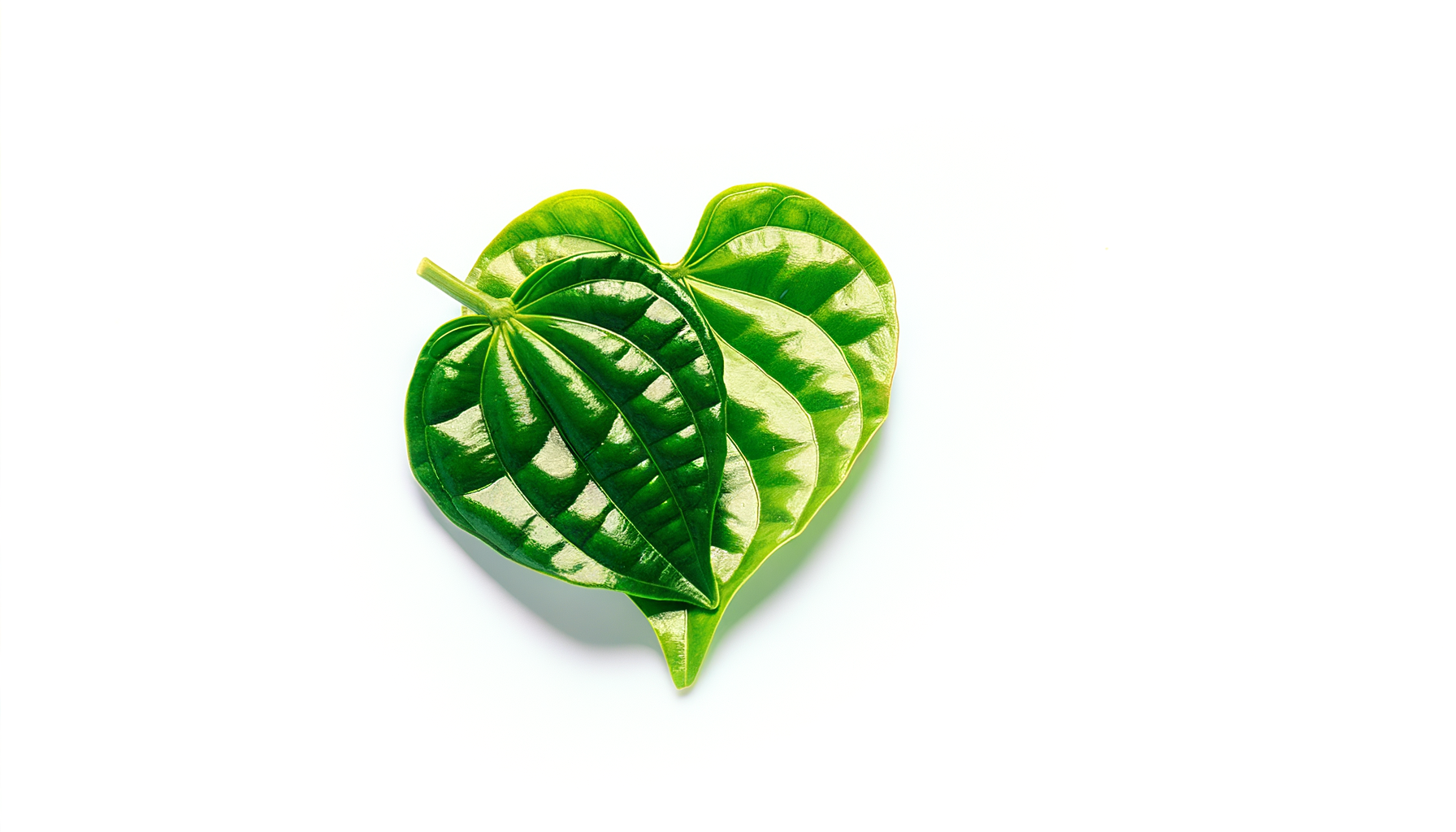
Betel Leaf
Piper betle
Sensory Profile
Tastes
Basic flavor profiles
Aromas
Scent characteristics
Stimuli
Sensory sensations
Textures
Physical properties
About Betel Leaf
Betel leaf has a unique flavor that is aromatic, slightly peppery, and somewhat sweet with a hint of bitterness. Its crisp texture and refreshing quality make it a versatile ingredient in various culinary applications. Traditionally, betel leaves are used in Southeast Asian cuisine, often as a wrapper for various fillings, including spiced meats, seafood, and vegetables. They are also integral to the preparation of the popular chew known as "paan," which combines betel leaves with areca nut, slaked lime, and various flavorings like cardamom and coconut. Additionally, betel leaves can be used in salads, soups, and as a garnish to enhance the flavor of dishes. Betel leaf is native to Southeast Asia and the Indian subcontinent, where it has been cultivated for thousands of years. It thrives in tropical climates and is commonly found in countries such as India, Indonesia, Thailand, and the Philippines. The leaves of the betel plant are heart-shaped, glossy, and vibrant green, with a smooth surface. They are typically harvested young for culinary use. Betel leaves are not only valued for their flavor but also for their cultural significance in many Asian societies, often associated with hospitality and ceremonial practices. In addition to their culinary applications, betel leaves are recognized for their potential health benefits, including digestive aid and antimicrobial effects.
Associated health effects(55)
- Enzyme Activity Stimulation
- Insulin Sensitivity Enhancement
- Expectorant
- Anti-ulcer Activity
- Dental Caries Reduction
- Oral Malodor Reduction
- Wound Healing and Antimicrobial
- Hypoglycemic Activity
- Drug Interactions
- Hydroxychavicol-Mediated Antiproliferative Activity
- Antiseptic Skin Protection
- Cardiovascular Protection
- Antioxidant
- Immunomodulatory Activity
- Allergic Reactions
- Dose-Dependent Effects
- Allergy Risk
- Analgesic Activity
- Plaque and Gingivitis Reduction
- Nutritional Advantages
- Wound Healing
- Cancer Risk
- Antifungal
- Polyphenol-Mediated Gastrointestinal Protection
- Respiratory Support via Expectorant and Bronchodilation
- Cytotoxic Activity Against Cancer Cell Lines
- Blood Sugar Support
- Antidiabetic Activity
- Blood Sugar Regulation
- Dental Plaque Inhibition
- Immune Booster
- Salivary Secretion Enhancement
- Digestive Enzyme Stimulation
- Mental Clarity Enhancement
- Mood Enhancement
- No Evidence of Toxicity, Heavy Metals, or Contaminants
- At-Risk Populations
- Hepatoprotection
- Dietary Fiber
- Skin Health
- Cholesterol Management
- Stress Relief
- Antioxidant Immunity Support
- Digestive Protection
- Gastroprotection
- Antibacterial
- Bronchodilation
- Neutral Effects
- Digestive Aid
- Cholesterol Improvement
- Respiratory Support
- Digestive Health
- Anticancer Potential
- Anti-inflammatory
- Carminative
Nutrition per 100 g(4)
- Energy: 35 kcal
- Protein: 3 g
- Fat: 0.6 g
- Fiber: 2.6 g