
Bitter Melon Sensory Map
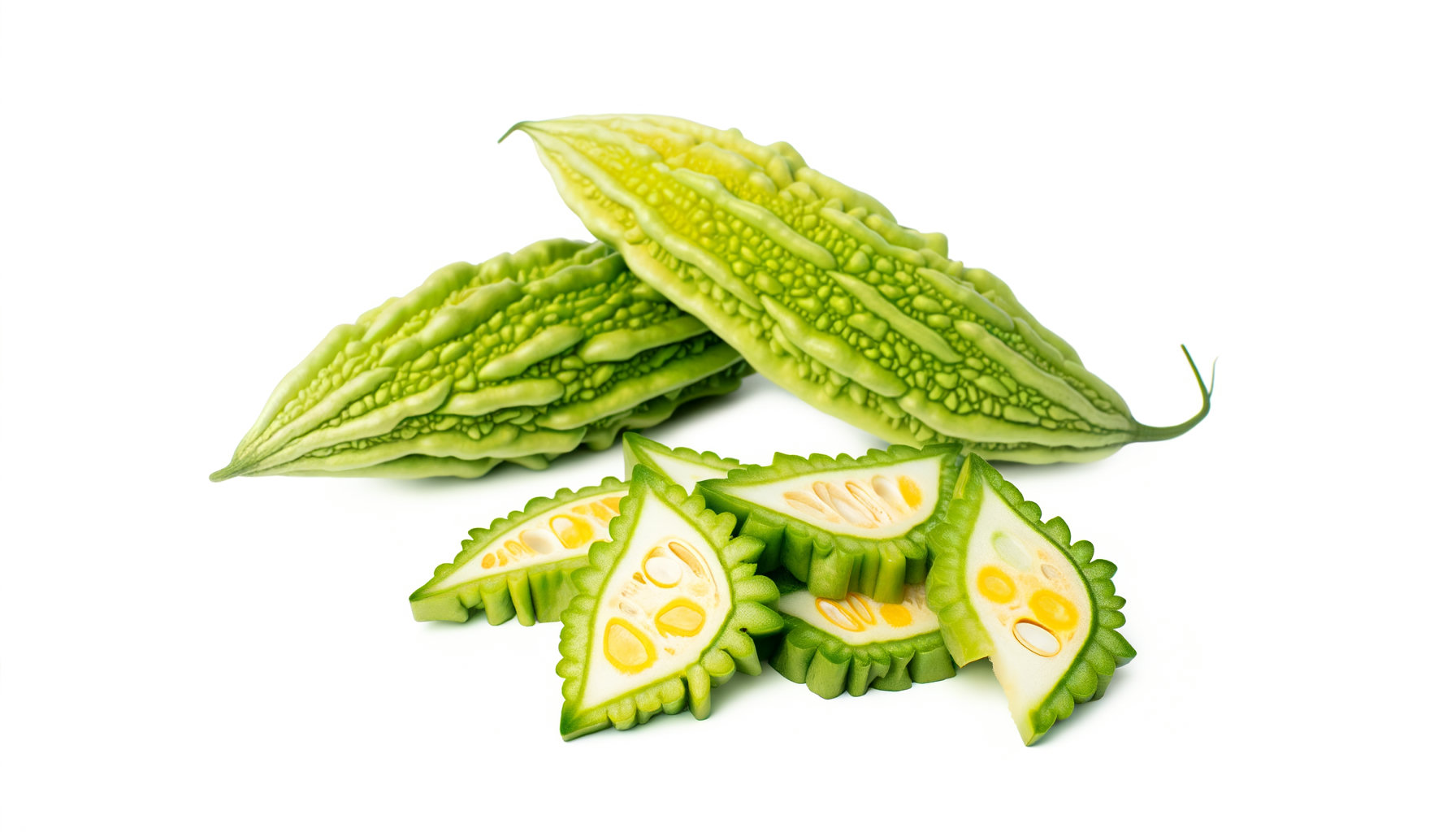
Bitter Melon
Momordica charantia
Sensory Profile
Tastes
Basic flavor profiles
Aromas
Scent characteristics
Stimuli
Sensory sensations
Textures
Physical properties
About Bitter Melon
Bitter melon, also known as bitter gourd, is characterized by its distinctly sharp and bitter flavor, which can be quite intense. The bitterness is often balanced by cooking methods or complementary ingredients, making it a unique addition to various dishes. Its flesh is crisp and has a slightly watery texture, while the seeds are soft and edible. Bitter melon is a staple in many Asian cuisines, particularly in Indian, Chinese, and Southeast Asian dishes. It is commonly used in stir-fries, curries, soups, and salads. In Indian cuisine, it is often stuffed with spices and sautéed, while in Chinese cooking, it is frequently paired with meats or tofu to offset its bitterness. Additionally, it can be juiced or pickled, and is sometimes used in herbal remedies for its reputed health benefits. Bitter melon is believed to have originated in the Indian subcontinent and has been cultivated for thousands of years. It has spread throughout tropical and subtropical regions, including Southeast Asia, Africa, and the Caribbean, where it is embraced for both its culinary and medicinal properties. Bitter melon is easily recognizable by its unique, warty exterior and elongated shape, which can vary in size. The fruit is typically green, but can also be yellow or white when ripe. Its high vitamin C content and presence of bioactive compounds contribute to its health-promoting reputation.
Associated health effects(12)
- AMPK Activation
- Antioxidant
- Liver Support
- Blood Sugar Support
- Hepatoprotection
- Glucagon Suppression
- Cholesterol Management
- Weight Management
- Antibacterial
- Antiviral
- Insulin Sensitivity Support
- Anti-inflammatory
Nutrition per 100 g(4)
- Energy: 20 kcal
- Protein: 1 g
- Fat: 0.2 g
- Fiber: 2.8 g