
Black Bean Sensory Map
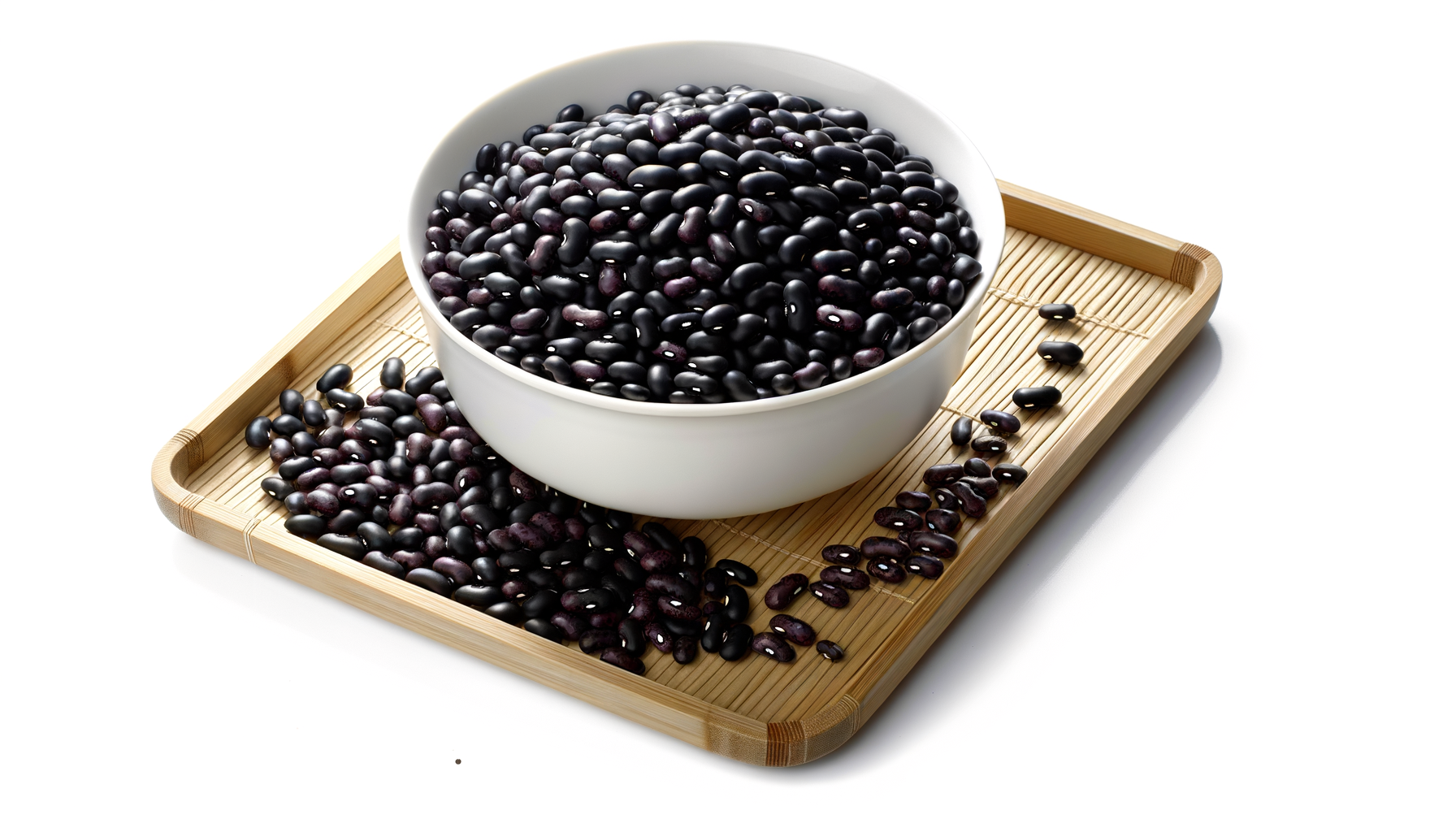
Black Bean
Phaseolus vulgaris
Sensory Profile
Tastes
Basic flavor profiles
Aromas
Scent characteristics
Stimuli
Sensory sensations
Textures
Physical properties
About Black Bean
Black beans possess a rich, earthy flavor with a subtle sweetness and a creamy texture when cooked. Their mild taste makes them versatile, allowing them to absorb and complement a wide range of spices and ingredients. Black beans are a staple in various cuisines, particularly in Latin American and Caribbean dishes. They are commonly used in soups, stews, salads, and burritos, and serve as a hearty filling for tacos and enchiladas. Additionally, they can be mashed to create spreads or dips, such as black bean hummus. Their high protein content makes them a popular choice for vegetarian and vegan dishes. Black beans are believed to have originated in Central and South America, with archaeological evidence suggesting their cultivation dates back over 7,000 years. They are a key component of traditional dishes in countries like Mexico, Brazil, and Cuba, where they are celebrated for their nutritional value and versatility. These legumes are characterized by their glossy black skin and creamy white interior. They are not only prized for their flavor but also for their health benefits, being high in protein, fiber, and antioxidants. Black beans are often sold dried or canned, with the dried variety requiring soaking and longer cooking times, while canned beans offer convenience and quick preparation. Their ability to enhance both flavor and nutrition makes them a beloved ingredient in kitchens worldwide.
Associated health effects(42)
- Satiety Enhancement
- Insulin Sensitivity Enhancement
- Micronutrient Density
- Flatulence and Bloating
- Phytate Mineral Bioavailability Reduction
- Antioxidant
- Allergic Reactions
- Anthocyanin Support
- Blood Pressure Reduction
- Folate Source
- Nutritional Advantages
- Cancer-Preventive
- Blood Cholesterol Reduction
- Blood Sugar Support
- Quercetin and Rutin Flavonoid Support
- Antidiabetic Activity
- Blood Sugar Regulation
- Protein Quality Limitation
- Soluble Fiber Cholesterol Reduction
- Iron Content Support
- No Evidence of Toxicity, Heavy Metals, or Contaminants
- At-Risk Populations
- Digestive Discomfort
- Dietary Fiber
- Interaction with Medications
- Prebiotic Fiber-Mediated Gut Microbiota Improvement
- Lunasin-Mediated Anticancer Activity
- Bone Health
- Prebiotic Support
- Cholesterol Management
- Protein Content
- Dietary Lectin Exposure
- Weight Management
- LDL Cholesterol Reduction
- Potassium
- Saponin-Mediated Cholesterol Reduction
- Digestive Prebiotic Support
- Colorectal Cancer Risk Reduction
- Lectin Exposure
- Short-Chain Fatty Acid Production Enhancement
- Digestive Health
- Anti-inflammatory
Nutrition per 100 g(4)
- Energy: 132 kcal
- Protein: 8.9 g
- Fat: 0.9 g
- Fiber: 8.7 g