
Black Cardamom Sensory Map
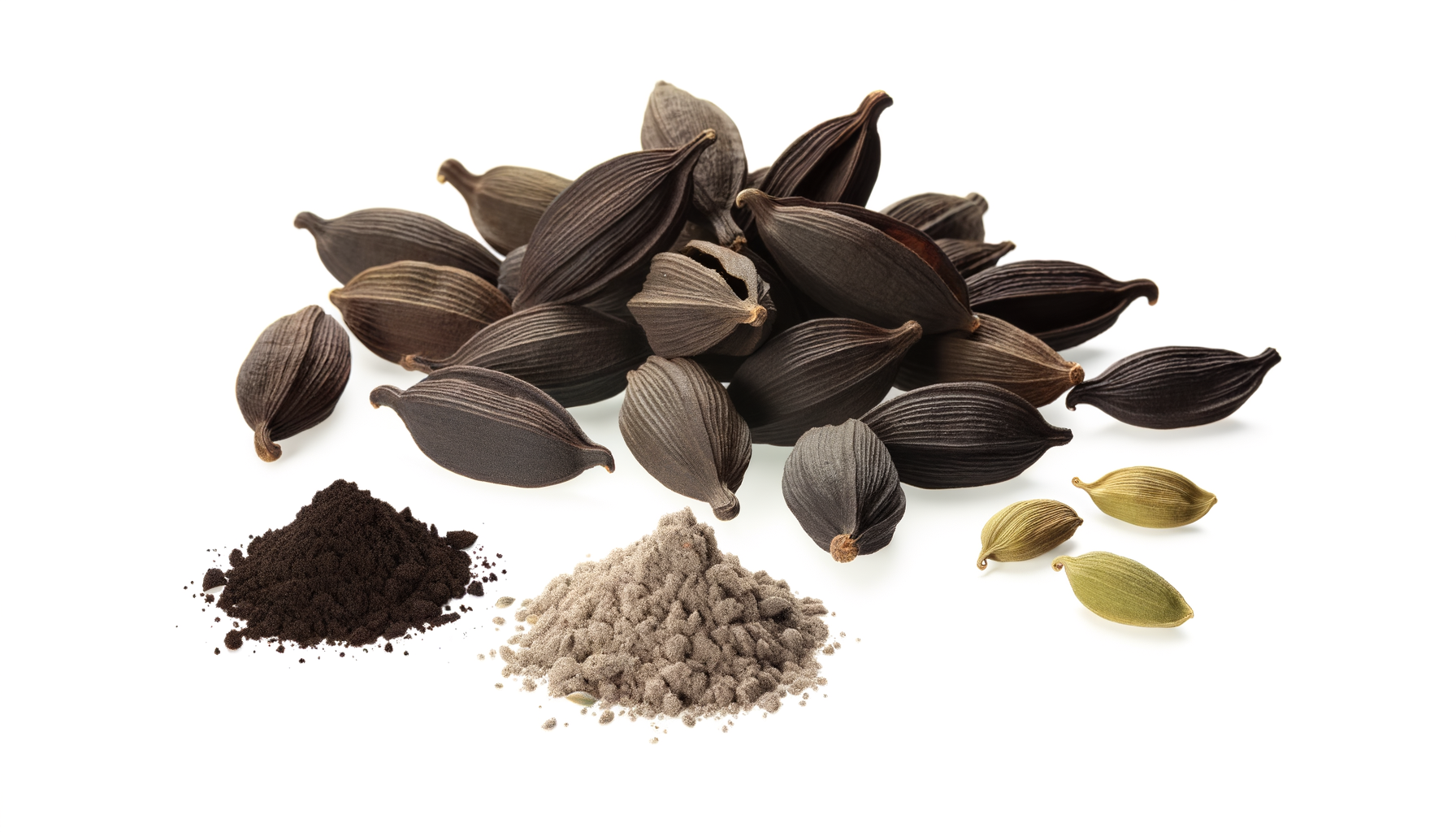
Black Cardamom
Amomum subulatum
Sensory Profile
Tastes
Basic flavor profiles
Aromas
Scent characteristics
Stimuli
Sensory sensations
Textures
Physical properties
About Black Cardamom
Black Cardamom possesses a robust, smoky flavor with earthy undertones, complemented by hints of menthol and camphor. Its bold taste is markedly different from its green counterpart, offering a more intense and complex profile that can add depth to both sweet and savory dishes. This spice is a staple in Indian, Nepalese, and Tibetan cuisines, often used in spice blends such as garam masala and in dishes like biryani and curries. Black cardamom is typically used whole, allowing its flavor to infuse during cooking, and is particularly effective in slow-cooked dishes, stews, and soups. It can also be used to enhance the flavor of meats, lentils, and even in certain desserts, where its unique smokiness can create intriguing contrasts. Native to the mountainous regions of the Eastern Himalayas, particularly in India, Nepal, and Bhutan, black cardamom is cultivated in the moist, temperate climates of these areas. The spice is harvested from the seed pods of the Amomum subulatum plant, which is part of the Zingiberaceae family, the same family that includes ginger and green cardamom. Black cardamom is easily identifiable by its large, dark brown to black pods, which are often slightly wrinkled and have a rough texture. The seeds inside
Associated health effects(12)
- Blood Pressure Support
- Antioxidant
- Allergic Reactions
- Nutritional Advantages
- At-Risk Populations
- Interaction with Medications
- Cholesterol Management
- Weight Management
- Oral Health Support
- Antibacterial
- Digestive Aid
- Anti-inflammatory
Nutrition per 100 g(4)
- Energy: 349 kcal
- Protein: 11 g
- Fat: 5 g
- Fiber: 28 g