
Black Garlic Sensory Map
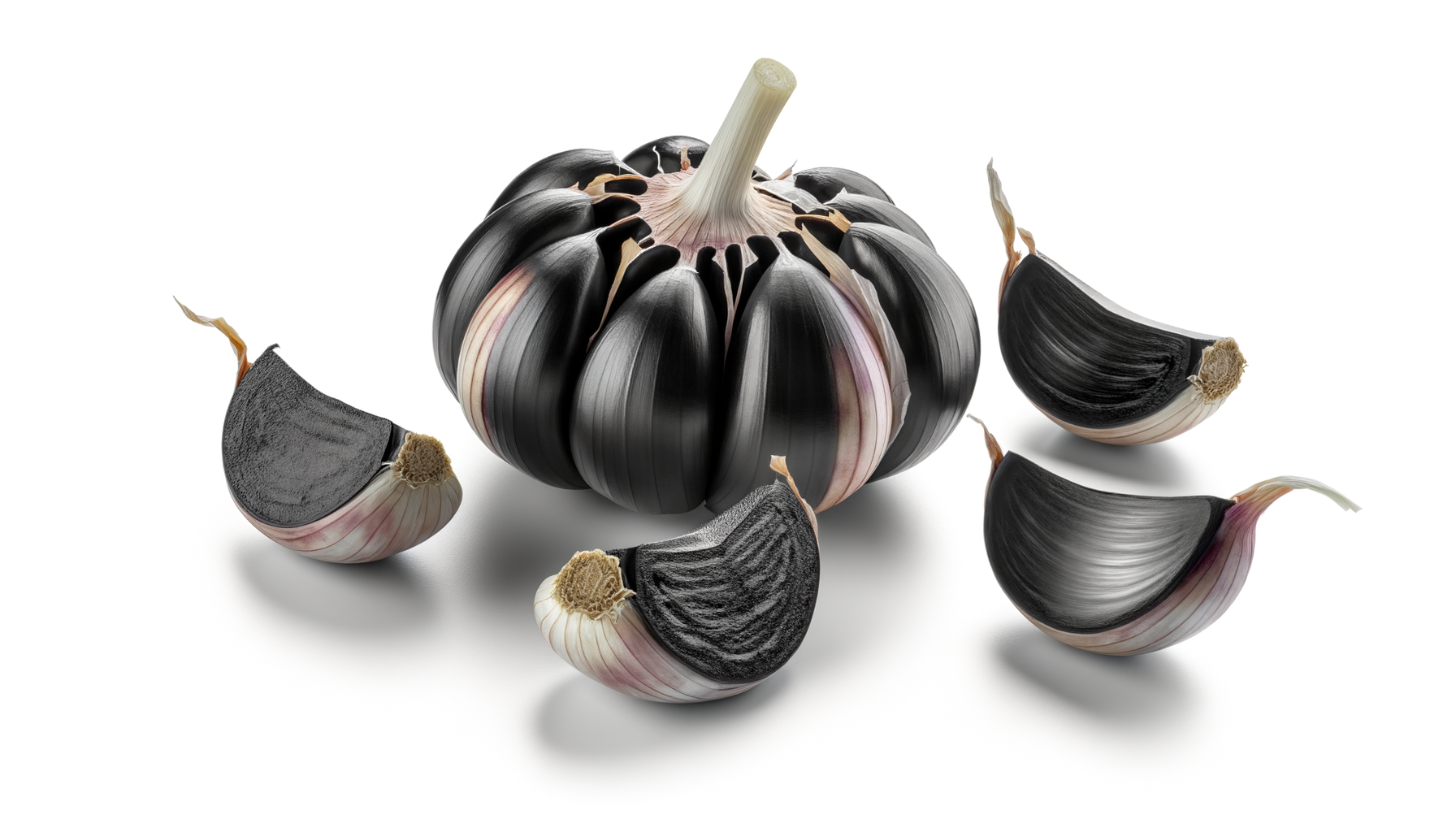
Black Garlic
Allium sativum
Sensory Profile
Tastes
Basic flavor profiles
Aromas
Scent characteristics
Stimuli
Sensory sensations
Textures
Physical properties
About Black Garlic
Black garlic boasts a unique flavor that is both sweet and savory, with a rich umami quality reminiscent of balsamic vinegar or tamarind. Its soft, molasses-like texture and deep, complex notes of garlic are mellowed and softened through the fermentation process, resulting in a less pungent and more nuanced taste compared to raw garlic. This versatile ingredient is used in various culinary applications, including sauces, dressings, marinades, and spreads. It can enhance the flavor of soups, risottos, and pasta dishes, or be incorporated into dips and spreads like hummus. Chefs often use black garlic to add depth to meats, vegetables, and even desserts, making it a popular choice in both traditional and modern cuisines. Black garlic originated in Korea, where it has been used for centuries for its health benefits and culinary applications. The process of making black garlic involves fermenting whole bulbs of raw garlic at a controlled temperature and humidity for several weeks, resulting in its characteristic black color and unique flavor profile. Today, it is enjoyed worldwide and has gained popularity in gourmet cooking. Black garlic is notable for its striking appearance, with cloves that are jet black and soft to the touch. It is rich in antioxidants and is often touted for its health benefits, including anti-inflammatory properties and potential cardiovascular benefits. Its unique flavor and health attributes
Associated health effects(21)
- Blood Pressure Support
- Cardiovascular Protection
- Antioxidant
- Allergic Reactions
- Dose-Dependent Effects
- Blood Pressure Reduction
- Nutritional Advantages
- Cancer-Preventive
- Blood Sugar Regulation
- Endothelial Function Enhancement
- Immune Booster
- At-Risk Populations
- Fermentation-Enhanced Bioavailability
- S-allyl Cysteine Support
- Nitric Oxide Release
- Cholesterol Management
- HDL Cholesterol
- LDL Cholesterol Reduction
- Triglyceride Reduction
- Neuroprotection
- Anti-inflammatory
Nutrition per 100 g(4)
- Energy: 185 kcal
- Protein: 3 g
- Fat: 0.5 g
- Fiber: 2 g