
Black Mustard Sensory Map
Black Mustard
Brassica nigra
Sensory Profile
Tastes
Basic flavor profiles
Aromas
Scent characteristics
Stimuli
Sensory sensations
Textures
Physical properties
About Black Mustard
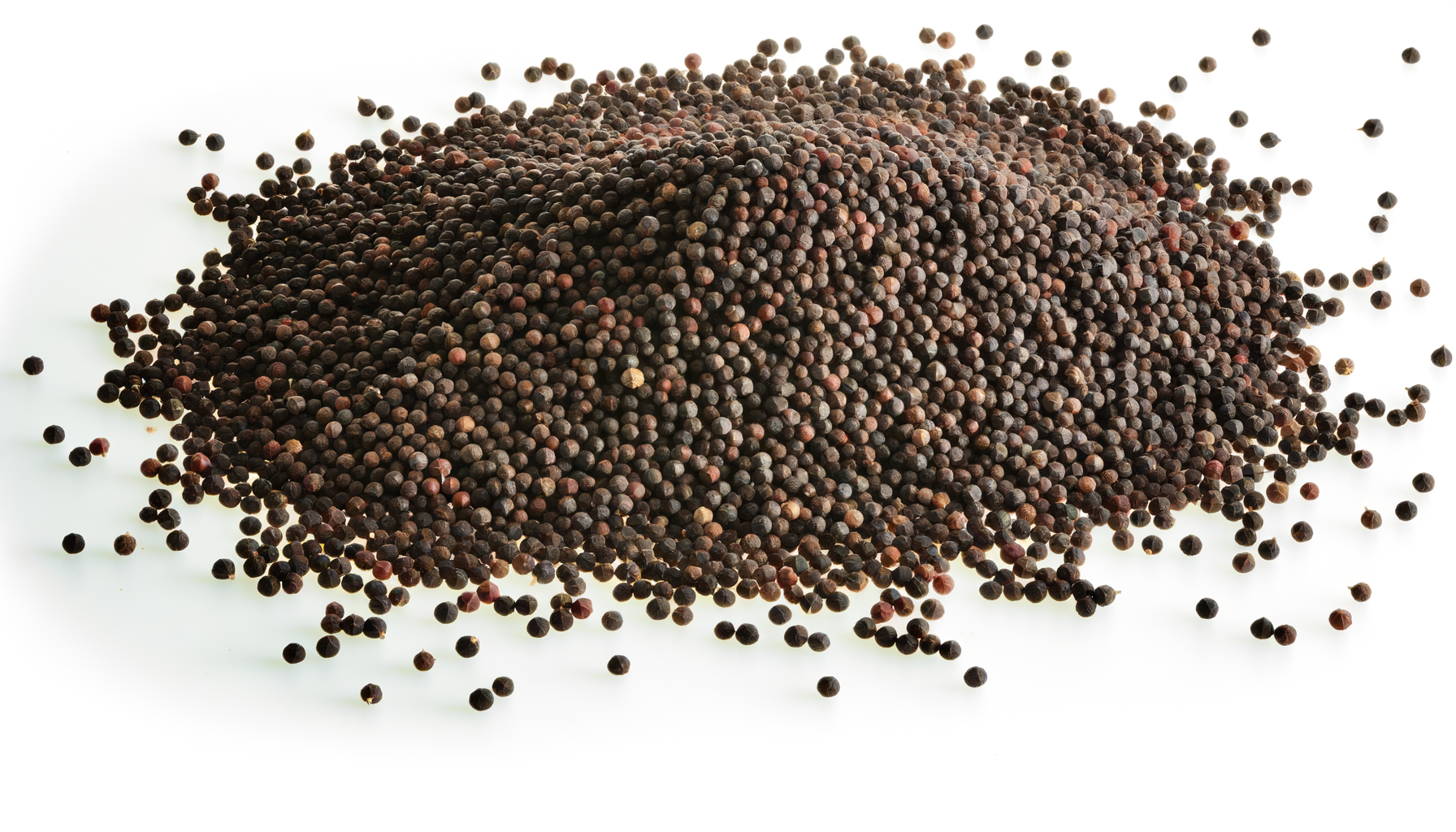
Black mustard seeds possess a robust and pungent flavor, characterized by a sharp, spicy heat that can be quite intense. When crushed or ground, they release a strong, aromatic oil that adds depth to dishes. The heat is more pronounced than that of yellow mustard seeds, making them a favored choice for those seeking a bolder taste. Black mustard seeds are widely used in Indian, Middle Eastern, and African cuisines. They are often tempered in hot oil to release their flavor before being added to curries, pickles, and vegetable dishes. In Indian cooking, they are a key ingredient in dishes like dal and various regional curries. Additionally, they can be used whole in spice blends, or ground into mustard pastes for dressings and marinades, imparting a distinctive heat to sauces and condiments. Native to the Mediterranean region, Brassica nigra has been cultivated since ancient times. It is believed to have originated in the eastern Mediterranean and has spread across the globe, particularly thriving in temperate regions. Today, it is commonly grown in India, Canada, and parts of Europe. Black mustard seeds are small, round, and dark brown to black in color. They are known for their high oil content, which contributes to their strong flavor and aroma. When cooked, the seeds can pop, releasing their essential oils and
Associated health effects(59)
- Blood Pressure Support
- Isothiocyanate-Mediated Anticancer Activity
- Micronutrient Support
- Isothiocyanate-Mediated Short-Chain Fatty Acid Production Enhancement
- Erucic Acid Exposure
- Micronutrient Density
- Appetite Stimulant
- Alpha-Linolenic Acid Support
- Potential Additive Hypoglycemia
- Cardiovascular Protection
- Antioxidant
- Isothiocyanate-Mediated Antioxidant Activity
- Allergic Reactions
- Goitrogenic Activity
- Blood Pressure Reduction
- Vitamin Content Support
- Nutritional Advantages
- Wound Healing
- Antifungal
- Lipid Profile Improvement
- Pain Relief
- Isothiocyanate-Mediated Antimicrobial Activity
- Blood Cholesterol Reduction
- Glucosinolate-Mediated Colorectal Cancer Risk Reduction
- Blood Sugar Support
- Appetite Reduction via Fiber-Induced Satiety
- Trace Mineral-Linked Blood Sugar Support
- Antidiabetic Activity
- Blood Sugar Regulation
- Goitrin-Mediated Thyroid Interference
- Immune Modulation
- Digestive Enzyme Stimulation
- Mineral Content
- Gastric Irritation
- Dietary Fiber
- Skin Health
- Allergic Reaction Risk
- Ferulic Acid Cardiovascular Support
- Bone Health
- Cholesterol Management
- Glucosinolate-Mediated Detoxification Enzyme Activation
- Metabolism Booster
- Nutritional Density
- Hair Health
- HDL Cholesterol
- LDL Cholesterol Reduction
- Antibacterial
- Fiber Content
- Contact Dermatitis
- Skin Irritation from Irritant Oils
- Counter-irritant Activity
- Digestive Aid
- Cholesterol Improvement
- Glucosinolate-Mediated Detoxification Support
- Digestive Health
- Anticancer Potential
- Anti-inflammatory
- Metabolic Enhancement
- Skin Sensitization and Blistering
Nutrition per 100 g(4)
- Energy: 508 kcal
- Protein: 25.8 g
- Fat: 36.2 g
- Fiber: 12.5 g