
Black Pepper Sensory Map
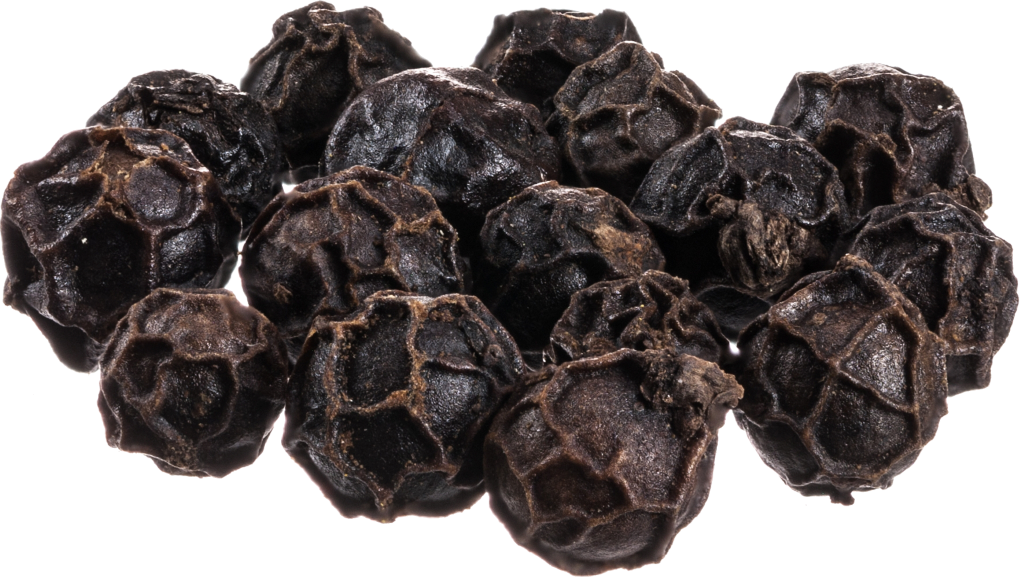
Black Pepper
Piper nigrum
Sensory Profile
Tastes
Basic flavor profiles
Aromas
Scent characteristics
Stimuli
Sensory sensations
Textures
Physical properties
About Black Pepper
Black Pepper is renowned for its sharp, pungent heat and complex flavor profile, which can range from earthy and woody to citrusy and floral, depending on the variety and processing method. Black pepper, the most common form, delivers a robust spiciness that can enhance both savory and sweet dishes. Widely regarded as the "king of spices," black pepper is a staple in global cuisines. It is used to season meats, vegetables, and sauces, and is often found in spice blends such as garam masala. White pepper, with its milder flavor, is favored in light-colored dishes like cream sauces and mashed potatoes, while green peppercorns are used in fresh preparations, such as salads and sauces. Pink peppercorns, though not true pepper, add a fruity note and are often used in gourmet dishes. Native to the tropical regions of South India, particularly Kerala, black pepper has been cultivated for thousands of years. It was a highly sought-after trade commodity in ancient times, often referred to as "black gold." Today, it is grown in various tropical climates around the world, including Vietnam, Indonesia, and Brazil. Black pepper is characterized by its small, round berries, which are harvested when still green and unripe, then dried to develop their signature black outer layer.
Associated health effects(14)
- Appetite Stimulant
- Antioxidant
- Pain Relief
- Blood Sugar Support
- Digestive Irritation
- Flavor and Culinary Use
- Interaction with Medications
- Cholesterol Management
- Weight Management
- Antibacterial
- Neuroprotection
- Gastrointestinal Distress
- Digestive Aid
- Anti-inflammatory
Nutrition per 100 g(4)
- Energy: 251 kcal
- Protein: 10 g
- Fat: 3.3 g
- Fiber: 26 g