
Black Tea Sensory Map
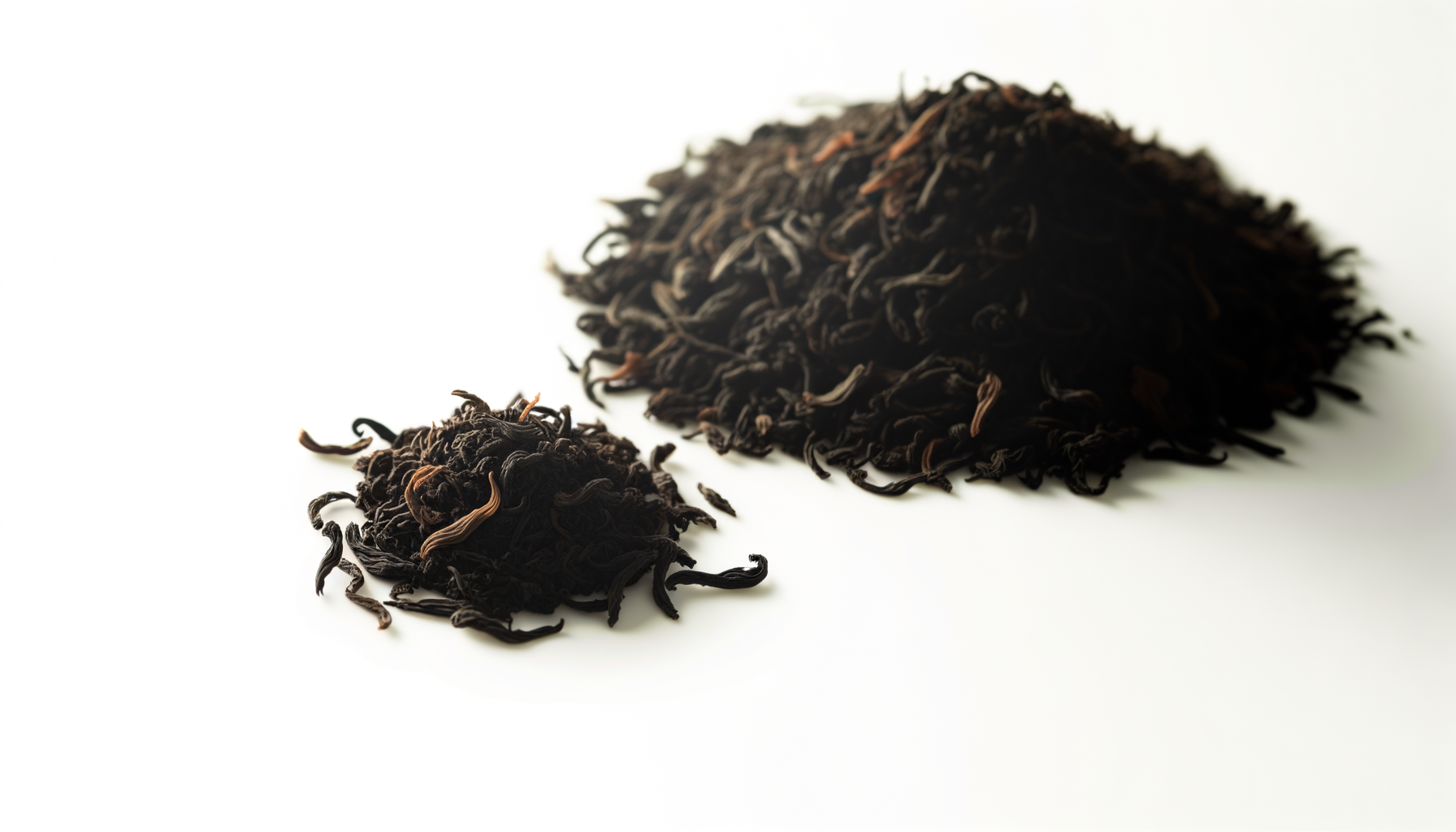
Black Tea
Camellia sinensis
Sensory Profile
Tastes
Basic flavor profiles
Aromas
Scent characteristics
Stimuli
Sensory sensations
Textures
Physical properties
About Black Tea
Black tea is renowned for its robust and full-bodied flavor, often characterized by malty, astringent, and sometimes slightly sweet notes. Its rich, deep color and complex taste can vary significantly based on the variety and processing methods, ranging from brisk and bold to smooth and mellow. Some black teas may exhibit hints of chocolate, caramel, or even floral undertones, making them versatile for various palates. Primarily enjoyed as a hot or iced beverage, black tea serves as a base for numerous culinary applications. It can be infused into desserts, such as cakes and ice creams, or used in savory dishes, including marinades and braises. Additionally, black tea is a key ingredient in traditional recipes like chai and is often paired with milk or lemon to enhance its flavor profile. Its versatility also extends to cocktails and culinary infusions, where it adds depth and complexity. Black tea originates from the Camellia sinensis plant, which is native to East Asia. The production of black tea began in China, where it has been cultivated for centuries, with regions like Yunnan and Fujian being particularly renowned for their high-quality varieties. Over time, black tea spread to other countries, including India, Sri Lanka, and Kenya, each developing distinct styles and flavors reflective of their unique terroirs and processing techniques.
Associated health effects(63)
- Polyphenol Antioxidant Activity
- Blood Pressure Support
- Coronary heart disease risk reduction
- Insomnia
- Black Tea-Induced Triglyceride Reduction
- Parkinson disease risk reduction
- Cancer Mortality Risk Reduction
- Drug Interactions
- Cardiovascular Protection
- Antioxidant
- Cardiovascular Health
- Acidity-Induced Gastric Irritation
- Stroke Prevention
- Tannin-Induced Mineral Absorption Inhibition
- Blood Pressure Reduction
- Iron Absorption Inhibition
- Oxidative Stress Reduction via Theaflavins and Thearubigins
- Alpha-amylase Inhibition
- Cancer-Preventive
- Lipid Profile Improvement
- Liver Support
- Blood Cholesterol Reduction
- Jitteriness
- Cytotoxic Activity Against Cancer Cell Lines
- Blood Sugar Support
- Stroke Risk Reduction
- Black Tea Polyphenol-Mediated Endothelial Function Enhancement
- Cognitive Performance Enhancement
- Caffeine-Related Issues
- Antidiabetic Activity
- Blood Sugar Regulation
- Endothelial Function Enhancement
- Dental Plaque Inhibition
- Caffeine-L-theanine Cognitive Enhancement
- Black Tea Polyphenol-Mediated LDL Cholesterol Reduction
- Atherosclerosis Prevention
- Digestive Irritation
- Mental Clarity Enhancement
- Cholesterol Absorption Inhibition
- Bone Health
- Theaflavin-Mediated Chemoprotection
- Cognitive Function Enhancement
- Blood Pressure Elevation
- Blood Lipid Profile Improvement
- Cholesterol Management
- All-Cause Mortality Reduction
- Stress Relief
- Theaflavin-Mediated Endothelial Function Enhancement
- Alpha-glucosidase Inhibition
- Black Tea Polyphenol-Mediated Cognitive Function Enhancement
- Weight Management
- LDL Cholesterol Reduction
- Osteoporosis Prevention
- Neuroprotection
- Parkinson's disease risk reduction
- Digestive Aid
- Cholesterol Improvement
- Theaflavin-Mediated Cholesterol Absorption Inhibition
- Anticancer Potential
- Anti-inflammatory
- Black Tea Polyphenol-Mediated Stroke Risk Reduction
- Blood Glucose Regulation
- Cognitive Support
Nutrition per 100 g(4)
- Energy: 1 kcal
- Protein: 0.1 g
- Fat: 0.2 g
- Fiber: 0 g