
Black Truffle Sensory Map
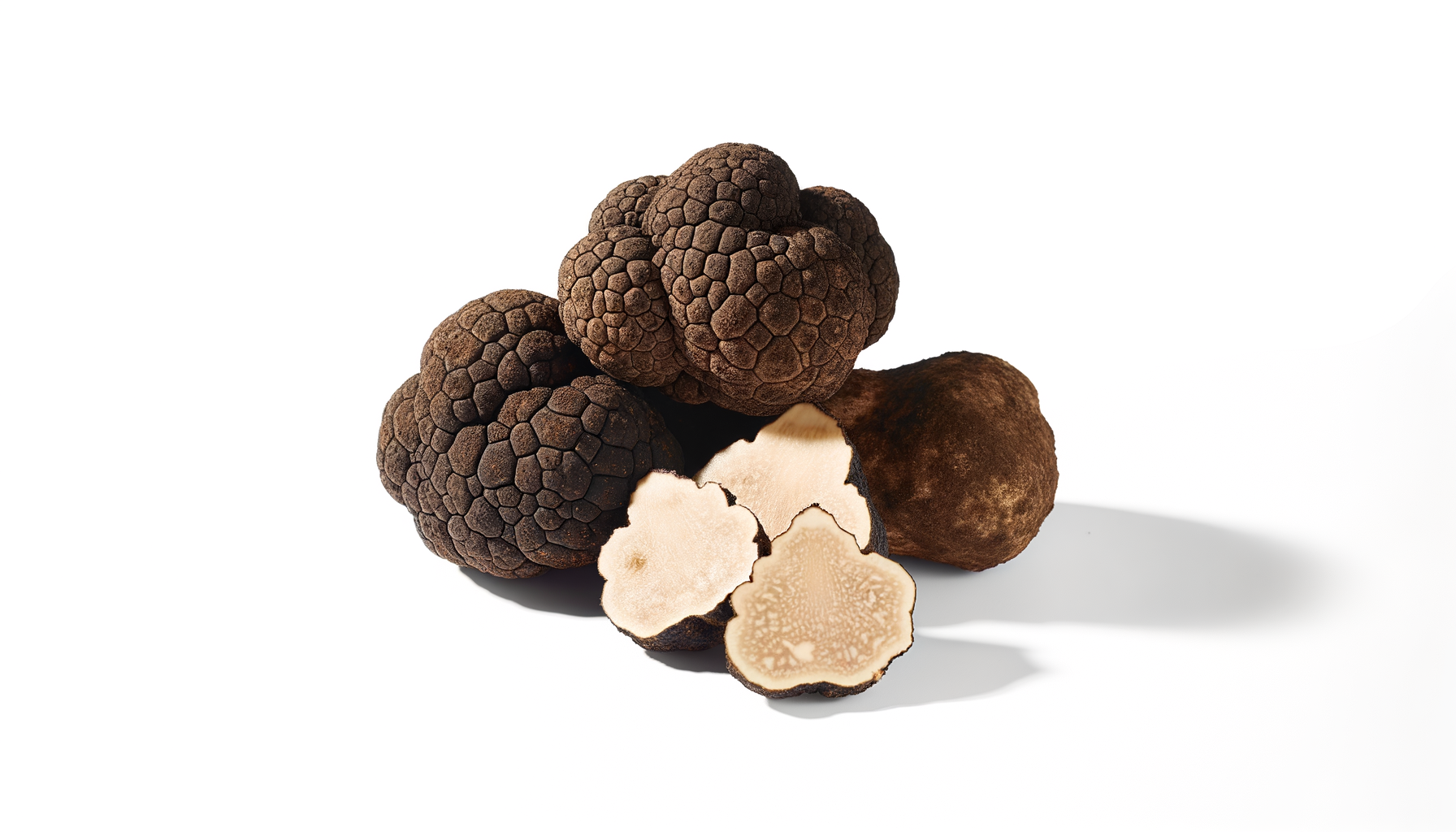
Black Truffle
Tuber melanosporum
Sensory Profile
Tastes
Basic flavor profiles
Aromas
Scent characteristics
Stimuli
Sensory sensations
Textures
Physical properties
About Black Truffle
The black truffle, or Tuber melanosporum, is renowned for its complex and earthy flavor, often described as musky, nutty, and slightly garlicky. Its aroma is intensely aromatic, with a unique blend of woodsy and savory notes that can elevate a dish from ordinary to extraordinary. The flavor is most pronounced when the truffle is freshly shaved or grated, allowing its aromatic compounds to infuse into the surrounding ingredients. Truffles are a luxurious addition to a variety of dishes. They are commonly used in fine dining to enhance pasta, risottos, and creamy sauces. Shaved truffles can be used as a finishing touch on dishes like scrambled eggs, pizzas, and salads. Truffle oil, infused with the essence of truffles, is often drizzled over dishes for added flavor. Additionally, truffles can be incorporated into butters, cheeses, and charcuterie for a gourmet twist. The black truffle is primarily found in the Mediterranean regions, particularly in France, where it is often harvested in the Périgord region. It thrives in calcareous soils and is typically found in symbiotic association with the roots of specific trees, such as oak and hazelnut. The harvesting of truffles is traditionally done using trained dogs or pigs, which can detect the truffle's distinctive aroma underground.
Associated health effects(9)
- Antioxidant
- Allergic Reactions
- Nutritional Advantages
- Foodborne Illness Risk
- Cholesterol Management
- Anti-fatigue and Improved Physical Performance
- Antibacterial
- Anticancer Potential
- Anti-inflammatory
Nutrition per 100 g(4)
- Energy: 38 kcal
- Protein: 2 g
- Fat: 0.5 g
- Fiber: 3 g