
Blackberry Sensory Map
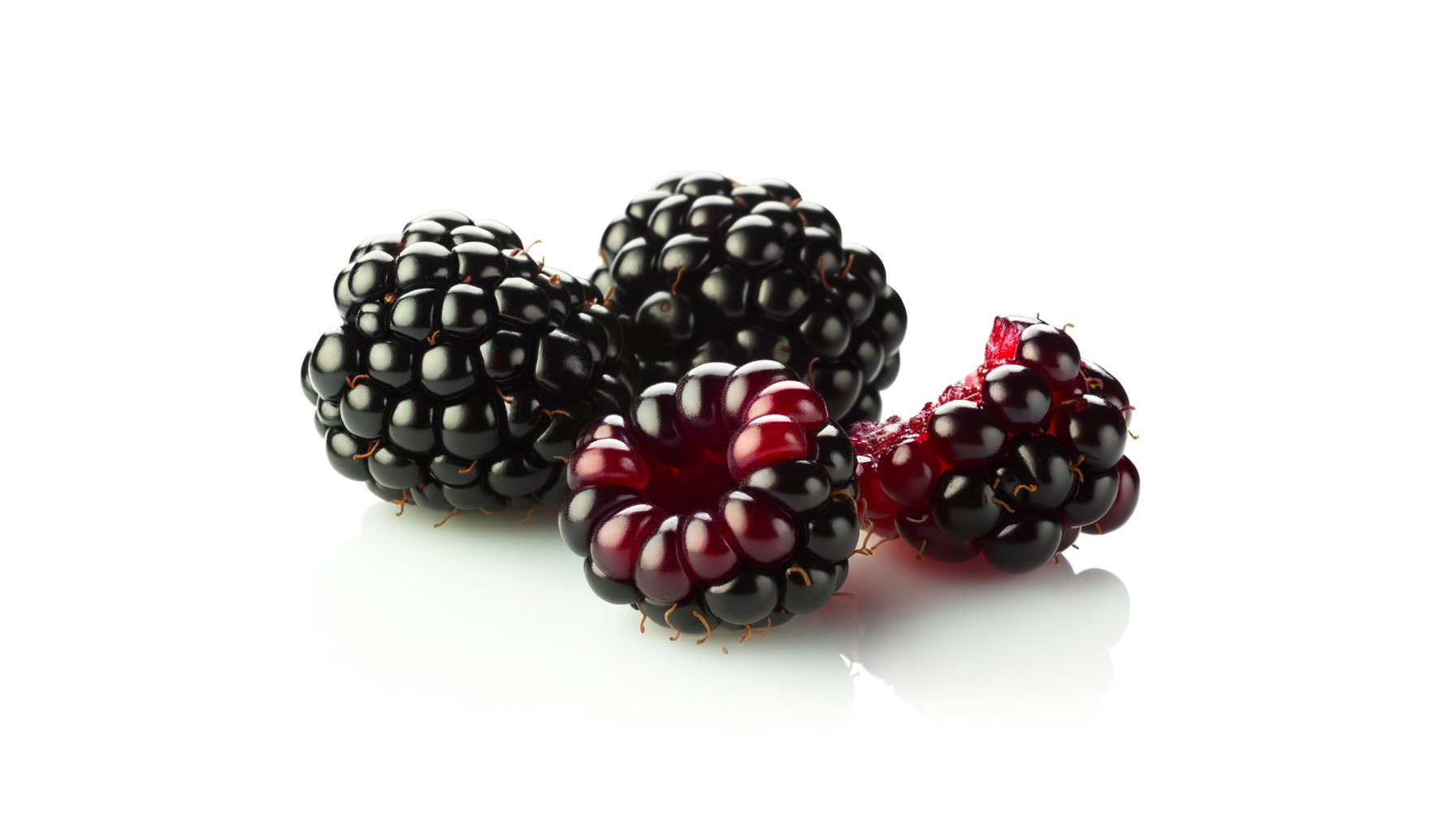
Blackberry
Rubus allegheniensis
Sensory Profile
Tastes
Basic flavor profiles
Aromas
Scent characteristics
Stimuli
Sensory sensations
Textures
Physical properties
About Blackberry
Blackberries are renowned for their rich, sweet-tart flavor, characterized by a deep, juicy sweetness balanced by a subtle acidity. The berries possess a complex taste with hints of floral notes and a slight earthiness, making them a versatile ingredient in both sweet and savory dishes. Blackberries are commonly used in a variety of culinary applications. They shine in desserts such as pies, tarts, and crumbles, where their natural sweetness can be highlighted. Additionally, they are excellent in jams, jellies, and sauces. In savory dishes, blackberries can be incorporated into salads, paired with meats like duck or pork, or used to create vibrant sauces. Their juice can also be utilized in cocktails, smoothies, and marinades, adding a unique flavor dimension. Blackberries are native to North America and parts of Europe, thriving in temperate climates. The Rubus genus encompasses a wide variety of species, with Rubus allegheniensis being one of the most common in the eastern United States. Historically, they have been foraged by indigenous peoples and later cultivated by settlers for their delicious fruit. Blackberries are easily recognizable by their deep purple to black color and their aggregate structure, consisting of numerous small drupelets. They are typically harvested in late summer to early fall when fully ripe.
Associated health effects(38)
- Satiety Enhancement
- Micronutrient Density
- Drug Interactions
- Cardiovascular Protection
- Antioxidant
- Cardiovascular Health
- Anthocyanin Support
- Blood Pressure Reduction
- Gut Microbiota Modulation
- Wound Healing
- Cancer-Preventive
- Blood Cholesterol Reduction
- Blood Sugar Support
- Vitamin K Source
- Immune Booster
- LDL Oxidation Reduction
- No Evidence of Toxicity, Heavy Metals, or Contaminants
- Dietary Fiber
- Skin Health
- Allergic Reaction Risk
- Cholesterol Absorption Inhibition
- Vitamin K Content Support
- Bone Health
- Cognitive Function Enhancement
- Antioxidant Polyphenol Provision
- Brain Health
- Antioxidant Immunity Support
- Manganese
- Weight Management
- LDL Cholesterol Reduction
- Antibacterial
- Immune Function
- Low Glycemic Impact
- Neuroprotection
- Digestive Health
- Anticancer Potential
- Ellagitannin Antioxidant Activity
- Anti-inflammatory
Nutrition per 100 g(4)
- Energy: 43 kcal
- Protein: 1.4 g
- Fat: 0.5 g
- Fiber: 5.3 g