
Blackcurrant Sensory Map
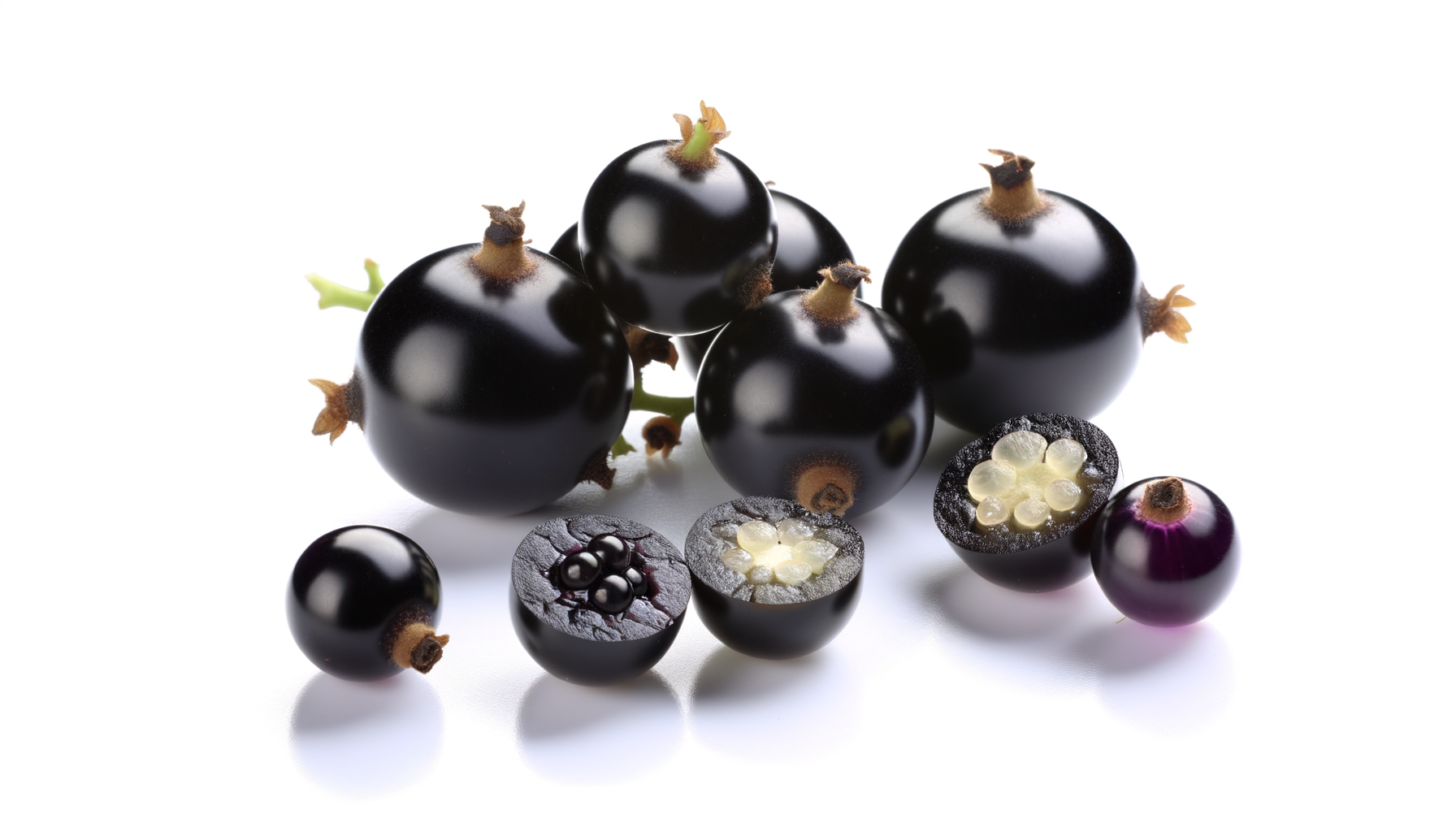
Blackcurrant
Ribes nigrum
Sensory Profile
Tastes
Basic flavor profiles
Aromas
Scent characteristics
Stimuli
Sensory sensations
Textures
Physical properties
About Blackcurrant
Blackcurrant is renowned for its bold, tart flavor, characterized by a deep, fruity sweetness balanced with a sharp acidity. The taste is often described as rich and complex, with notes of dark berries, hints of earthiness, and a subtle herbal undertone. This unique flavor makes it a versatile ingredient in both sweet and savory dishes. Blackcurrant is commonly used in a variety of culinary applications. It is a popular choice for making jams, jellies, and preserves due to its high pectin content, which aids in thickening. The berries are also used in desserts such as pies, tarts, and sorbets, where their tartness can enhance sweetness. In beverages, blackcurrant is a key ingredient in juices, cordials, and liqueurs like crème de cassis. Additionally, it can be incorporated into savory dishes, such as sauces for meats or as a flavoring in marinades. Native to Europe and parts of Asia, blackcurrant thrives in temperate climates. Historically, it has been cultivated since the Middle Ages, particularly in regions like the UK, where it gained popularity for its health benefits and culinary versatility. The plant prefers moist, well-drained soil and can often be found in wild hedgerows. Blackcurrant bushes are deciduous and can grow up to
Associated health effects(46)
- Vitamin C Source
- Blood Pressure Support
- Exercise Recovery Support
- Insulin Sensitivity Enhancement
- Micronutrient Density
- Anti-arthritic
- Bone Resorption Inhibition via Microbiome Modulation
- Blood Thinning Risk
- Cardiovascular Protection
- Antioxidant
- Immunomodulatory Activity
- Allergic Reactions
- Cardiovascular Health
- Dose-Dependent Effects
- Bone Resorption Inhibition
- Anthocyanin Support
- Blood Pressure Reduction
- Anthocyanin-Mediated Muscle Oxygenation Enhancement
- Nutritional Advantages
- Anthocyanin-Mediated Colonic Barrier Support
- Blood Cholesterol Reduction
- Bone Resorption Inhibition via Inflammatory Marker Reduction
- Free Radical Scavenger
- Blood Sugar Regulation
- Anthocyanin-Mediated Gut Microbiota Modulation
- Immune Booster
- Chronic Disease Prevention
- Polyphenol-Mediated Antioxidant Activity
- Vision Protection
- Digestive Irritation
- Anti-obesity Activity
- Dietary Fiber
- Skin Health
- Bone Health
- Cholesterol Management
- Antiscorbutic Activity
- Manganese
- Weight Management
- Anti-fatigue and Improved Physical Performance
- LDL Cholesterol Reduction
- GLA Omega-6 Fatty Acid Support
- Triglyceride Reduction
- Eye Health
- Digestive Health
- Anticancer Potential
- Anti-inflammatory
Nutrition per 100 g(4)
- Energy: 63 kcal
- Protein: 1 g
- Fat: 0.6 g
- Fiber: 4.3 g