
Blue cheese Sensory Map
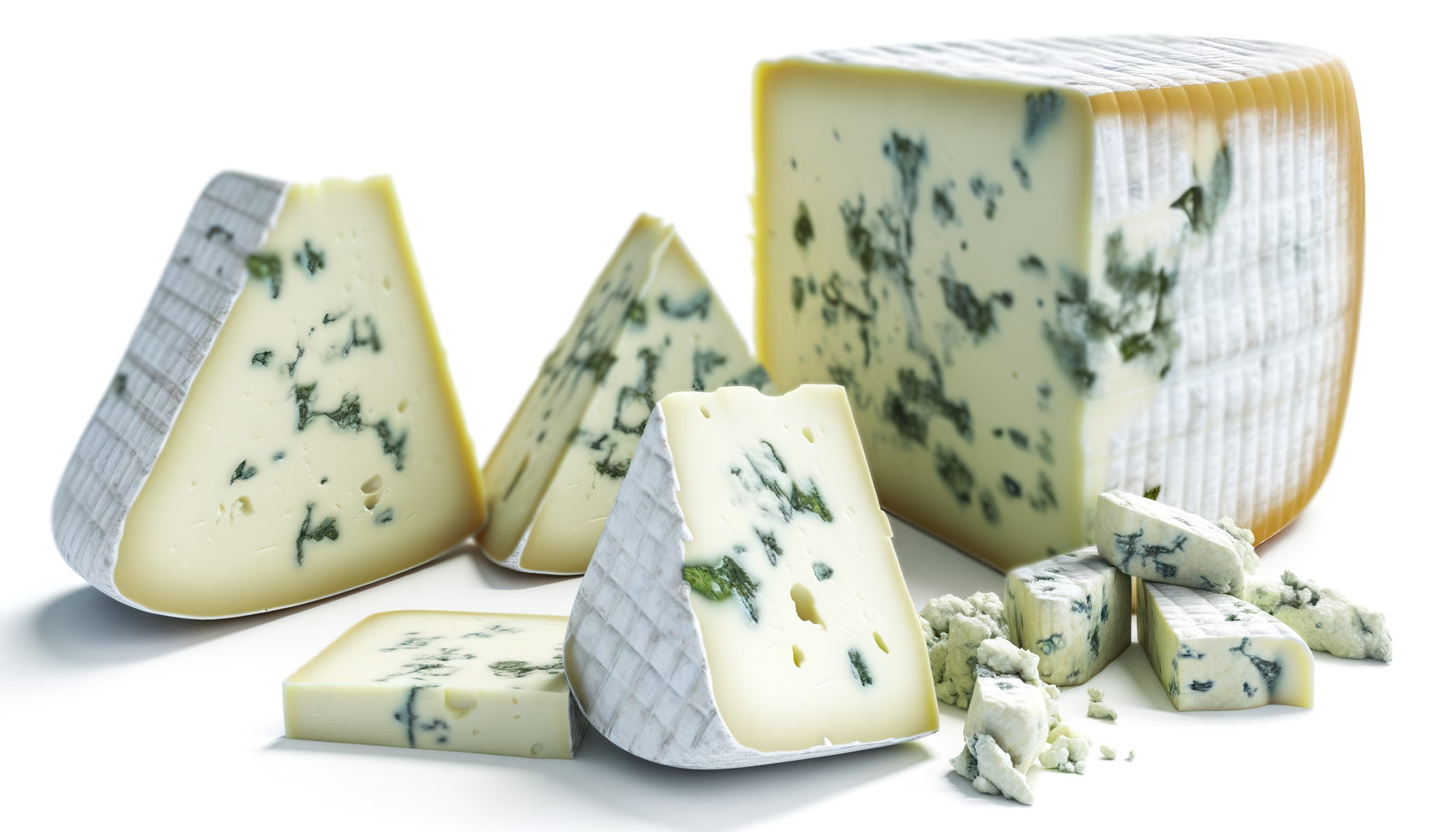
Blue cheese
Sensory Profile
Tastes
Basic flavor profiles
Aromas
Scent characteristics
Stimuli
Sensory sensations
Textures
Physical properties
About Blue cheese
Blue cheese is renowned for its bold, tangy flavor, characterized by a sharp, salty bite and a creamy texture. The distinctive blue veins, created by the mold Penicillium roqueforti, contribute to its complex profile, which can range from mildly pungent to intensely robust, depending on the aging process and specific variety. Blue cheese is a versatile ingredient in both savory and sweet applications. It is commonly crumbled over salads, particularly those featuring fruits like pears or figs, and is a classic addition to cheese boards. In cooking, it enhances sauces, dressings, and dips, providing depth to dishes such as pasta, risotto, and gourmet burgers. Additionally, it pairs well with wines, especially bold reds and sweet dessert wines. Blue cheese has a rich history, with origins tracing back to ancient civilizations in Europe. The most famous varieties, such as Roquefort from France, Gorgonzola from Italy, and Stilton from England, have been produced for centuries, each reflecting the terroir and traditional methods of their respective regions. Blue cheese is easily recognizable by its marbled blue-green veins and crumbly texture. It is often aged in caves or controlled environments to develop its unique flavor and aroma. The cheese's strong scent can be polarizing, but its umami-rich profile makes it a beloved choice among cheese enthusiasts. Its ability to enhance both
Associated health effects(27)
- Micronutrient Support
- Spermidine-Mediated Cardioprotection
- Antioxidant
- Allergic Reactions
- Saturated Fat and Cholesterol
- Headache Trigger
- Lactose Intolerance
- Andrastin Antimicrobial Activity
- Cancer-Preventive
- Sodium Content
- Biogenic Amine Sensitivity
- Probiotic Support
- Dental Plaque Inhibition
- Immune Booster
- Cytochrome P450 Inhibition
- Digestive Irritation
- Mood Enhancement
- Foodborne Illness Risk
- Bone Health
- Caloric Excess
- Cholesterol Management
- Weight Management
- Antibacterial
- Probiotic Support (Fermented Cheese)
- Sodium Overload
- Digestive Aid
- Cognitive Support
Nutrition per 100 g(4)
- Energy: 405 kcal
- Protein: 21 g
- Fat: 33 g
- Fiber: 0 g