
Blueberry Sensory Map
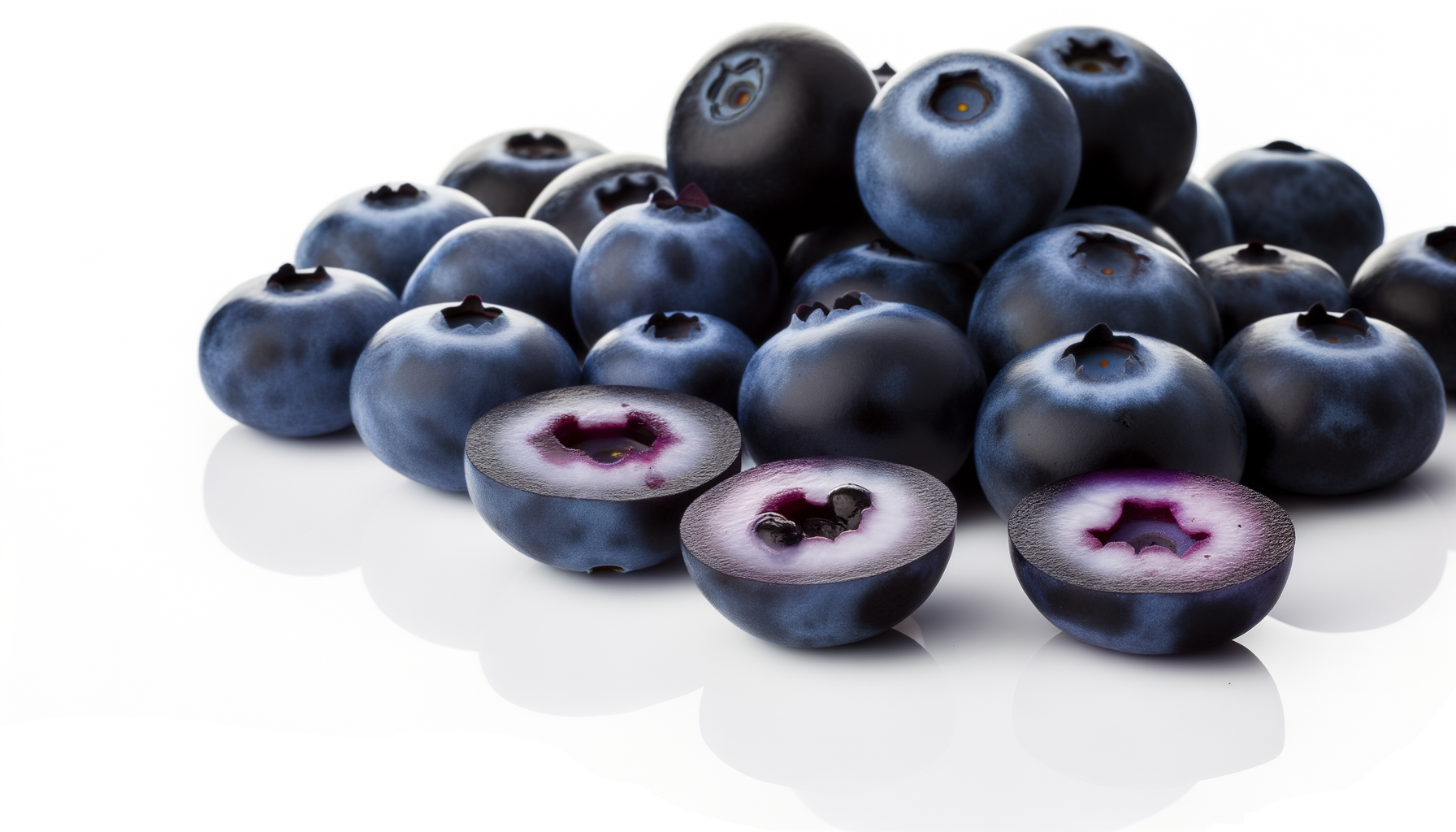
Blueberry
Vaccinium corymbosum
Sensory Profile
Tastes
Basic flavor profiles
Aromas
Scent characteristics
Stimuli
Sensory sensations
Textures
Physical properties
About Blueberry
Blueberries offer a delightful balance of sweet and tart flavors, characterized by their juicy, succulent texture. The sweetness is often accompanied by subtle floral notes and a hint of earthiness, making them versatile for both sweet and savory applications. Blueberries are widely celebrated in culinary practices, particularly in desserts such as pies, muffins, and jams. They are also popular in breakfast dishes like pancakes and smoothies. Beyond sweets, blueberries can enhance savory dishes, adding a burst of flavor to salads, sauces, and marinades. Their vibrant color and natural sweetness make them an excellent garnish for various dishes, while their nutritional profile—rich in antioxidants—adds a healthful dimension to meals. Native to North America, the highbush blueberry (Vaccinium corymbosum) thrives in acidic, well-drained soils and is cultivated extensively in the United States and Canada. The fruit has been a staple in indigenous diets for centuries and has gained global popularity due to its flavor and health benefits. Blueberries are small, round berries that range in color from deep blue to purple, often with a silvery bloom on their surface. They grow in clusters and are typically harvested in late summer. Their high antioxidant content, particularly anthocyanins, contributes to their health benefits and vibrant color. Fresh blueberries are best enjoyed raw, but they can
Associated health effects(13)
- Blood Pressure Support
- Micronutrient Support
- Exercise Recovery Support
- Antioxidant
- Allergic Reactions
- Cancer-Preventive
- Blood Sugar Support
- Prebiotic Support
- Weight Management
- Neuroprotection
- Heart Health
- Anti-inflammatory
- Cognitive Support
Nutrition per 100 g(4)
- Energy: 57 kcal
- Protein: 0.7 g
- Fat: 0.3 g
- Fiber: 2.4 g