
Bok Choy Sensory Map
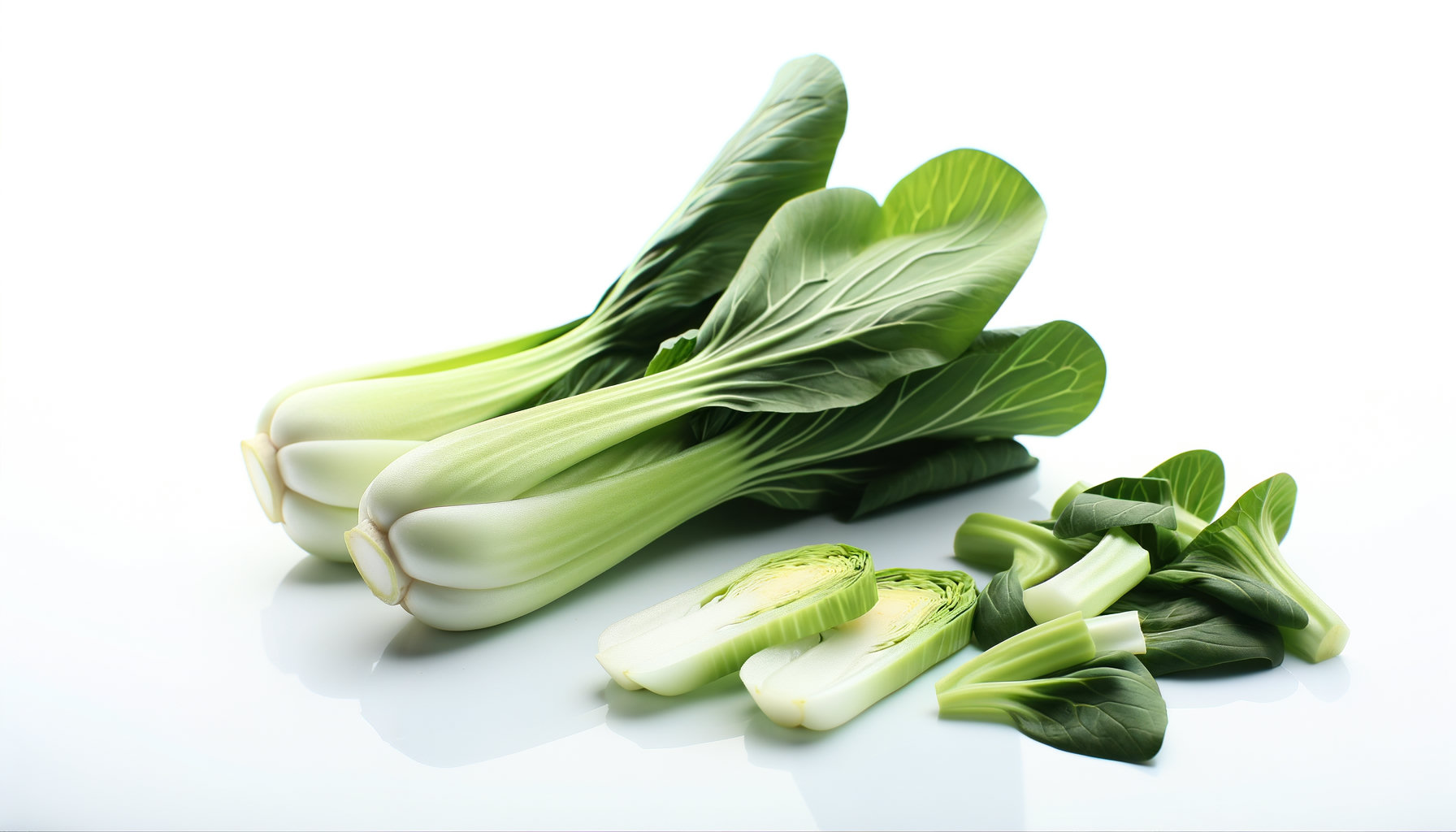
Bok Choy
Brassica rapa subsp. chinensis
Sensory Profile
Tastes
Basic flavor profiles
Aromas
Scent characteristics
Stimuli
Sensory sensations
Textures
Physical properties
About Bok Choy
Bok choy offers a mild, slightly peppery flavor with a subtle sweetness. The tender, crisp leaves have a refreshing quality, while the stalks provide a crunchy texture, making it a versatile addition to various dishes. Bok choy is a staple in Asian cuisine, particularly in Chinese dishes. It can be enjoyed raw in salads, stir-fried, steamed, or added to soups and broths. Its ability to absorb flavors makes it an excellent companion for garlic, ginger, soy sauce, and sesame oil. Bok choy pairs well with proteins such as chicken, beef, and tofu, enhancing both the nutritional value and flavor of meals. Bok choy is believed to have originated in China, where it has been cultivated for over 1,500 years. It is a member of the Brassica family, which includes other cruciferous vegetables like cabbage and broccoli. Today, bok choy is widely grown in various regions around the world, including the United States, Canada, and Europe. Bok choy is characterized by its dark green, smooth leaves and thick, white stalks. It comes in several varieties, including the common Shanghai bok choy, which has a more rounded leaf shape, and the larger, more robust Napa cabbage.
Associated health effects(19)
- Vitamin C Source
- Isothiocyanate-Mediated Anticancer Activity
- Cardiovascular Protection
- Isothiocyanate-Mediated Antioxidant Activity
- Folate Source
- Blood Sugar Support
- Vitamin K Source
- Immune Booster
- Dietary Fiber
- Skin Health
- Bone Health
- Cholesterol Management
- Anti-aging Activity
- Potassium
- Homocysteine Reduction
- Triglyceride Reduction
- Lipid Metabolism Support
- Anticancer Potential
- Anti-inflammatory
Nutrition per 100 g(4)
- Energy: 13 kcal
- Protein: 1.5 g
- Fat: 0.2 g
- Fiber: 1 g