
Borage Sensory Map
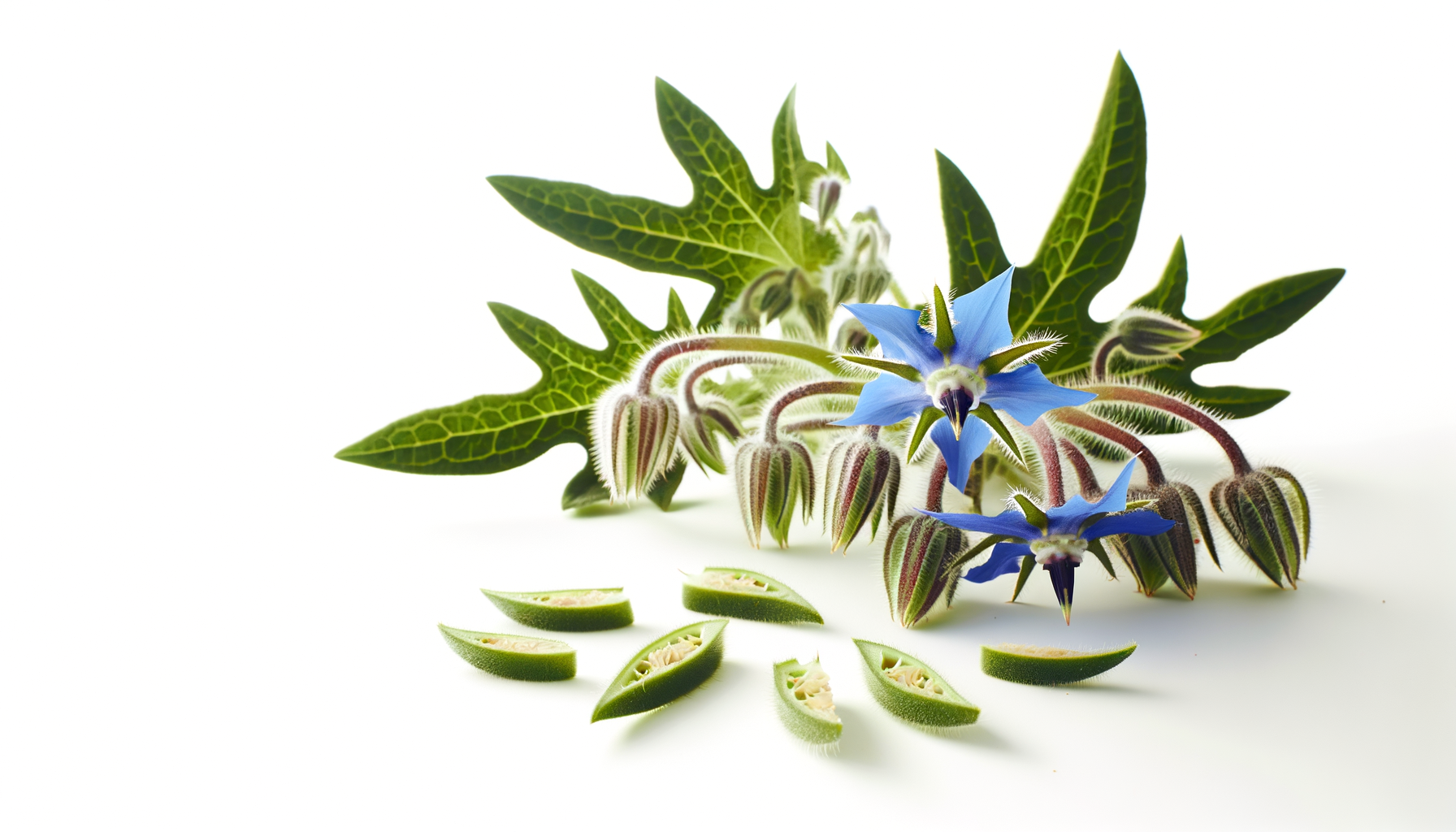
Borage
Borago officinalis
Sensory Profile
Tastes
Basic flavor profiles
Aromas
Scent characteristics
Stimuli
Sensory sensations
Textures
Physical properties
About Borage
Borage has a unique flavor that is often described as mildly cucumber-like, with a refreshing and slightly sweet undertone. The leaves and flowers possess a subtle herbaceous quality, making them a delightful addition to various dishes. Borage is versatile in the kitchen. Its fresh leaves can be used in salads, providing a crisp texture and a hint of flavor that complements greens and vegetables. The flowers, which are strikingly blue, are often used as a garnish for cocktails, desserts, and salads, adding a visual appeal as well as a mild flavor. Borage can also be infused into oils or vinegars, or used in soups and stews, where its flavor can enhance the overall dish without overpowering other ingredients. Native to the Mediterranean region, borage has been cultivated since ancient times. It was traditionally used in herbal medicine and as a culinary herb. Today, it is grown in various temperate regions around the world, thriving in well-drained soil and sunny conditions. Borage is easily recognizable by its star-shaped blue flowers and hairy, rough-textured leaves. The plant can grow up to three feet tall and is often used in ornamental gardens due to its striking appearance. Beyond its culinary uses, borage is also valued for its potential health benefits, including anti-inflammatory properties and high levels of gamma-linolenic acid.
Associated health effects(64)
- Pyrrolizidine Alkaloid Hepatotoxicity
- Insulin Sensitivity Enhancement
- Expectorant
- Teratogenicity
- Vitamin C Content Support
- Rheumatoid Arthritis Symptom Relief
- Anti-arthritic
- Drug Interactions
- Blood Thinning Risk
- Airway Inflammation Reduction
- Cardiovascular Protection
- Antioxidant
- Joint Pain Relief
- Cardiovascular Health
- Liver Toxicity and Carcinogenicity
- Wound Healing
- Liver Toxicity
- Lipid Profile Improvement
- Blood Cholesterol Reduction
- Neurological Protection via Antioxidant Pathways
- Blood Sugar Support
- Galactagogue Activity
- Hormonal Regulation
- Pyrrolizidine Alkaloid Liver Toxicity
- Blood Sugar Regulation
- Immune Modulation
- Atherosclerosis Prevention
- Premenstrual Syndrome Symptom Relief
- PMS Symptom Relief
- Digestive Irritation
- Cough Reduction
- Iron Content Support
- Pyrrolizidine Alkaloid-Induced Liver Toxicity
- Digestive Discomfort
- Skin Health and Wound Healing
- Pyrrolizidine Alkaloid-Induced Hepatotoxicity
- Skin Health
- Allergic Reaction Risk
- Asthma Relief
- Bone Health
- Pyrrolizidine Alkaloid Exposure
- Gastrointestinal Discomfort
- Cholesterol Management
- Joint Health
- Potassium Content Support
- Manganese
- Teratogenicity and Birth Defect Risk
- Diuretic Activity via Organic Acids
- Seizures
- Hepatotoxic Pyrrolizidine Alkaloid Exposure
- LDL Cholesterol Reduction
- GLA Omega-6 Fatty Acid Support
- PPARγ Activation
- Antibacterial
- Bleeding Risk
- Digestive Mucosal Soothing
- Mucilage-Mediated Respiratory Expectorant Activity
- Neuroprotection
- Veno-occlusive Disease Risk
- GLA Omega-6 Fatty Acid Skin Barrier Support
- Digestive Aid
- Respiratory Support
- Anti-inflammatory
- Seizure Risk
Nutrition per 100 g(4)
- Energy: 38 kcal
- Protein: 2 g
- Fat: 2 g
- Fiber: 2 g