
Breadfruit Sensory Map
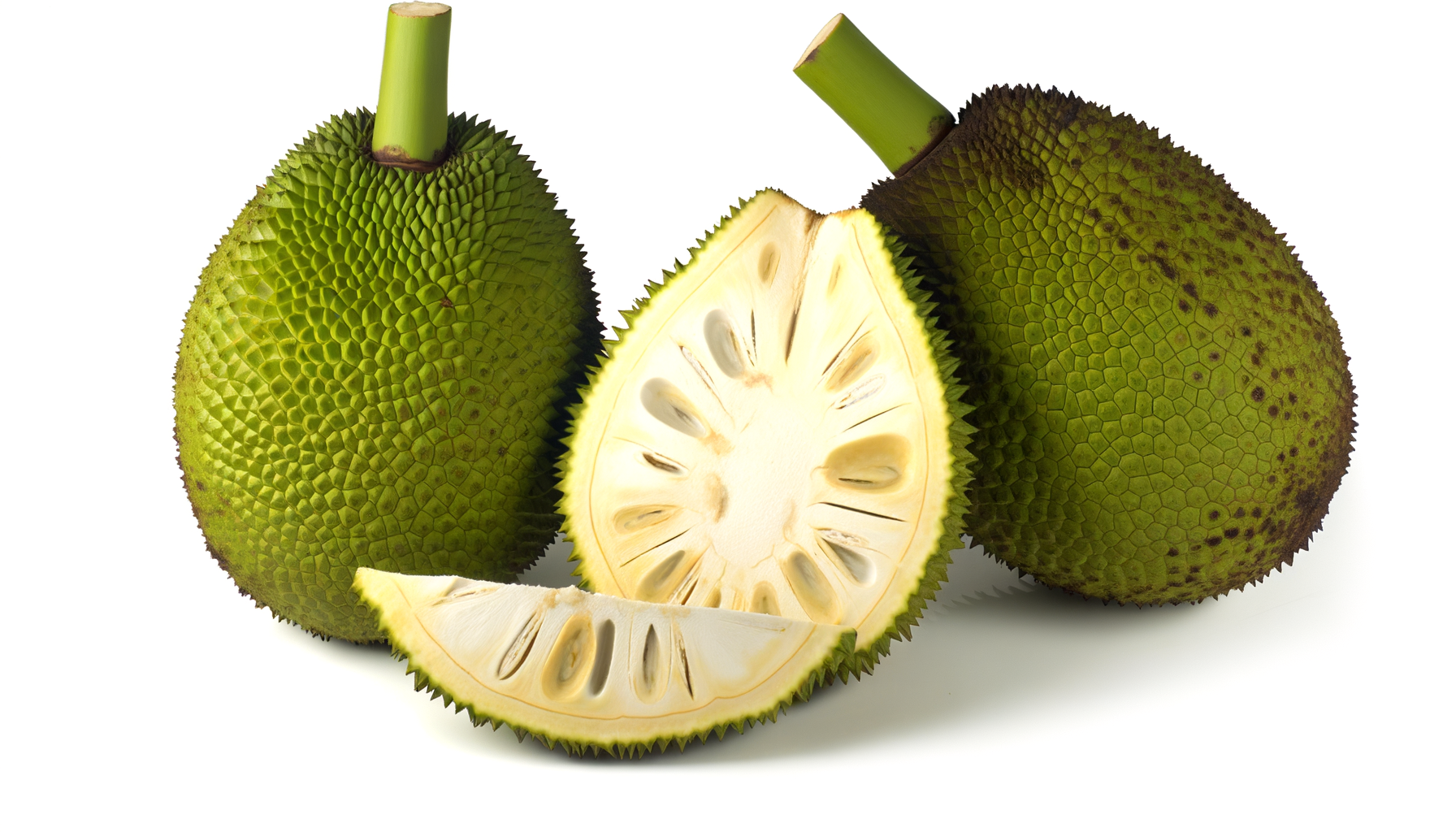
Breadfruit
Artocarpus altilis
Sensory Profile
Tastes
Basic flavor profiles
Aromas
Scent characteristics
Stimuli
Sensory sensations
Textures
Physical properties
About Breadfruit
Breadfruit has a mild, starchy flavor reminiscent of freshly baked bread or potatoes, with a subtly sweet undertone when ripe. Its texture is similar to that of a potato or a dense, fibrous squash, making it versatile in various culinary applications. This tropical fruit is often used as a staple food in many Pacific Island cuisines. It can be prepared in numerous ways: roasted, boiled, baked, or fried. When unripe, breadfruit is typically treated like a vegetable, making it ideal for savory dishes, stews, and curries. When ripe, it can be used in desserts, smoothies, or simply enjoyed fresh. Its ability to absorb flavors makes it an excellent base for spices and sauces. Breadfruit is native to the Indo-Malay region and has been cultivated for thousands of years across the tropical regions of the world, particularly in the Pacific Islands, the Caribbean, and parts of Southeast Asia. It was introduced to the Caribbean by Captain William Bligh in the late 18th century during his famous voyage aboard the HMS Bounty. **Distinctive Characteristics:** Breadfruit is characterized by its large, spiky exterior and a greenish-yellow flesh that turns creamy and soft when cooked. It grows on large trees that can reach heights of up to 85 feet. The fruit is not only valued for its culinary uses but
Associated health effects(59)
- Blood Pressure Support
- Butyrate Production Enhancement
- Micronutrient Support
- Diet Quality Improvement
- Micronutrient Density
- Colonic Transit Enhancement
- Constipation Relief
- Beta-Carotene-Mediated Vitamin A Support
- Cardiovascular Protection
- Antioxidant
- Allergic Reactions
- Cardiovascular Health
- Blood Pressure Reduction
- Sustained Energy and Stamina
- Nutritional Advantages
- Pain Relief
- Gluten-Free Suitability
- Blood Sugar Support
- Low Caloric Density
- Vitamin A Support
- Blood Sugar Regulation
- Amino Acid Quality Support
- Immune Booster
- Pregnancy and Growth Support
- Malnutrition Prevention
- Digestive Irritation
- Iron Content Support
- No Evidence of Toxicity, Heavy Metals, or Contaminants
- Thiamin
- Dietary Fiber
- Food Security Support
- Bone Health
- Lower Glycemic Impact
- Prebiotic Support
- Cholesterol Management
- Phosphorus
- Antiscorbutic Activity
- Gluten-Free Nature
- Protein Content
- Niacin
- Glycemic Index Modulation via Trace Nutrients
- Weight Management
- B Vitamin Nervous System Support
- LDL Cholesterol Reduction
- Complex Carbohydrate Content
- Antibacterial
- Potassium
- Fiber Content
- Complete Protein Support
- Heart Health
- Resistant Starch Support
- Magnesium
- Eye Health
- Lipid Metabolism Support
- Digestive Aid
- Vitamin A Source
- Digestive Health
- Anti-inflammatory
- Resistant Starch Prebiotic Support
Nutrition per 100 g(4)
- Energy: 113 kcal
- Protein: 1.1 g
- Fat: 0.5 g
- Fiber: 4.9 g