
Broccoli Sensory Map
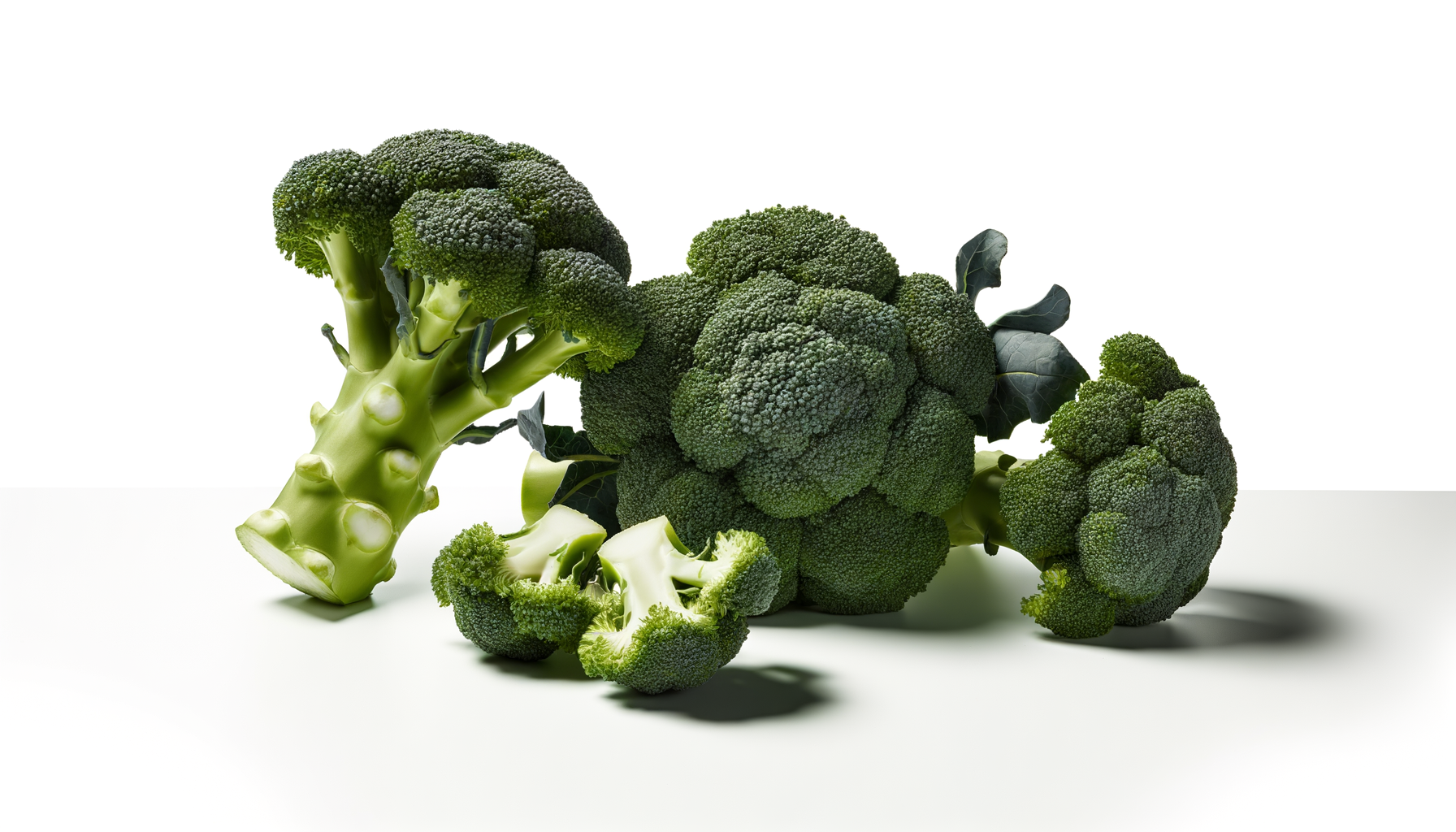
Broccoli
Brassica oleracea var. italica
Sensory Profile
Tastes
Basic flavor profiles
Aromas
Scent characteristics
Stimuli
Sensory sensations
Textures
Physical properties
About Broccoli
Broccoli offers a unique flavor that is both earthy and slightly bitter, with a subtle sweetness when cooked. Its florets have a tender yet crisp texture, while the stalks provide a satisfying crunch. The flavor becomes milder and more pronounced when steamed or roasted, allowing for a versatile range in culinary applications. Broccoli is a versatile vegetable that can be enjoyed raw in salads, lightly steamed, sautéed, roasted, or incorporated into stir-fries. It pairs well with garlic, lemon, cheese, and various spices, making it a staple in both vegetarian and meat-based dishes. Additionally, it can be blended into soups, purees, or used as a nutritious addition to pasta and grain dishes. Native to the Mediterranean region, broccoli is believed to have been cultivated from wild cabbage in Italy during the Roman Empire. It gained popularity in Europe during the 16th century and was introduced to the United States by Italian immigrants in the 18th century. Today, it is widely grown in temperate climates around the world. Broccoli is characterized by its dense clusters of green florets atop a thick, edible stalk. It is a member of the Brassicaceae family, which includes other cruciferous vegetables like cabbage, cauliflower, and Brussels sprouts. Rich in vitamins C and K, fiber, and antioxidants, broccoli is
Associated health effects(15)
- Antioxidant
- Allergic Reactions
- Cancer-Preventive
- Blood Sugar Support
- Immune Booster
- Digestive Irritation
- Bone Health
- Cholesterol Management
- Nutrient Interference
- Weight Management
- Neuroprotection
- Heart Health
- Digestive Aid
- Anti-inflammatory
- Thyroid Function Interference
Nutrition per 100 g(4)
- Energy: 34 kcal
- Protein: 2.8 g
- Fat: 0.4 g
- Fiber: 2.6 g