
Brussels Sprouts Sensory Map
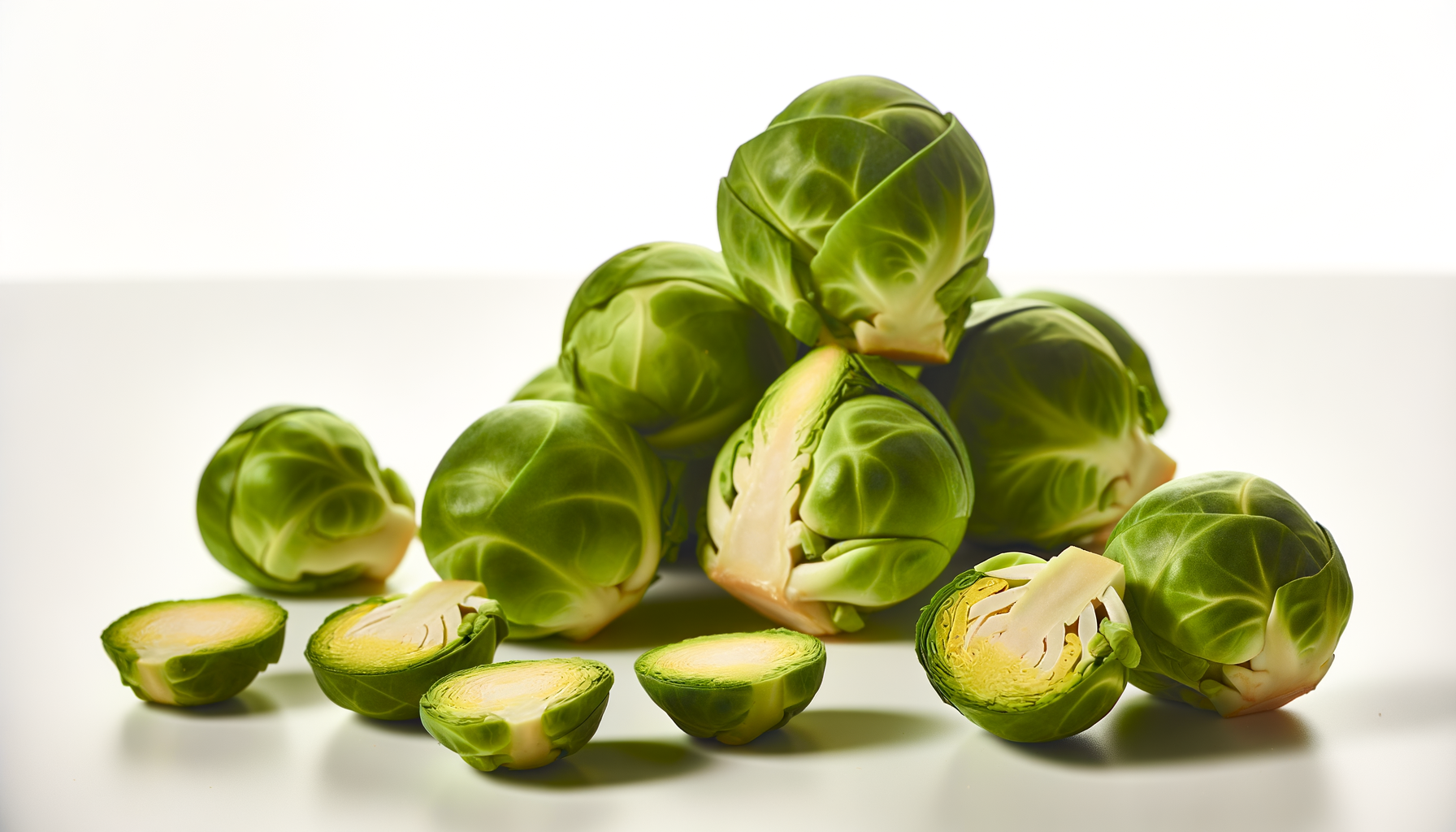
Brussels Sprouts
Brassica oleracea var. gemmifera
Sensory Profile
Tastes
Basic flavor profiles
Aromas
Scent characteristics
Stimuli
Sensory sensations
Textures
Physical properties
About Brussels Sprouts
Brussels sprouts possess a unique, slightly bitter flavor with a nutty undertone, which becomes sweeter and more complex when roasted or caramelized. Their texture is firm yet tender when cooked properly, offering a satisfying crunch that contrasts beautifully with their rich, earthy taste. These miniature cabbages are versatile in the kitchen. They can be steamed, roasted, sautéed, or even grilled, making them suitable for a variety of dishes. Often featured in seasonal recipes, Brussels sprouts pair well with ingredients like bacon, garlic, balsamic vinegar, and nuts. They can be served as a side dish, incorporated into salads, or blended into pasta and grain bowls for added nutrition and flavor. Brussels sprouts are believed to have originated in the Mediterranean region, with their cultivation dating back to ancient Rome. They were later popularized in Belgium, particularly around the city of Brussels, from which they derive their name. Today, they are widely grown in temperate climates around the world, with significant production in the United States, the Netherlands, and the United Kingdom. Brussels sprouts grow on tall stalks, producing small, round buds that resemble miniature cabbages. They are typically harvested in the cooler months, as frost enhances their sweetness. Rich in vitamins C and K, fiber, and antioxidants, they are not only flavorful but
Associated health effects(57)
- Indole-3-Carbinol-Mediated Cancer Prevention
- Vitamin C Source
- Blood Pressure Support
- Isothiocyanate-Mediated Anticancer Activity
- Sulforaphane-Mediated Neuroprotection
- Satiety Enhancement
- Beta-Carotene Source
- Insulin Sensitivity Enhancement
- Micronutrient Density
- Colonic Transit Enhancement
- Drug Interactions
- Flatulence and Bloating
- Cardiovascular Protection
- Antioxidant
- Allergic Reactions
- Cardiovascular Health
- Glucosinolate-Mediated Gut Inflammation Reduction
- Goitrogenic Activity
- Short-Chain Fatty Acid Production
- Blood Pressure Reduction
- Folate Source
- Cancer-Preventive
- Glucosinolate-Mediated Colorectal Cancer Risk Reduction
- Blood Sugar Support
- Vitamin K Source
- Free Radical Scavenger
- Vitamin K Interaction
- Antidiabetic Activity
- Blood Sugar Regulation
- Goitrin-Mediated Thyroid Interference
- Immune Booster
- Atherosclerosis Prevention
- Sulfur Compound Digestive Stimulation
- Dietary Fiber
- Interaction with Medications
- Bone Health
- Sulforaphane-Mediated Detoxification Support
- Cholesterol Management
- Brain Health
- Blood Clotting
- Antioxidant Immunity Support
- Weight Management
- LDL Cholesterol Reduction
- Potassium
- Fiber Content
- Neuroprotection
- Gastrointestinal Distress
- Heart Health
- Colorectal Cancer Risk Reduction
- Eye Health
- Digestive Aid
- Glucosinolate-Mediated Detoxification Support
- Digestive Health
- Anticancer Potential
- Anti-inflammatory
- Thyroid Function Interference
- Vitamin K Interaction with Blood Thinners
Nutrition per 100 g(4)
- Energy: 43 kcal
- Protein: 3.4 g
- Fat: 0.8 g
- Fiber: 3.8 g