
Buckwheat Sensory Map
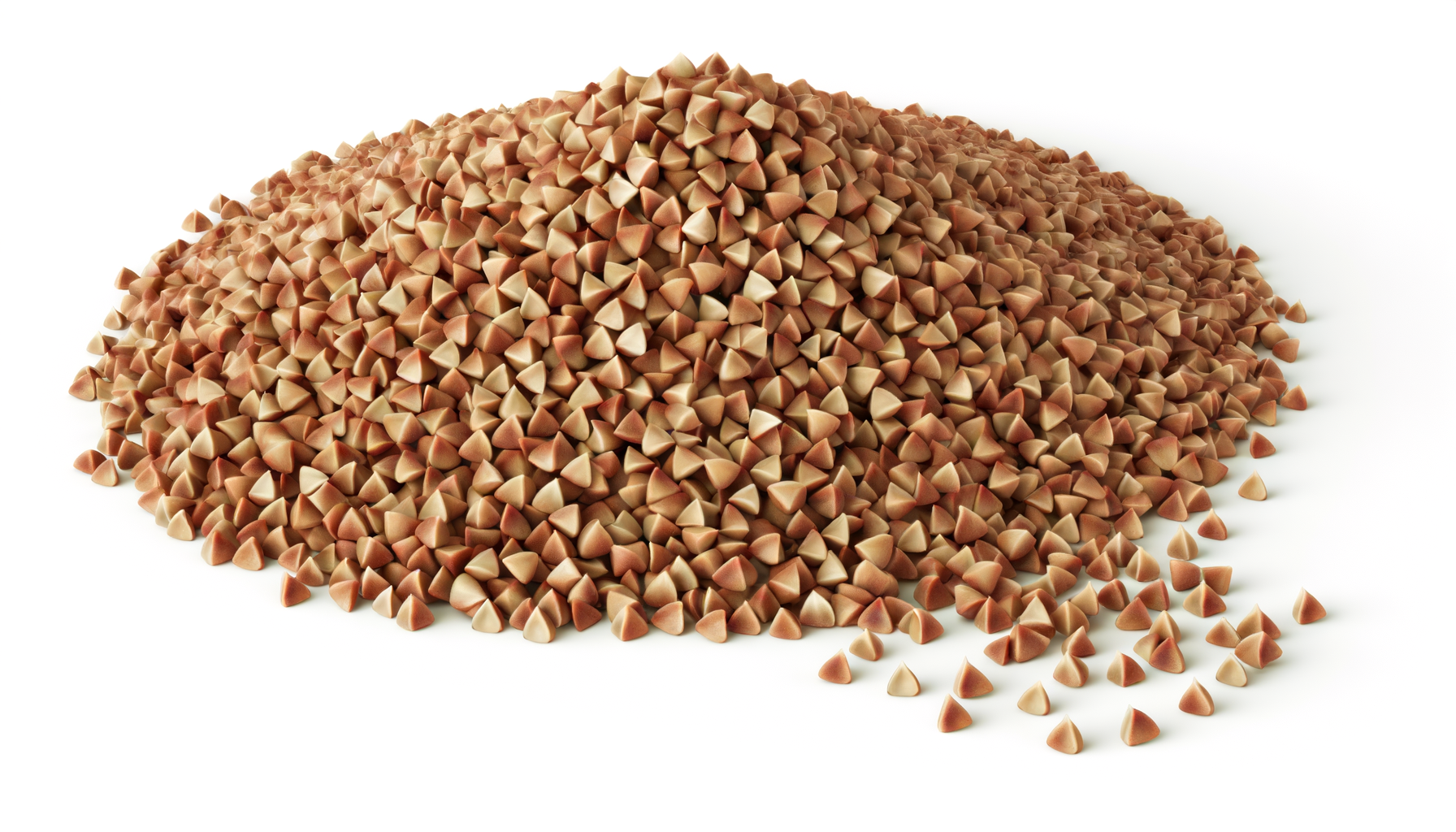
Buckwheat
Fagopyrum esculentum
Sensory Profile
Tastes
Basic flavor profiles
Aromas
Scent characteristics
Stimuli
Sensory sensations
Textures
Physical properties
About Buckwheat
Buckwheat has a unique, earthy flavor with nutty undertones and a slightly bitter finish. Its taste can be described as robust and hearty, making it a versatile ingredient in both savory and sweet dishes. Buckwheat is commonly ground into flour, which is used to make pancakes, noodles (such as soba), and various baked goods. Whole buckwheat groats can be cooked and served as a side dish, added to salads, or used as a base for grain bowls. It is also popular in porridge form, often combined with fruits and nuts for breakfast. In addition to its culinary applications, buckwheat is gluten-free, making it an excellent alternative for those with gluten sensitivities. Buckwheat is believed to have originated in Southeast Asia and has been cultivated for thousands of years. It spread to Europe and Russia, where it became a staple food, particularly in Eastern European cuisines. Today, it is grown in various regions worldwide, including the United States, Canada, and parts of Asia. Buckwheat is not a true grain but a pseudocereal, which means it is related to rhubarb and sorrel. It is rich in nutrients, including protein, fiber, and essential amino acids, making it a nutritious addition to any diet. Buckwheat is also known
Associated health effects(12)
- Antioxidant
- Allergic Reactions
- Cancer-Preventive
- Blood Sugar Support
- Prebiotic Support
- Cholesterol Management
- Protein Content
- Weight Management
- Neuroprotection
- Heart Health
- Digestive Aid
- Anti-inflammatory
Nutrition per 100 g(4)
- Energy: 343 kcal
- Protein: 13.3 g
- Fat: 3.3 g
- Fiber: 10 g